
Transport
Getting around Greece is far easier than people expect. The country runs on a mix of ferries, buses, flights, taxis, and hire cars, and most of it works smoothly despite the occasional bout of Greek chaos.
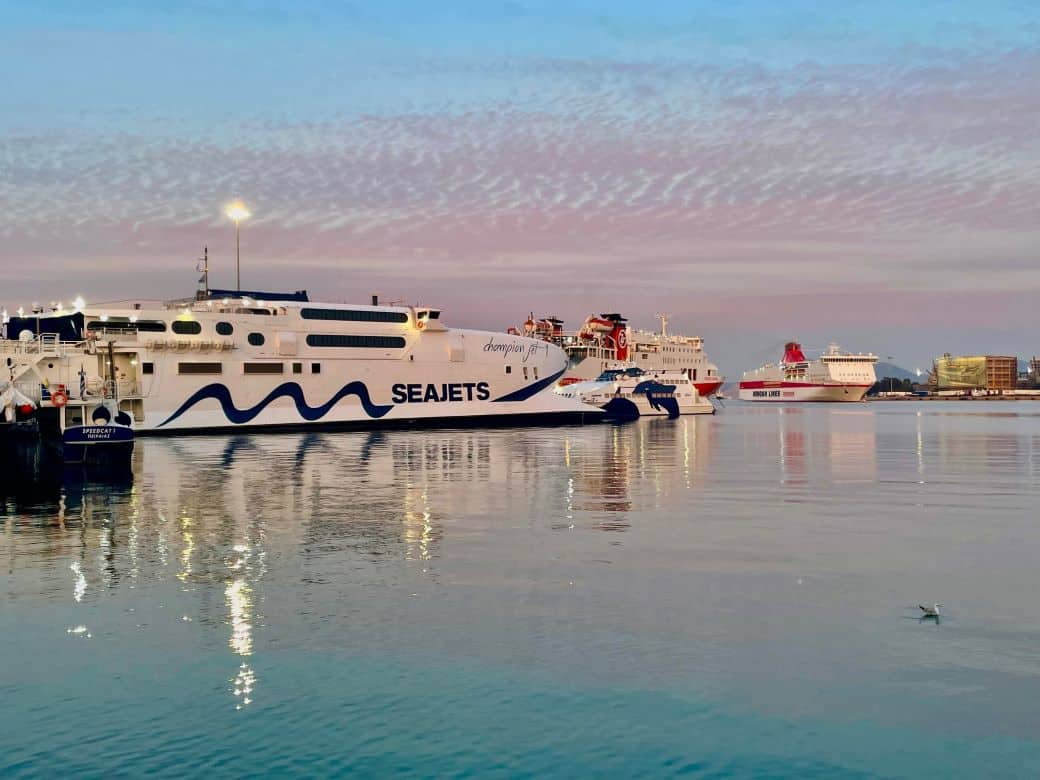
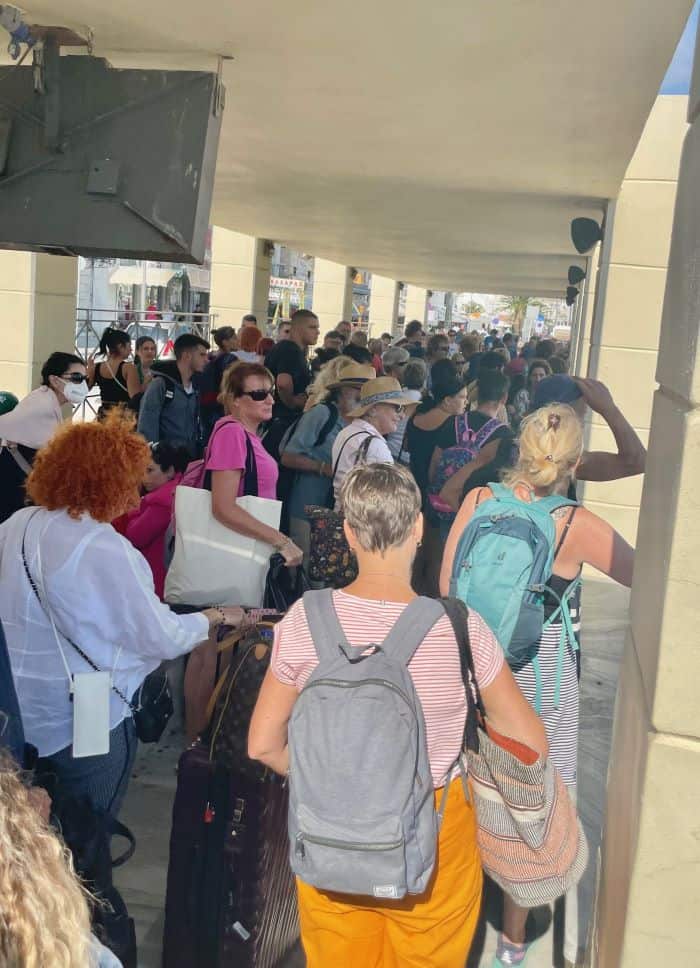
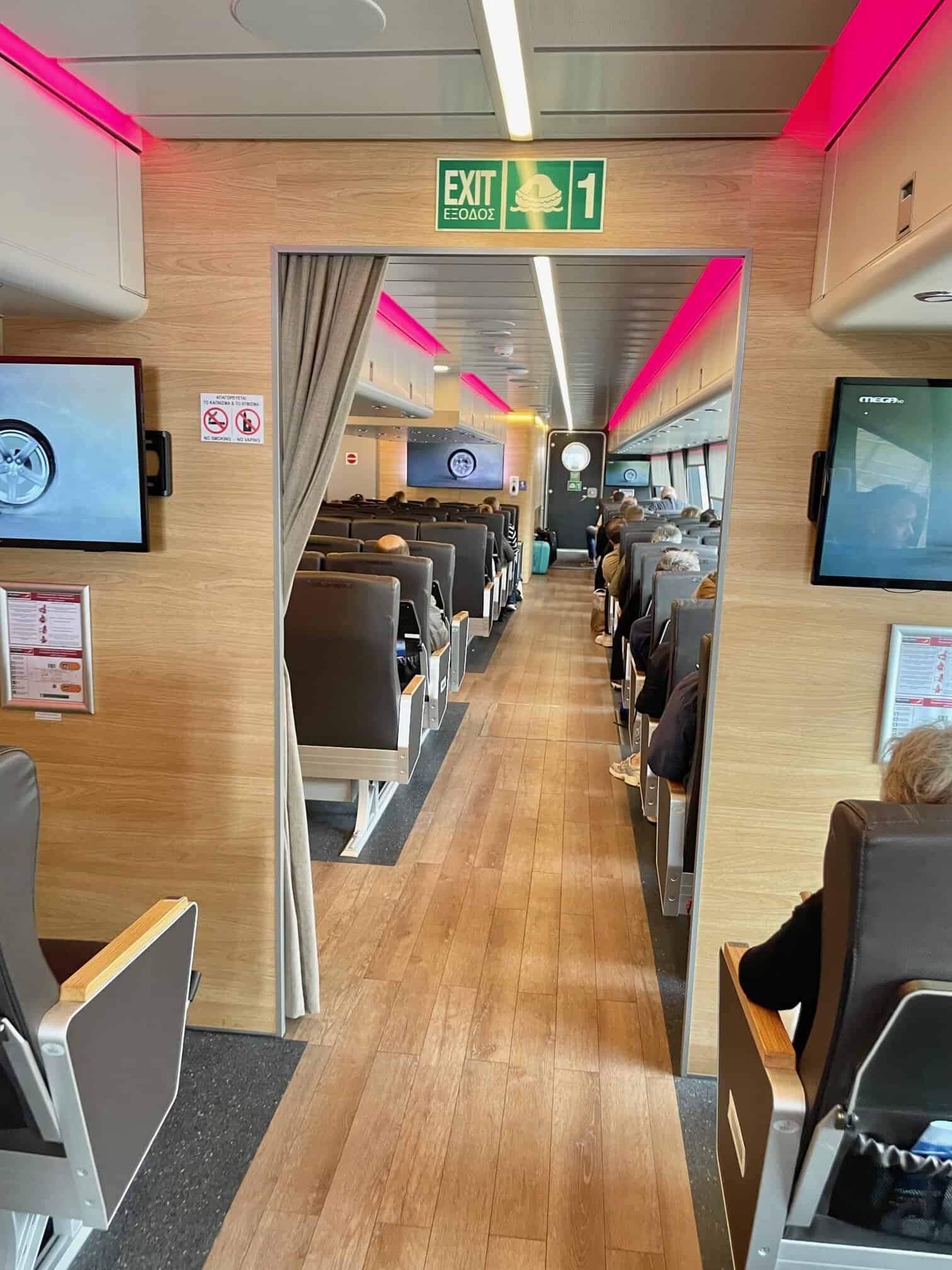
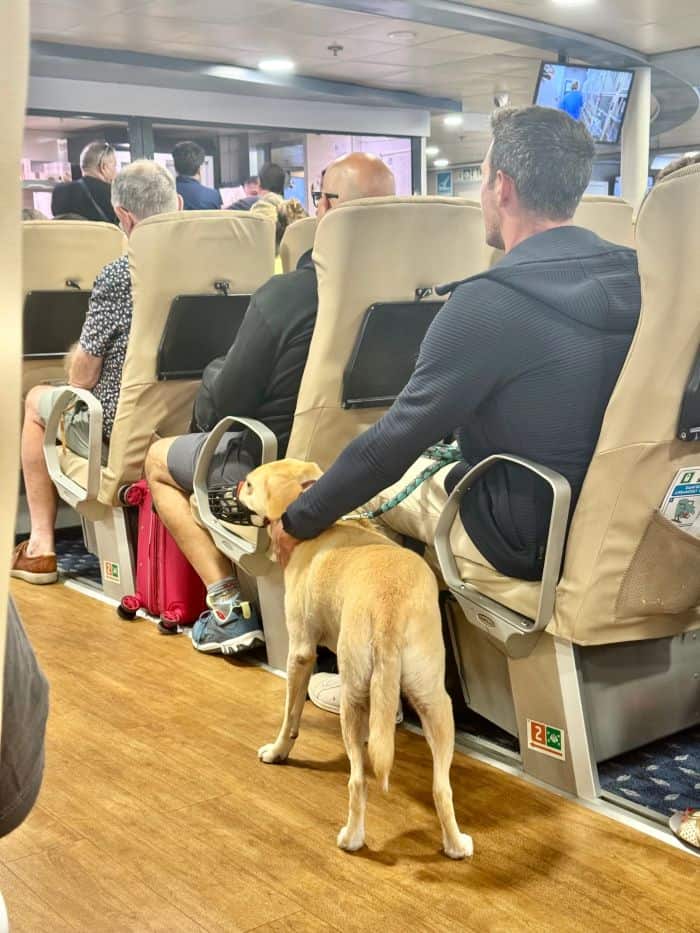
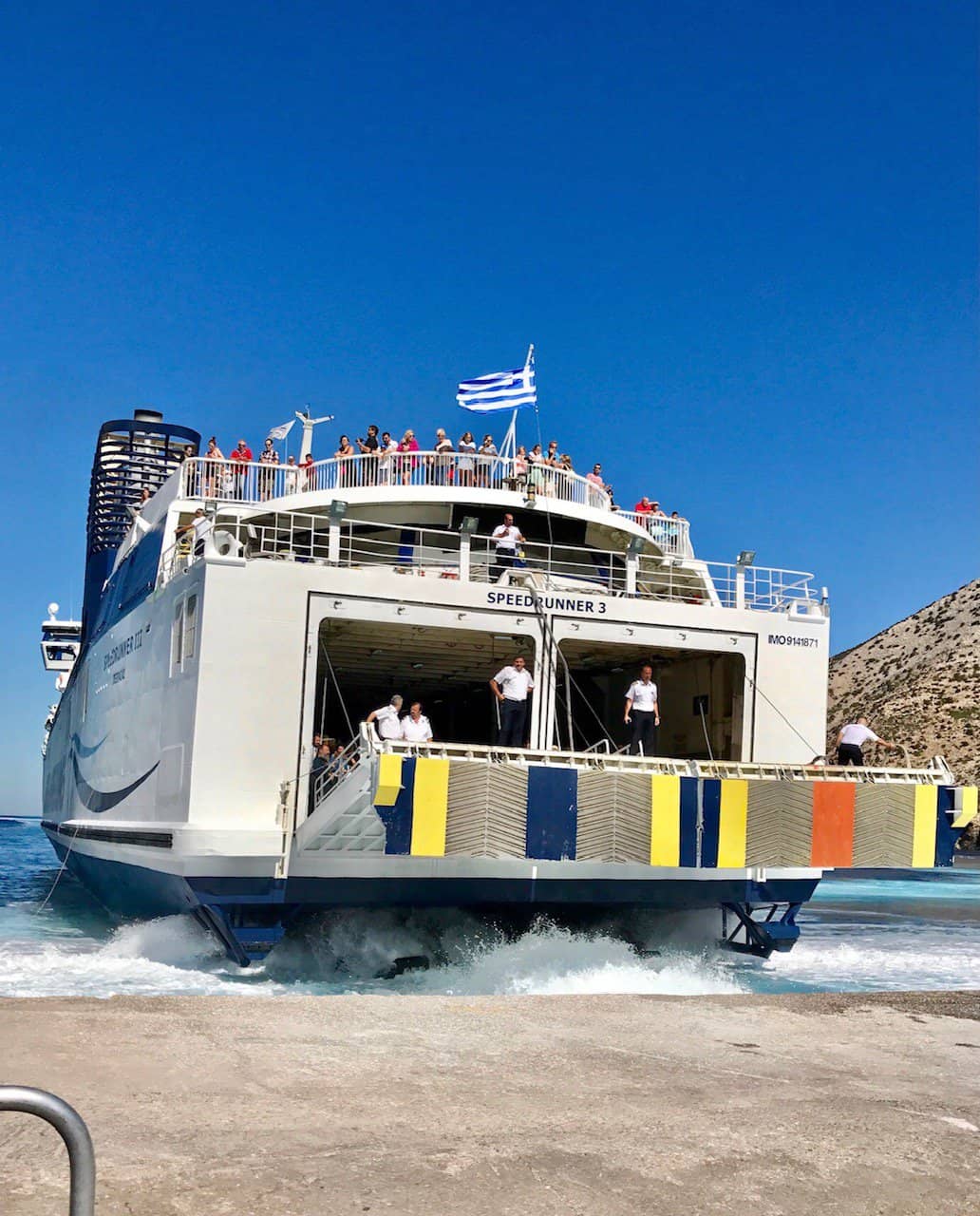
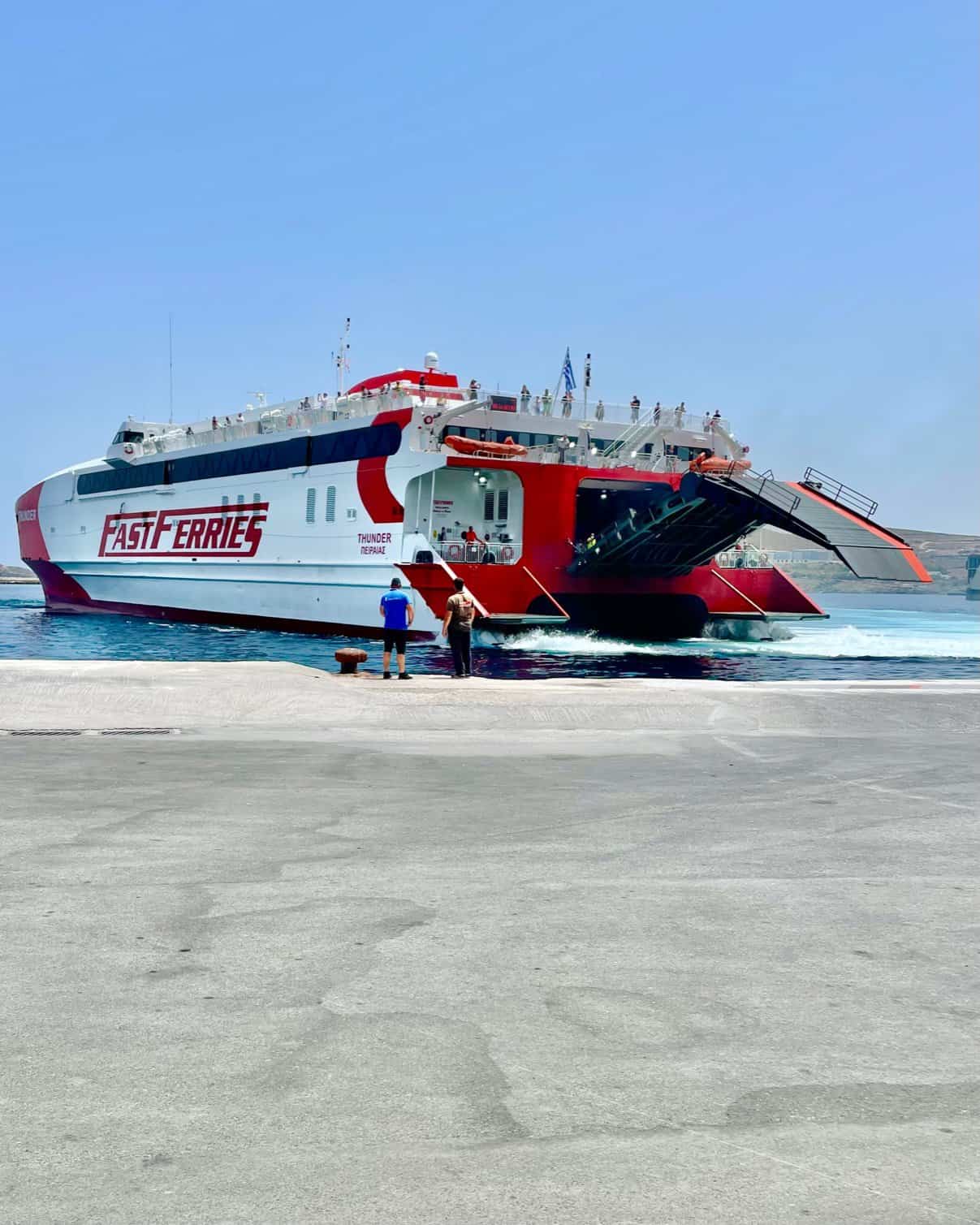
The ferry network is the largest and most efficient in the world, and each year it transports over 20 million passengers, with a near-perfect safety record.
Distances can be bigger than they look on the map, island timetables change with the seasons, and peak summer can be busy, but overall, the network is reliable, logical, and well used by locals. If you plan ahead, you’ll get around without drama.
Some places really need a car, while others don’t even allow them. Sometimes its a great idea to organise a private transfer, other times you may not need transport at all.
Ride sharing is banned but you can use some apps to call taxis.
Theres a lot to know!
What to expect
-
Ferries
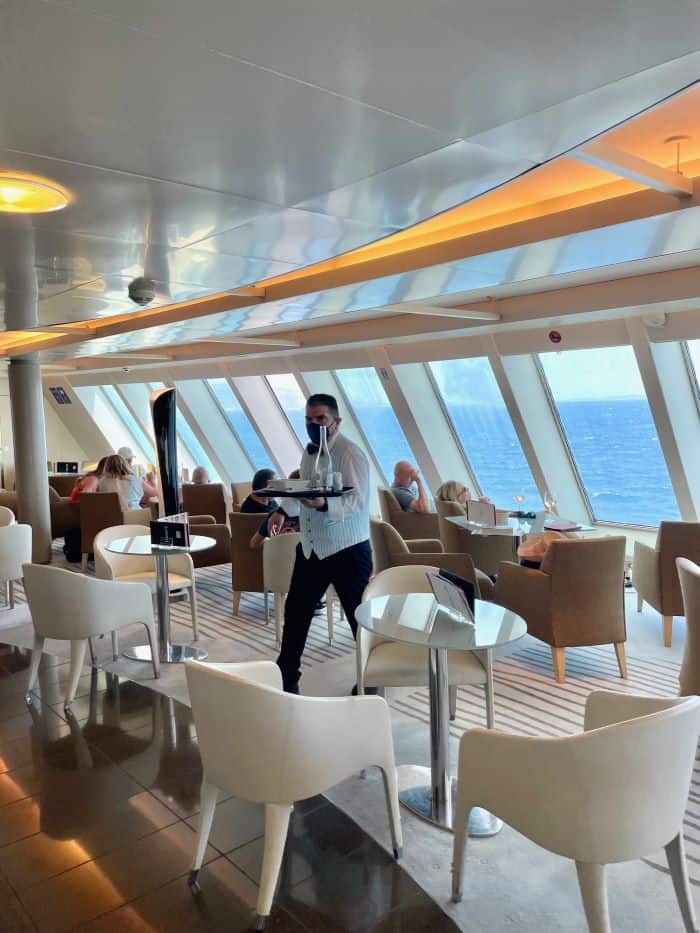
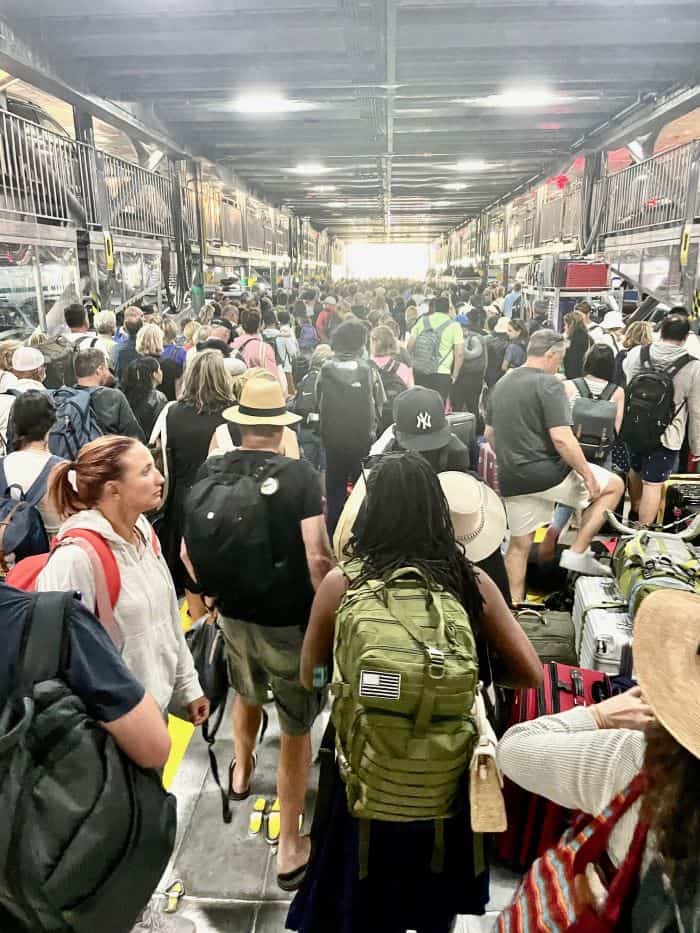
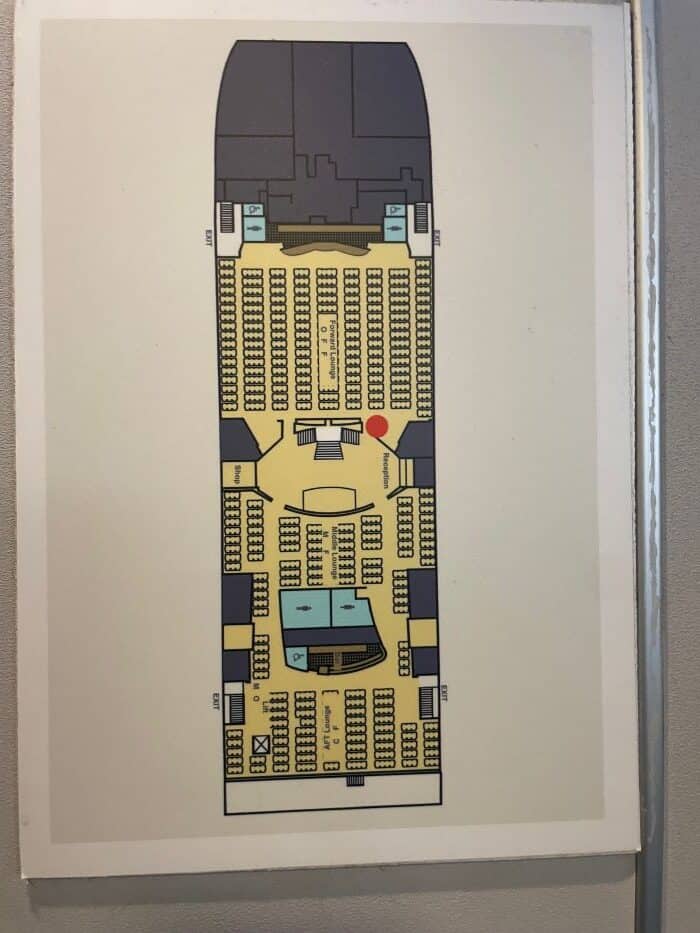
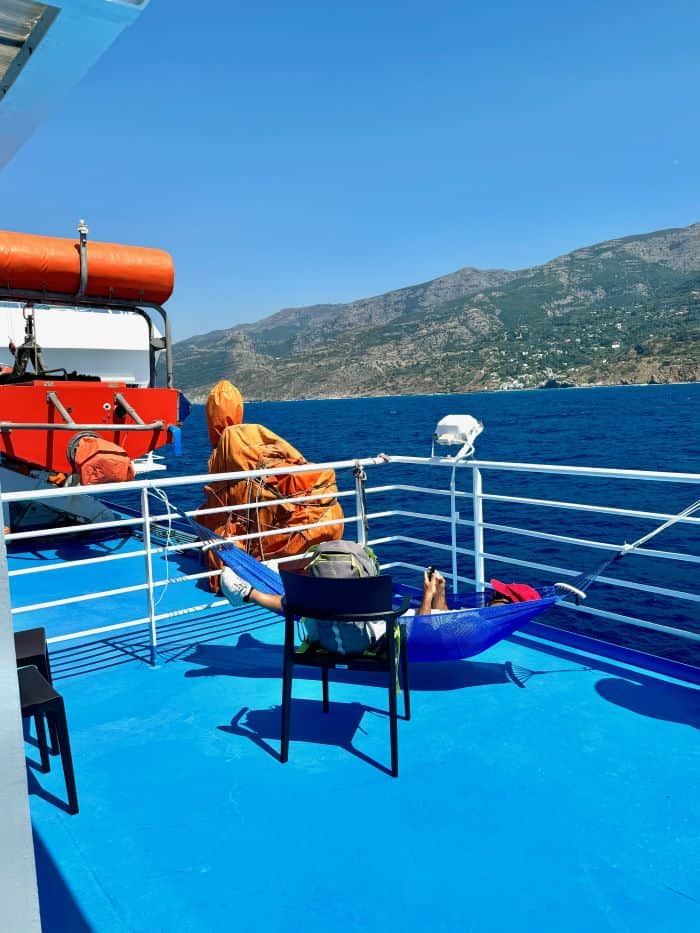
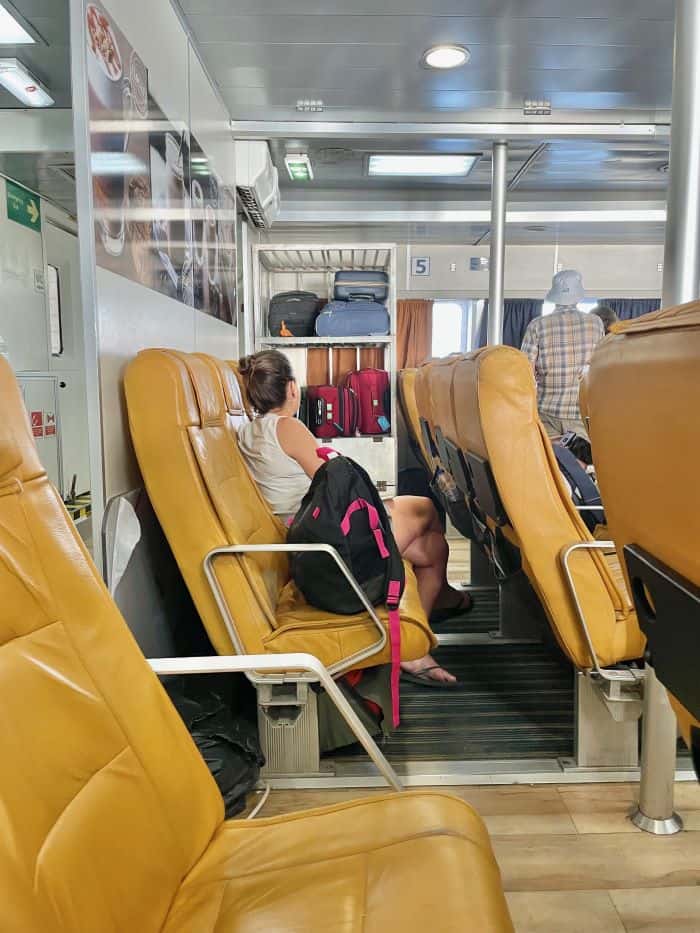
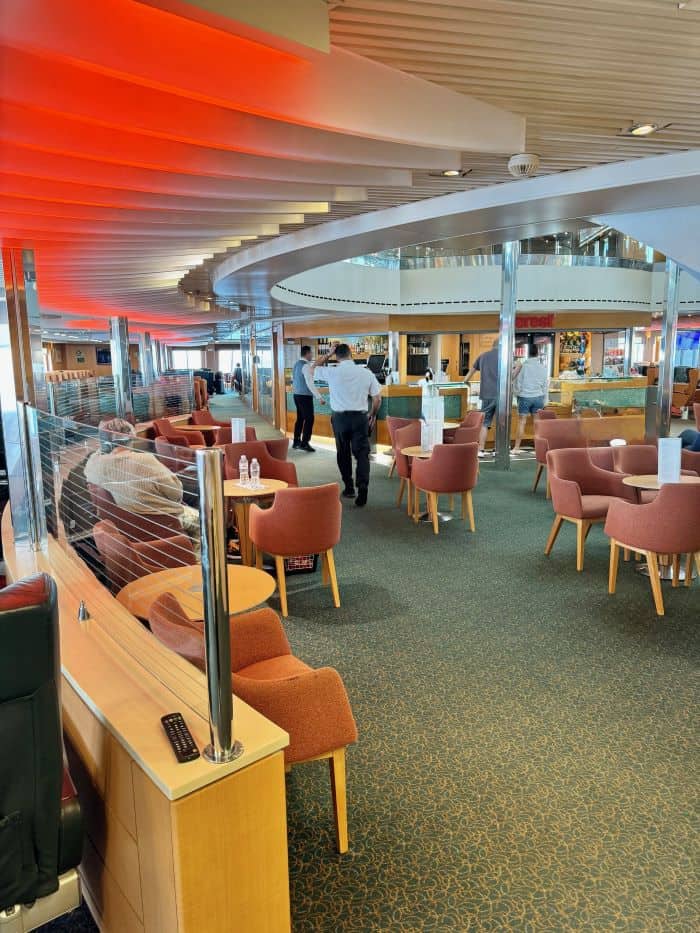
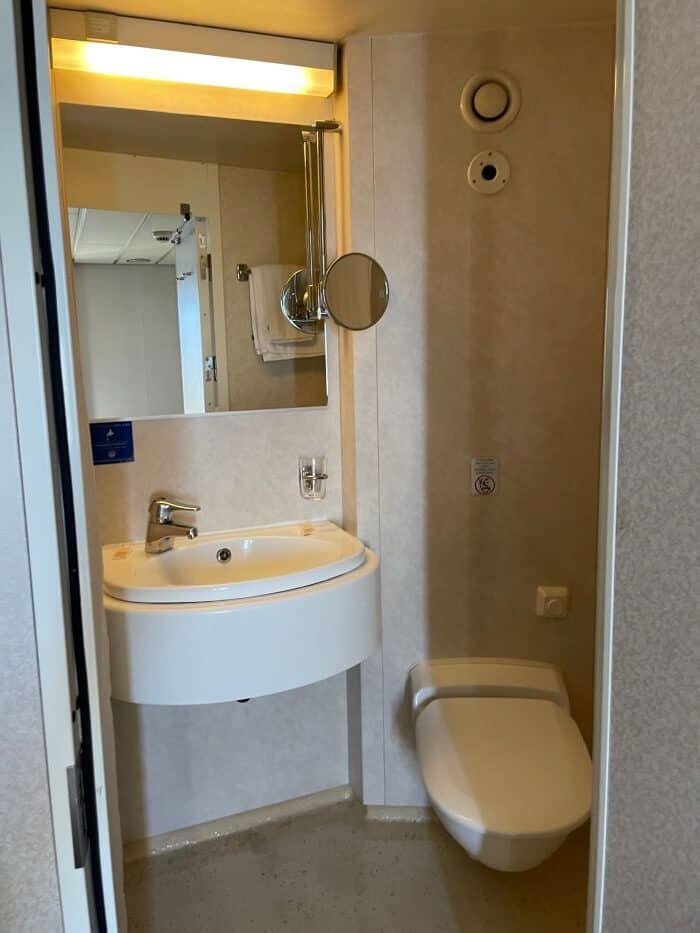
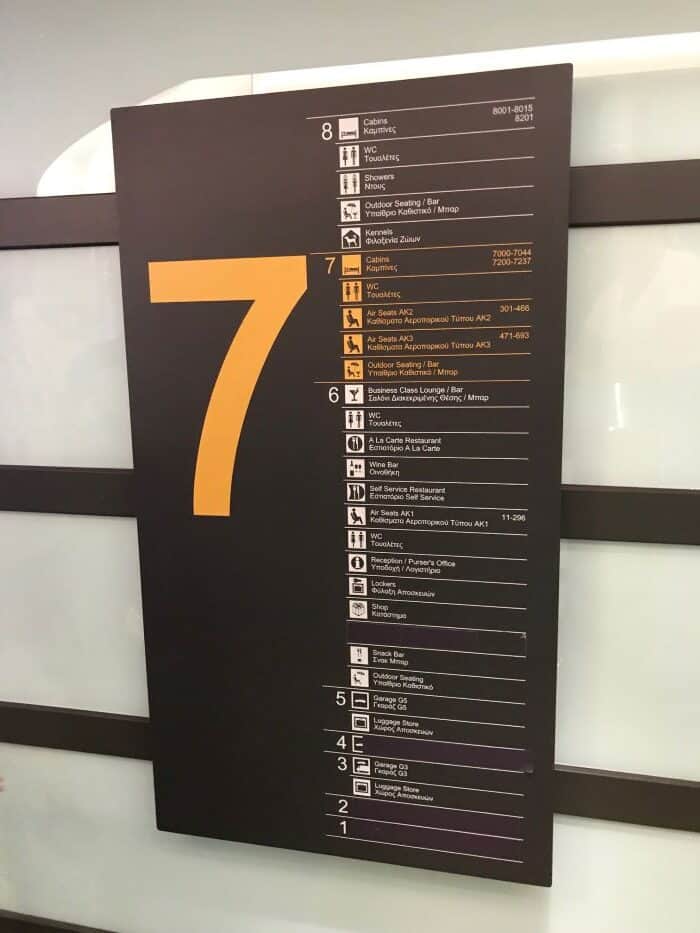
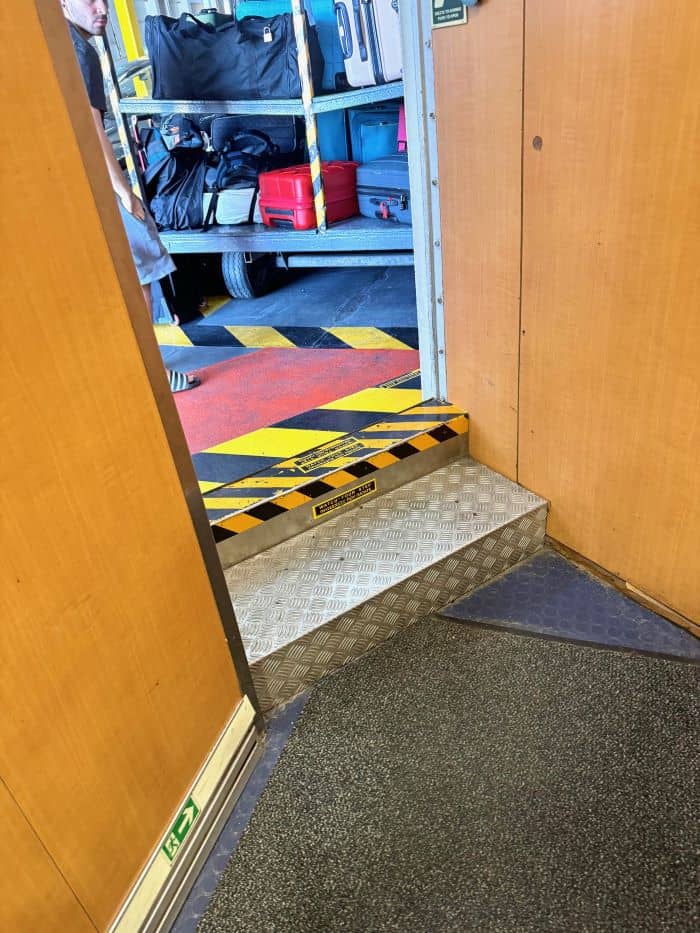
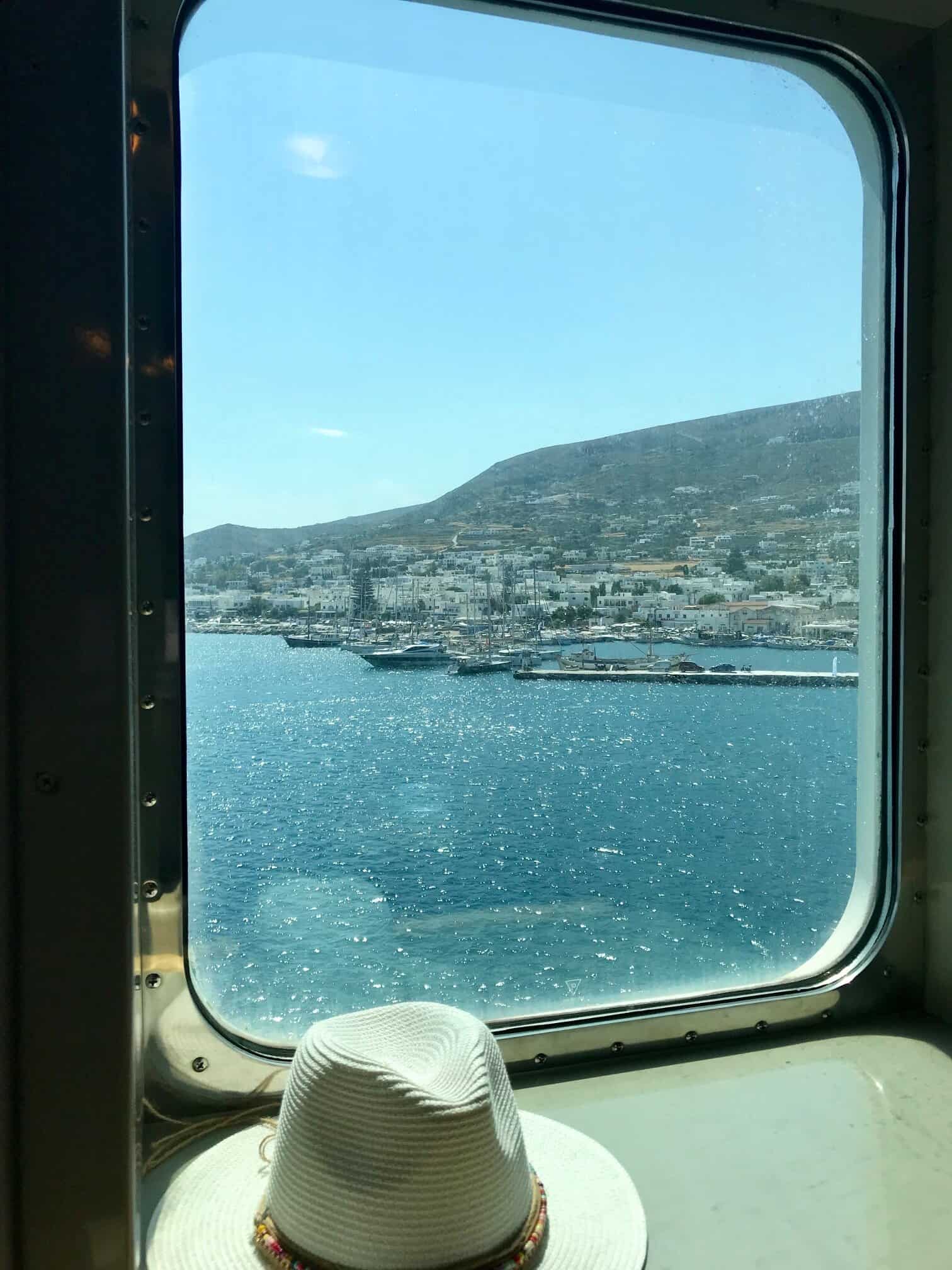
The backbone of island travel. They are frequent in summer, patchy in winter, and occasionally delayed by wind. Big ferries like Blue Star ferries are stable and comfortable, fast ferries are quicker but bumpy, and they are more prone to cancellations and delays. -
Domestic flights
Handy for longer distances like Athens to Crete or Thessaloniki to the islands. Planes can be small, punctual, and fill quickly. Prices jump during peak season, and baggage rules vary by carrier. -
Buses, KTEL coaches
The main option on the mainland. They are cheap, safe, air-conditioned, and surprisingly efficient. Timetables are not published well in advance, and you mostly buy tickets at the station or from the driver. -
Metro and city transport
The Athens and Thessaloniki Metro is modern, clean, and simple. -
Taxis and rideshare
Use Beat in Athens to order a taxi in Athens and major islands, to avoid price gouging and ‘broken meters’. You can also use the Uber app in those places. -
Hire cars
Best for the bigger islands, those with poor bus networks and for exploring the mainland. Roads are generally good, parking in cities is not, and village streets can be very narrow. Automatic cars sell out in summer, so book early. -
Transfers and shuttles
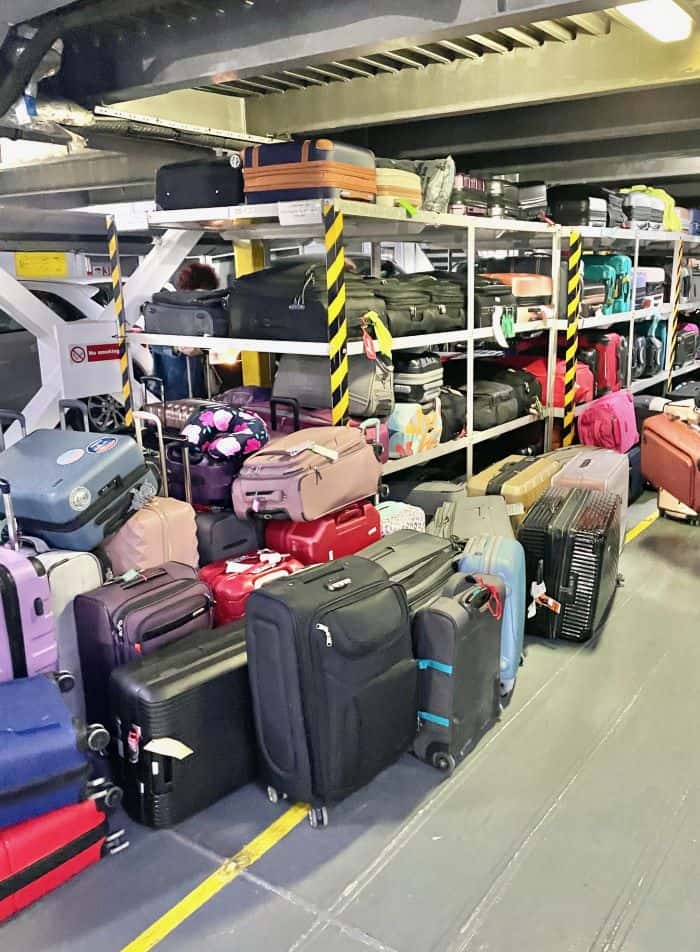
Common at airports and bigger ports. They cost more than taxis but remove the hassle of queues and navigation. Great for late-night arrivals or when travelling with lots of luggage.



How do you get between islands?
Most people use a mix of ferries and flights, depending on distance and time of year.
Greece has 39 airports, and around 15 of them handle international flights, so flying is a perfectly normal way to move between the mainland and major islands.
Direct island-to-island flights are limited, though, so you often connect via Athens. Ferries fill the gaps between nearby islands and smaller destinations.
How long do you need between flights and ferries in Athens?
A minimum of 2 hours, or 3 if coming in on an international flight.
Anything tighter is a gamble, especially in summer when airport queues and port traffic spike.
If the ferry is crucial, arrive the night before, and always be back on the mainland the night before an international flight home.
Do ferries get cancelled often?
Not really. Cancellations mainly occur during strong summer winds (The Meltemi) or big winter storms. Large ferries usually still run, fast ferries get pulled first. Most days, everything operates normally.
Do I need a car on the islands?
Depends on the island.
Places like Crete, Naxos, Kefalonia, and Milos are best explored by car. Islands with strong bus networks, like Paros or Santorini, are fine without one. Villages can be tight, parking even tighter, so don’t get the biggest car.
Is driving in Greece difficult??
It’s manageable if you’re confident. Highways are excellent, rural roads can be narrow, and scooters appear from nowhere.
Greeks drive assertively, so stay calm, follow the speed limits, and watch for sudden stops on mountain roads.
What’s the best way to get from Athens Airport to the city or Piraeus?
The ‘best’ way is to have a private transfer handle it gate-to-gate.
However, you can also catch the Metro, the express bus, or a taxi. All of these run late, but not 24 hours, year-round.





You may also like
