Are you planning a trip to Greece ?
For more advice and information from even more travellers be sure to join our Facebook Group.
WHEN TO VISIT GREECE
Firstly its a good idea to work out the best times to visit Greece. Visitors between late October and April will likely find many businesses on the islands closed and the weather cold and gloomy. Ferry services and flights during these months are also limited so island ‘hopping’ would be restricted to the main commercial centres such as Rhodes, Syros and Corfu.
The best months to visit are between April-June and September-October.The weather will be mild and most places wont be crowded. High season is late June to early September, and prices will reflect that as will the crowds, the number of cruise ships and accommodation availability.
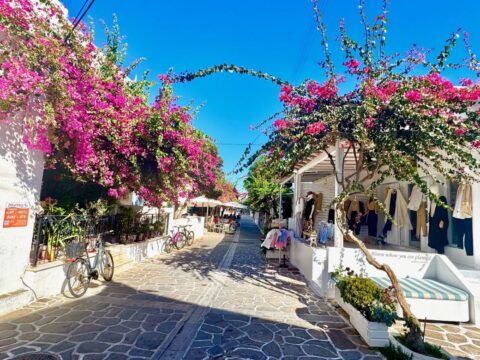
In saying that Summer is not exactly terrible especially in some of the lesser known spots. The water is warm, there are blue skies every day, the bougainvillea are in full bloom and a fabulous holiday atmosphere abounds, as Greece is at its absolute prime. They say this is when the Gods smile down the most and even in the most popular tourist towns and islands its easy to find a quite spot, a cove, beach, laneway or entire village that retains complete authenticity year round.
Easter is an especially wonderful time to visit Greece as it becomes very festive with parades, parties, and on many islands there are bonfires, fireworks and other activities and traditions. There are other festivals throughout the year that can vary for place to place and can be fascinating to witness and even participate in.
Best beach and swimming weather: June to September
Best sightseeing weather: March to June and September/October
HOW TO ISLAND HOP AROUND THE GREEK ISLANDS
The ferries
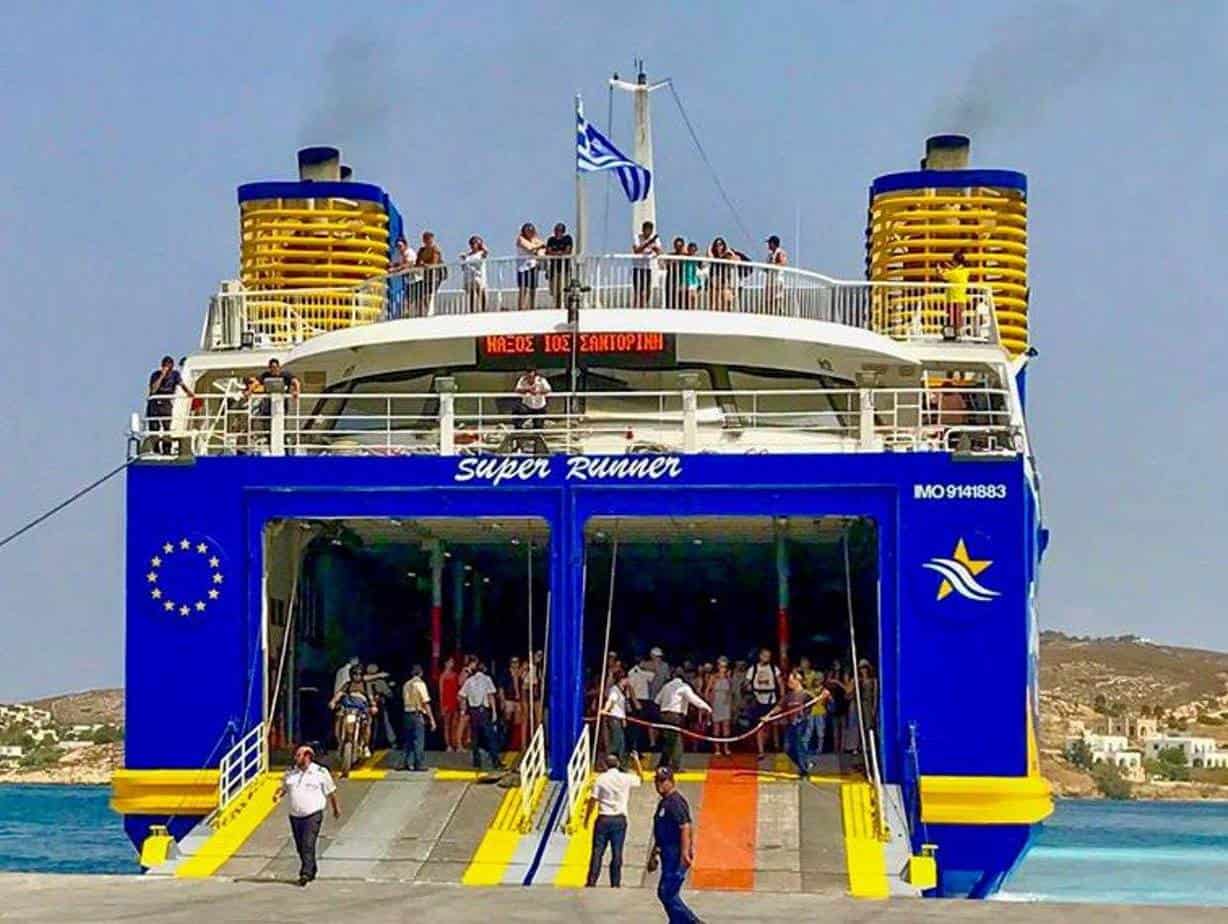
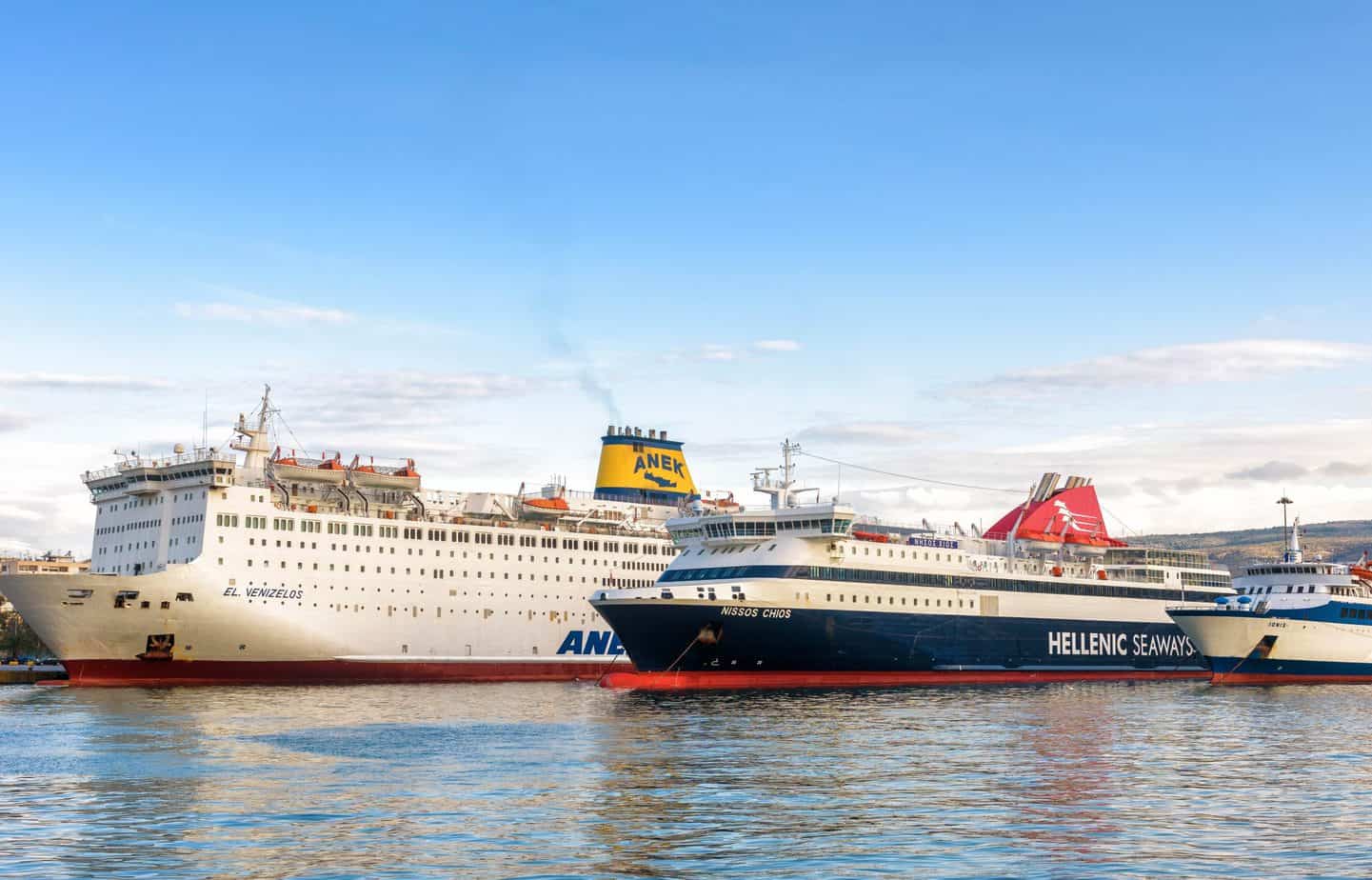
The ferry network in Greece is extensive and the ferries are big, comfortable and generally efficient. Many are like small cruise ships with restaurants, bars and even overnight cabins on the longer routes. Ferries generally cost less than flying although will take longer but it is usually a very pleasant and very ‘greek island’ experience that we highly recommend.
The main port of Athens, and one of the biggest ports in Europe, is Piraeus. This is where the main ferries run regular routes to the major islands in the Cyclades, Crete, the Saronic Gulf Islands, the Dodecanese chain and the Northern Aegean Islands. A smaller port in Athens, and even closer to the airport, is Rafina, which has ferry services to Evia, some of the northernmost Cycladic Islands and many of the Northeast Aegean Islands. Both are easily accessible both from the airport and downtown Athens.
If you’re traveling to the Ionian Islands off the west coast of Greece, most ferries leaves from Patras or Kyllini on the Peloponnese or Igoumenitsa in Epirus.
Tickets and timetables
Be mindful that timetables can change and they are not normally published for the coming summer season until only a few months in advance. Each year routes, boats and prices change so don’t take anything you read this year too literally for next. Seats can get booked out on the most popular routes in peak season but if you buy your tickets a day or two ahead ( ie. when you arrive in port) you are generally fine. You will see ticket sellers/agencies in all the ports.
If you do want to book in advance and/or keep an eye on routes and what ferries are running your routes we use and recommend Ferryhopper.
Seasickness
Some people worry about seasickness but many of the ferries have stabilisers and can handle the roughest seas. If conditions are too rough they are cancelled. Always have travel insurance!
Modern medication is also helpful but generally in the summer months at least, the journey’s are quite pleasant.
Suggested itineraries for the Greek Islands
7 days
Paros – Naxos – Santorini
Lefkada – Ithaca – Kefalonia
Aegina – Poros – Hydra
Rhodes – Symi – Kos
10 – 14 days
Paros – Mykonos – Santorini – Milos
Corfu – Paxos – Antipaxos
Skiathos – Skopolos – Alonissos
3 – 4 weeks
Mykonos – Naxos – Ios – Santorini – Milos – Sifnos – Serifos – Kea
Rhodes – Symi – Tilos – Kos – Patmos – Samos – Chios – Lesvos
Zakynthos – Kefalonia – Itahca – Lefkada – Corfu
Full Itineraries
Further Planning
There is more information about where to stay in Greece, what to do, how to get around and even a fun Quiz about Greece to help you further plan your trip. Feel free to reach out to us if you would like any other help.
Like this post? Why not Pin it?
You may also like
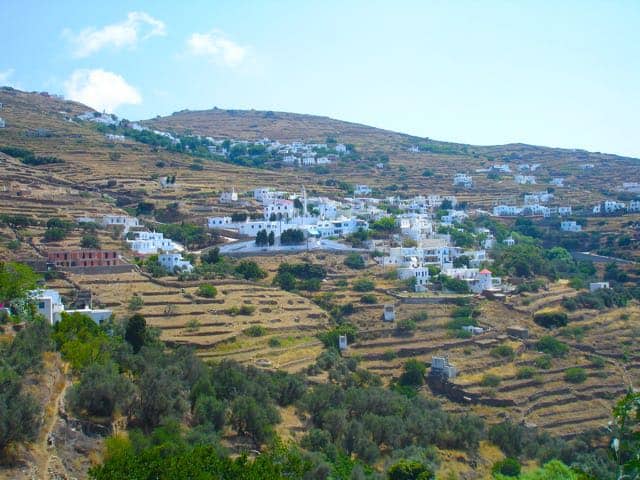
URSULINE NUNS CONVENT AND FINISHING SCHOOL,TINOS
The Ursuline Convent and Museum on Tinos is one of those places that takes you completely by surprise. Hidden away in the quiet village of Loutra, it tells the story of an island that was once an unlikely hub of female education and craftsmanship. Founded by the...
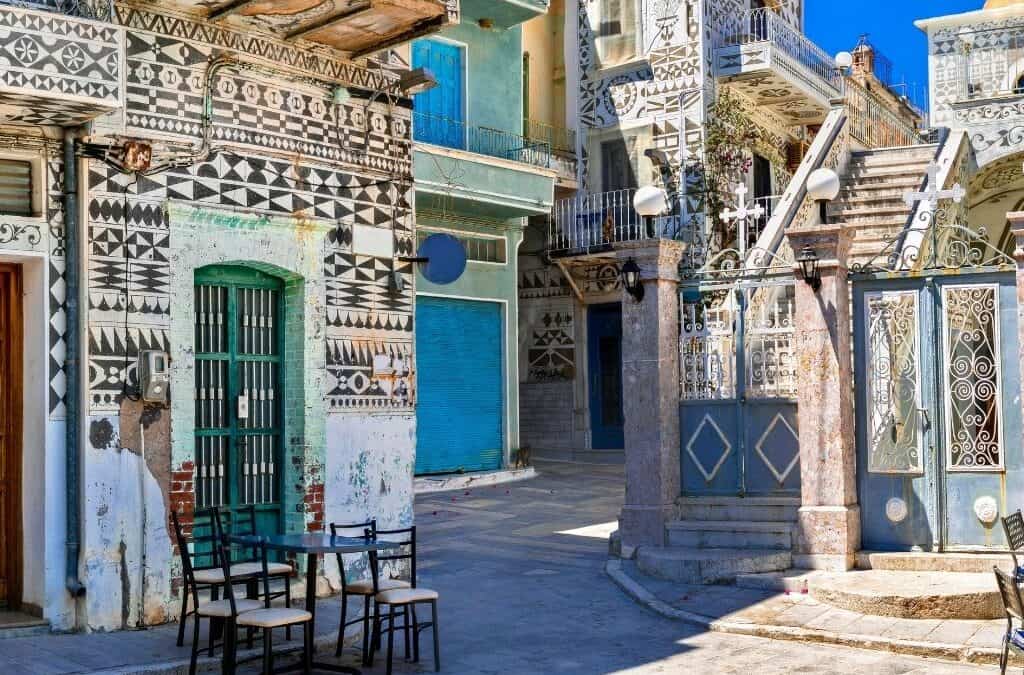
CHIOS’ MASTIC VILLAGES – GREECE’S ‘WHITE GOLD’ HOMELAND
The Mastic Villages of Chios, known as the Mastichochoria, are a cluster of medieval settlements in the island’s south, renowned for cultivating mastic—a resin from small trees that are unique to the region. Characterised by narrow alleys, fortified architecture, and...
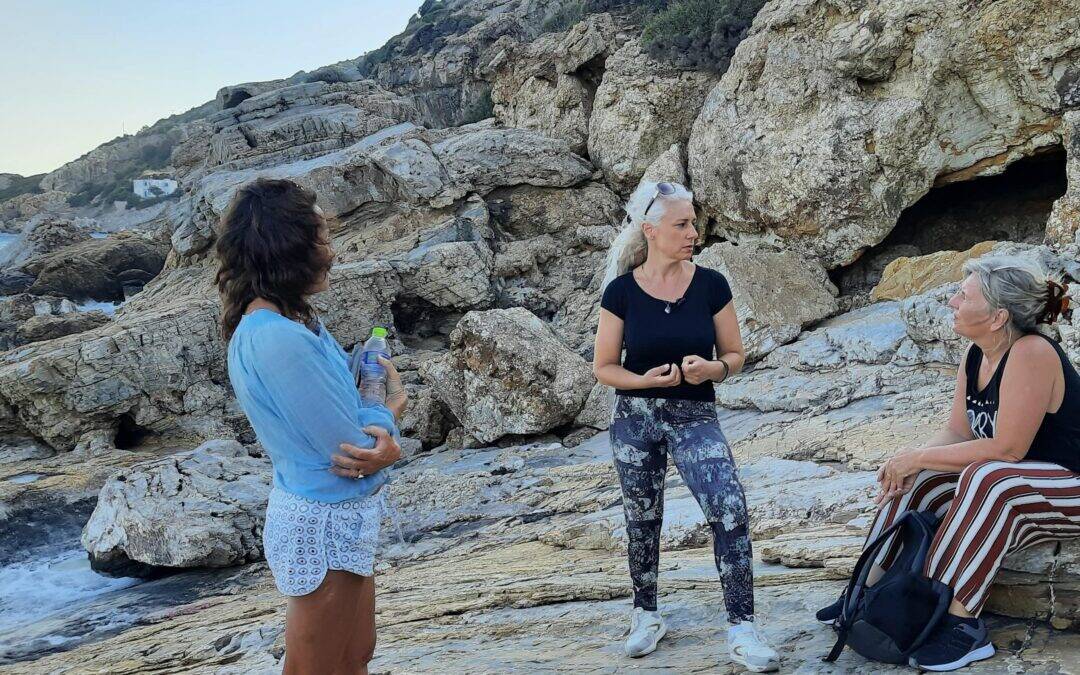
IKARIA TOURS AND ACTIVITIES WITH VOULA
Ikaria is one of the world’s five official “Blue Zones” — where people live to 90 or more regularly. Studies have determined this is due to their diet, the thermal baths, and several other factors, in particular, a lot of incidental exercise and an active lifestyle....

TOURS AND TRANSFERS IN MYKONOS (AND MORE)
When you arrive in Mykonos after a long flight or ferry ride, be greeted by a friendly Mykonian with a sign with your name on it! Our trusted partners at Mykonos Concierge can not only organise your transfer to your accommodation, but Antonis, Sophie and the team also...