
Greek Islands
The iconic Greek Islands are a vast archipelago comprising over 6,000 islands and islets across the Aegean and Ionian Seas, of which approximately 225 are inhabited. Some of these are summer destinations, while some can be enjoyed in the off-season too.
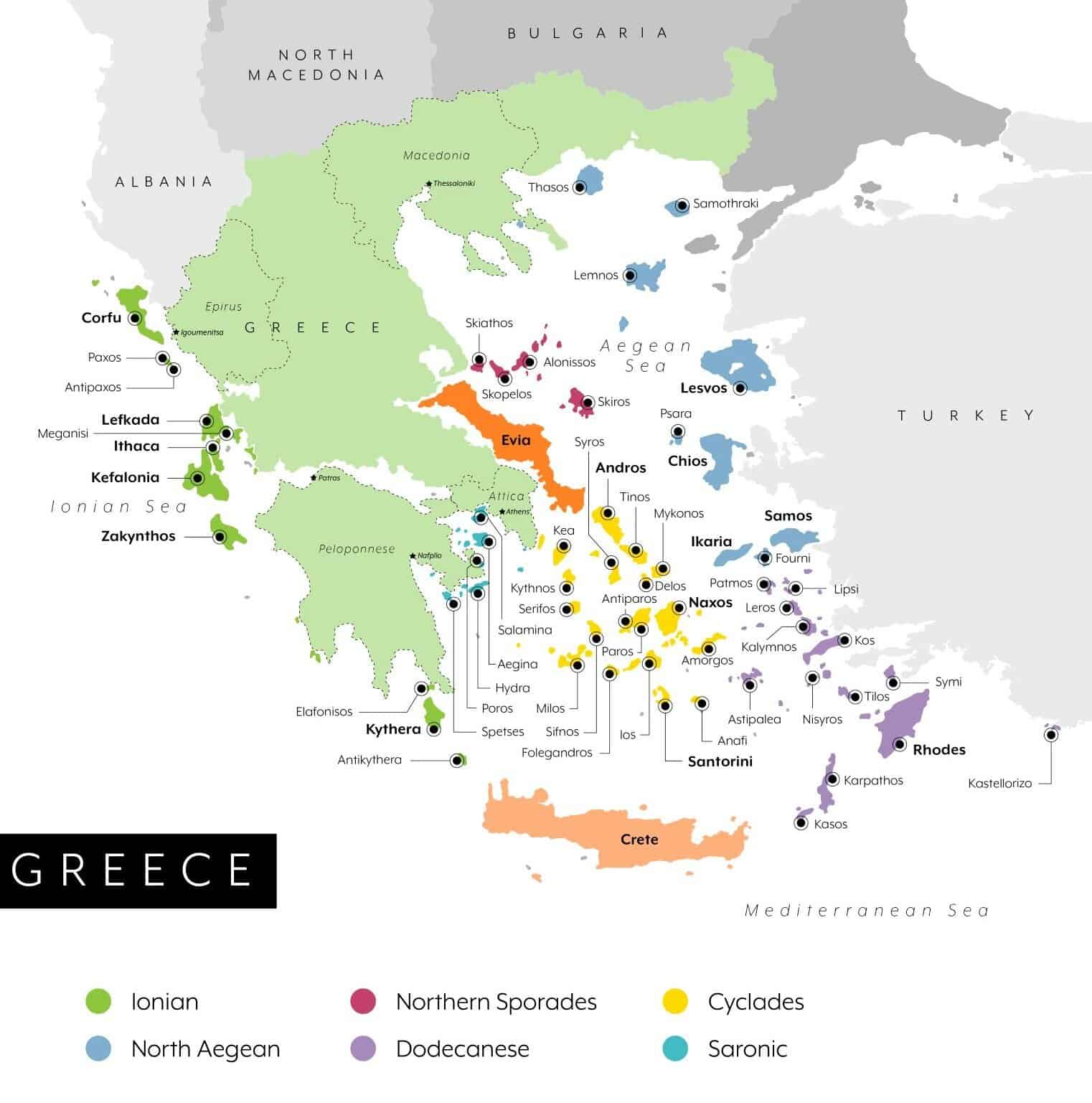
It’s important to know that the islands are divided into several main groups:
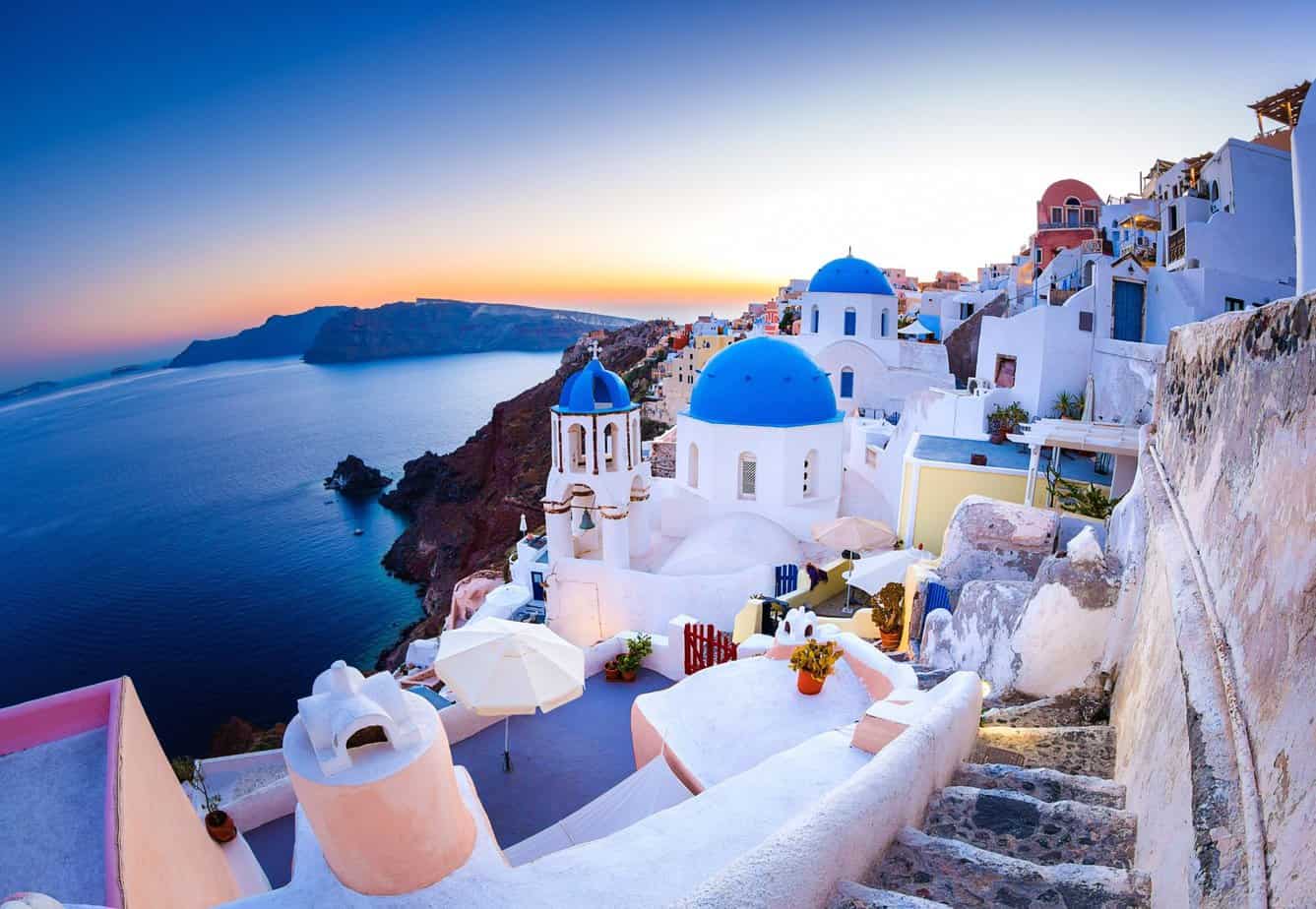
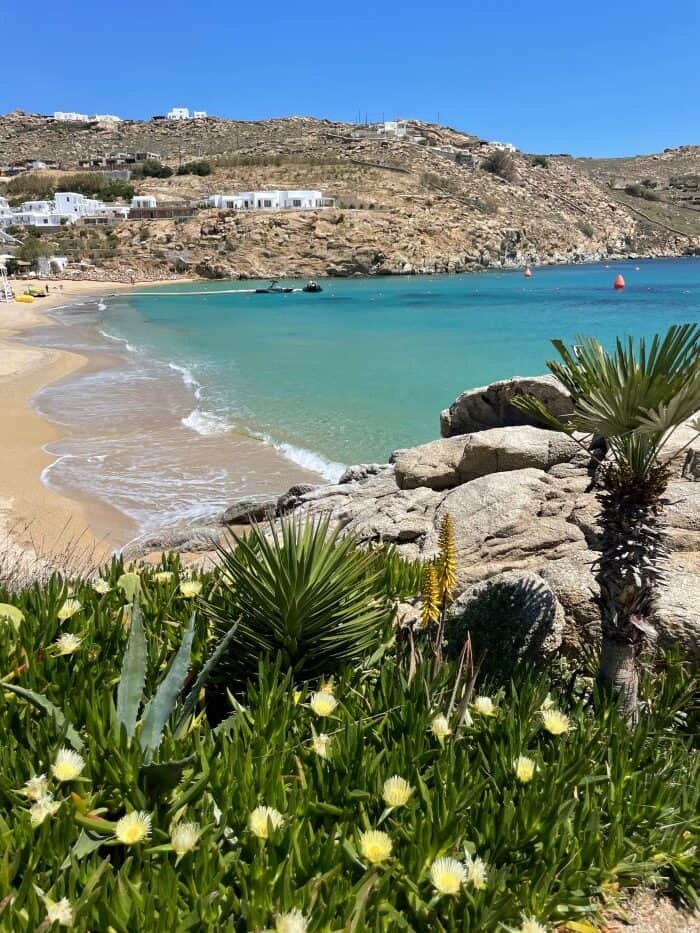
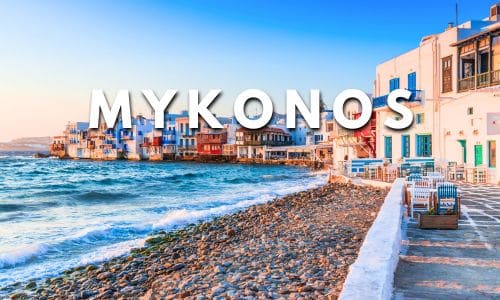
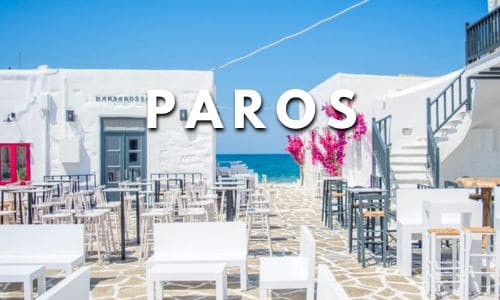
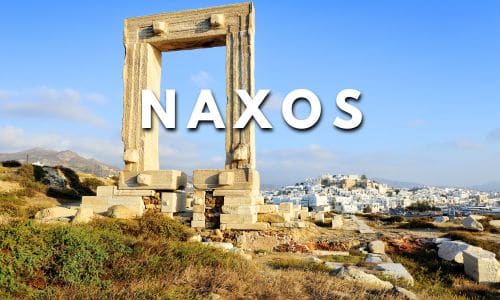
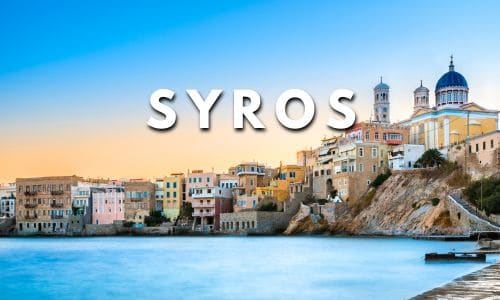
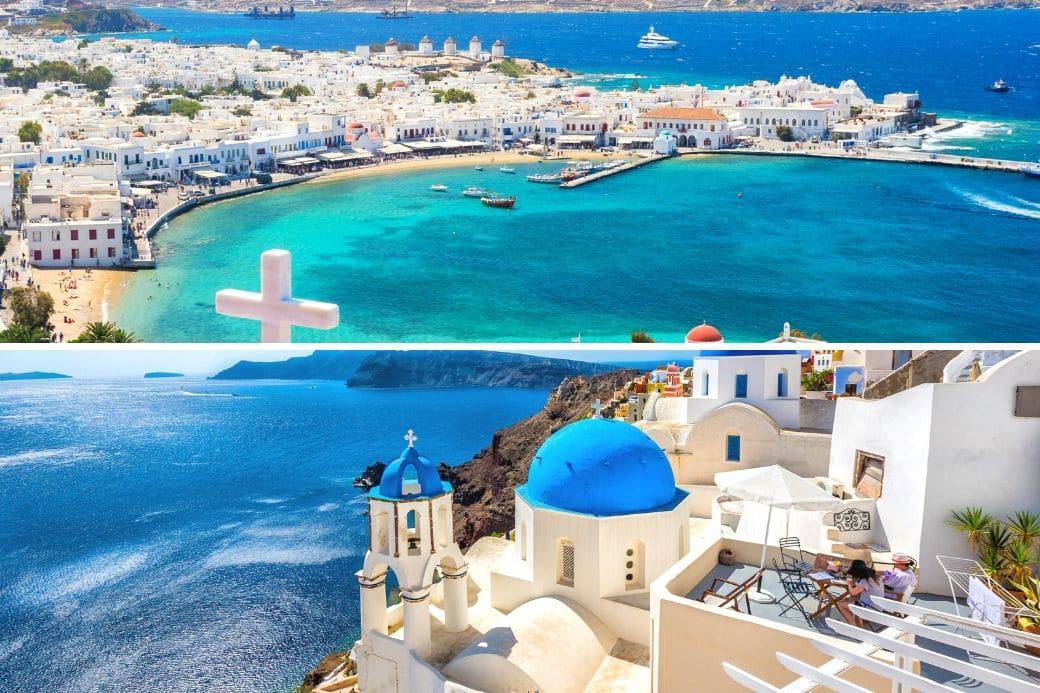
The Cyclades (a ‘circle’ around the sacred island of Delos), south of Athens and famous for Santorini and Mykonos, with their iconic white, sugar-cube architecture and blue church domes. This is where many first-timers head, and many others return year after year.
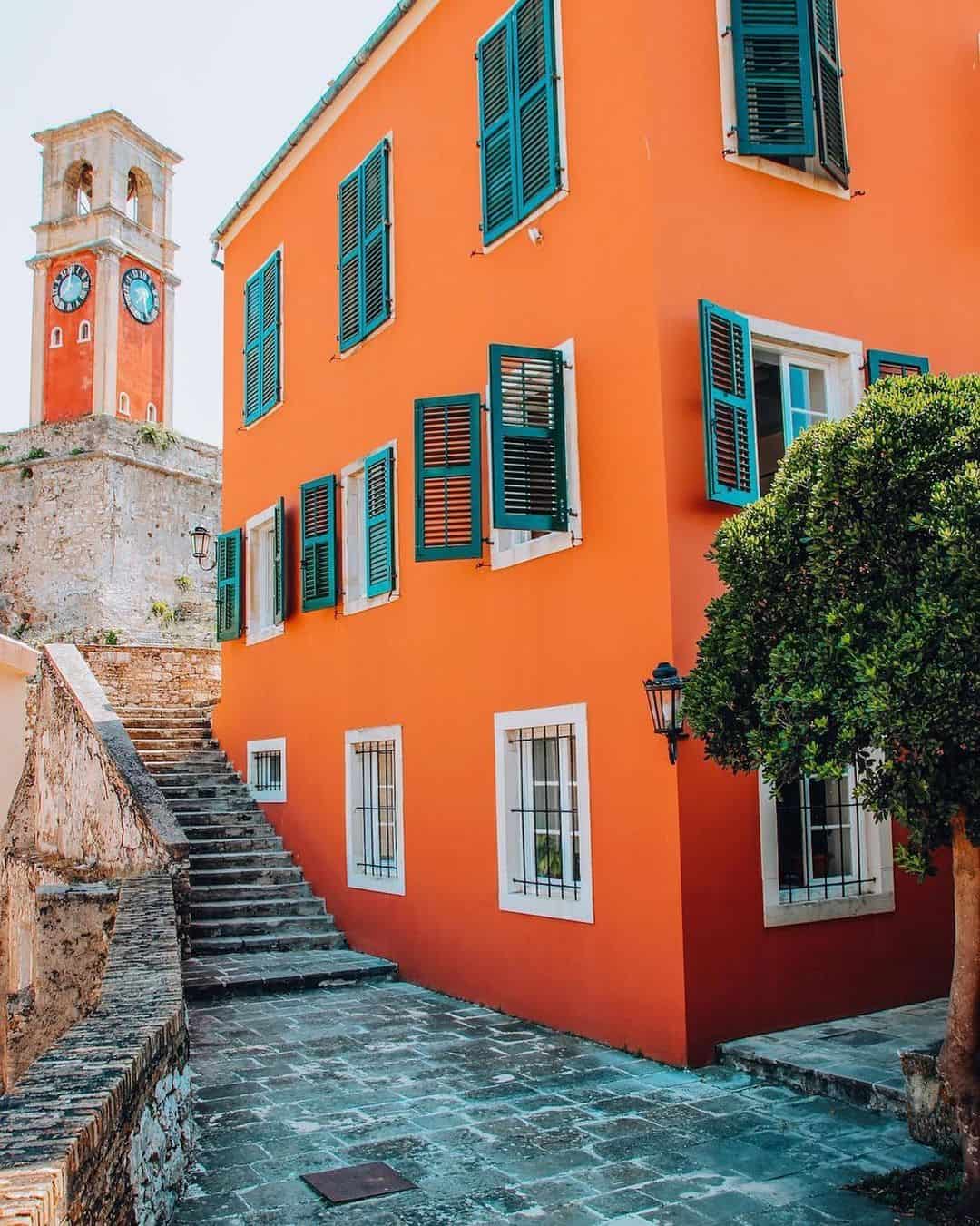
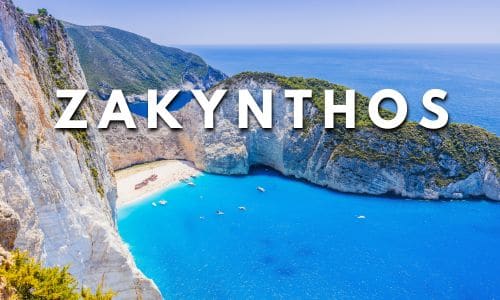
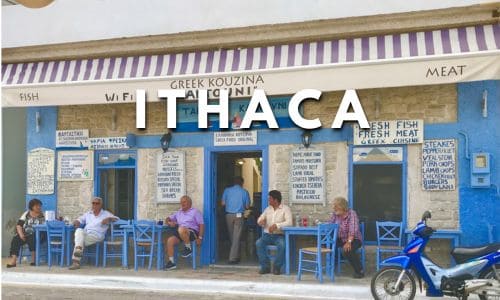
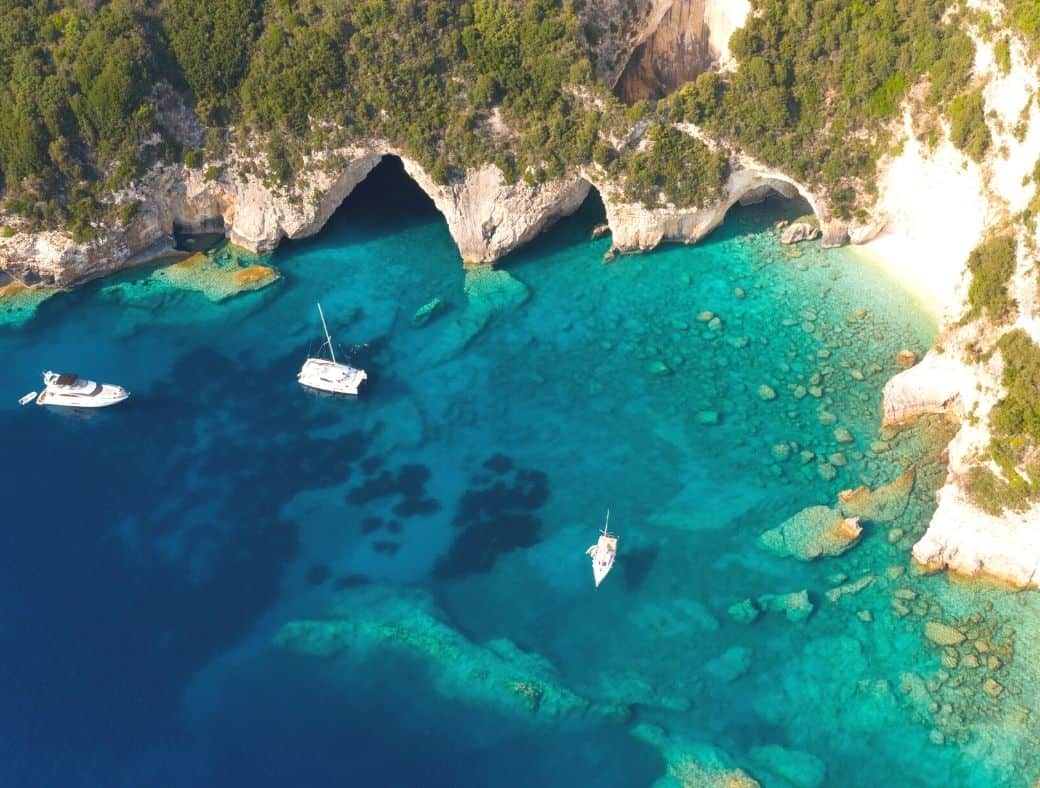
The Ionian Islands off the west coast of Greece, including Corfu and Kefalonia, are known for their lush, green landscapes, stunning beaches, dramatic white cliffs and Venetian architecture.
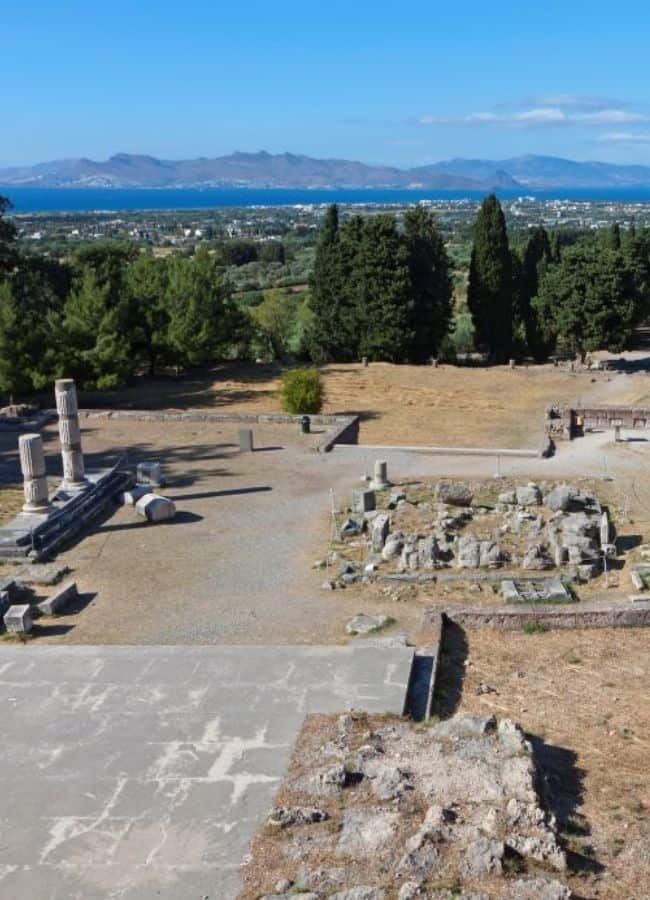
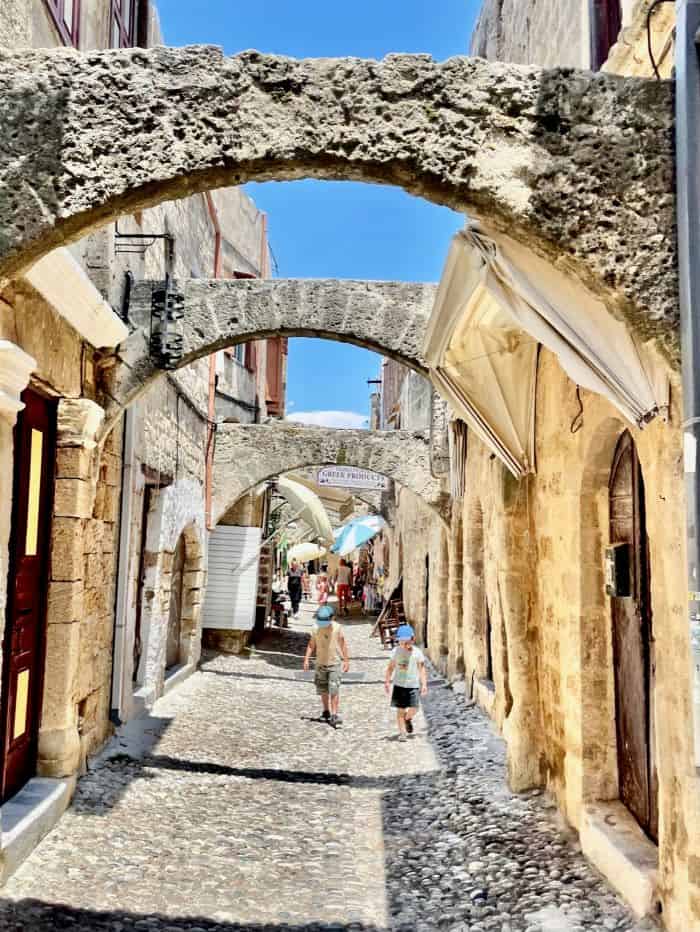
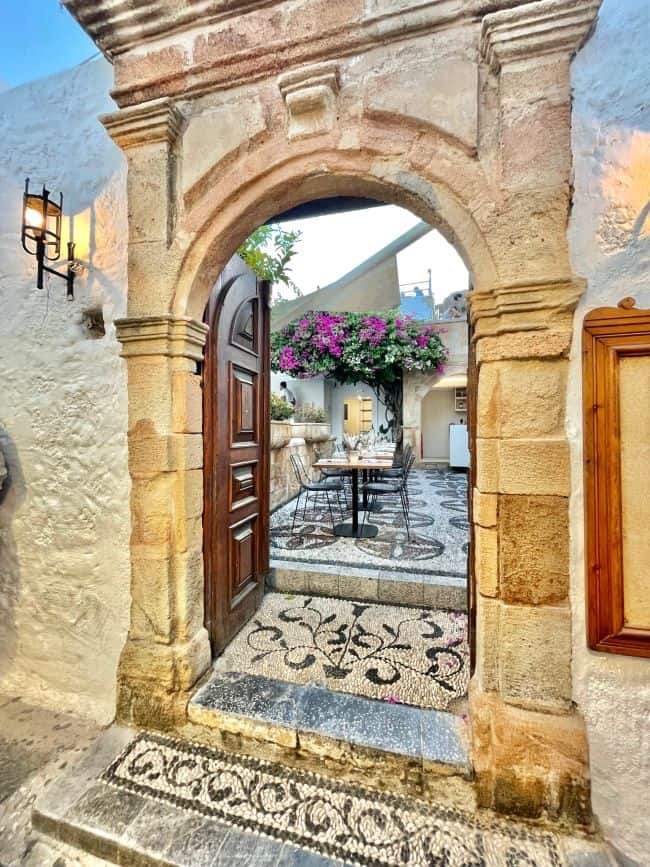
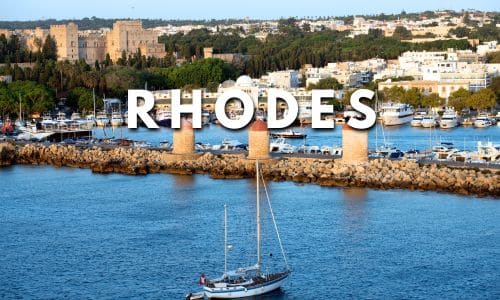
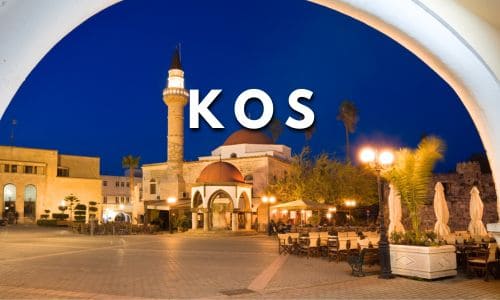
The Dodecanese(‘Doda’ means ‘twelve’), close to the Turkish coast, includes Rhodes and Kos with rich historical landmarks, Ottoman, Byzantine and British influences and medieval towns and monuments.
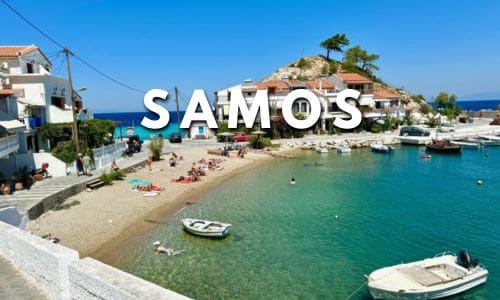
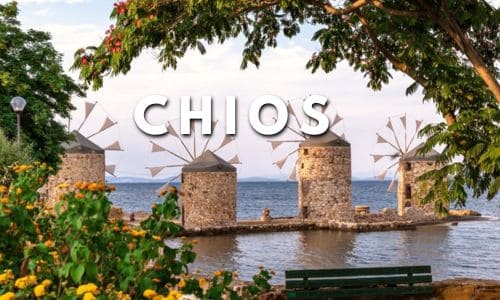
The North Aegean Islands, which are less frequented by tourists and include Chios, Samos and Ikaria, one of the world’s Blue Zones.
The Sporades, known for their beautiful beaches on the ‘Mama Mia’ islands of Skiathos and Skopelos and the marine park on Alonissos
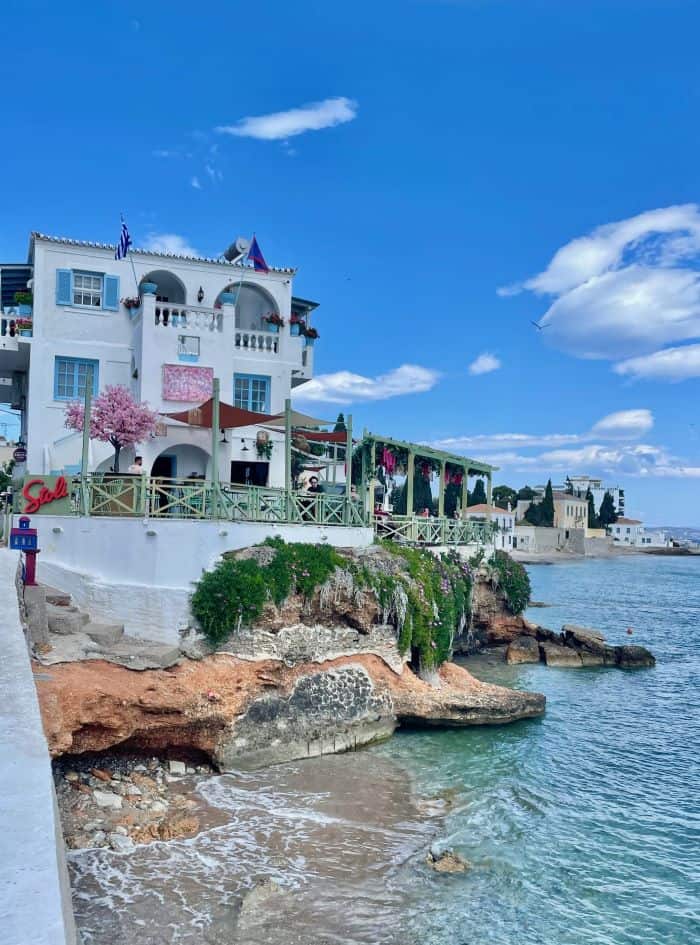
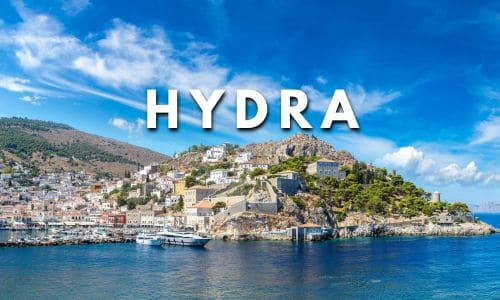
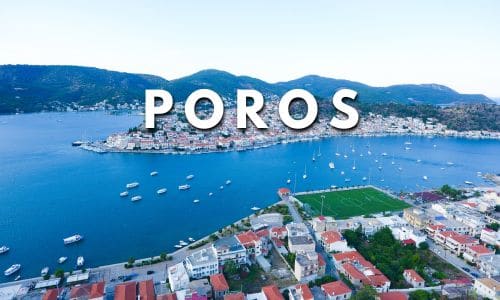
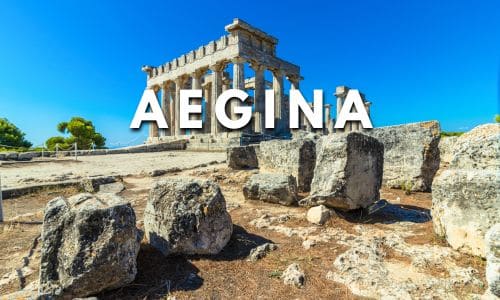
The Saronic Islands, which are closest to Athens and include popular, unique islands like Hydra and Aegina.
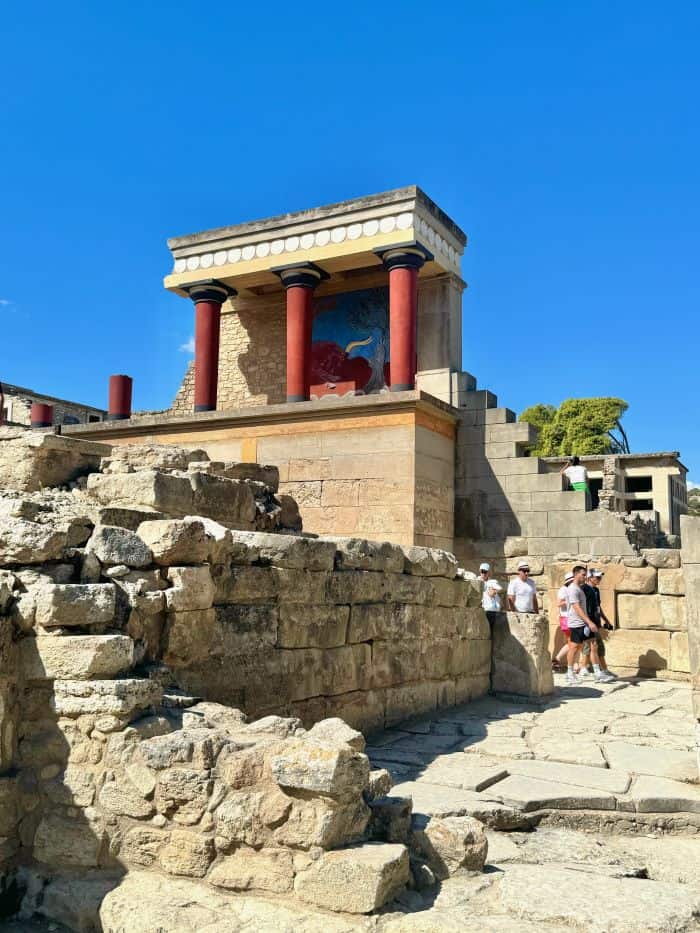
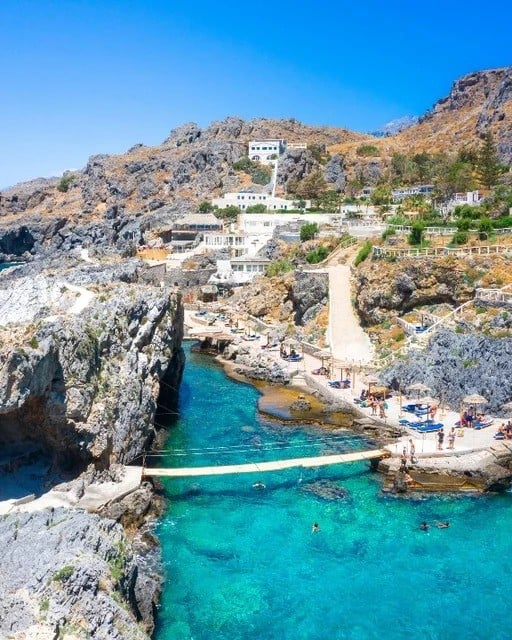
Crete – the largest of the Islands and bigger than many countries. This island is a fascinating destination in its own right.
What to expect
The Greek Islands are some of the most iconic places to visit in the world. While many people think of Santorini and Mykonos, there are hundreds of islands across the country. Because of their relative isolation, they are all quite unique and have their own cultures and customs.
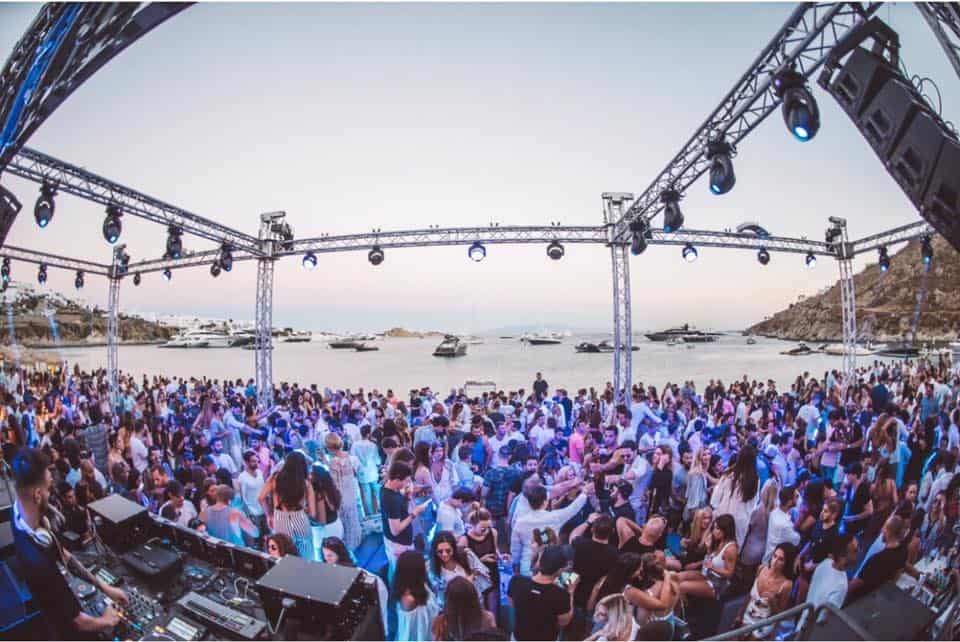
Some islands, like Mykonos, are mostly seasonal and heavily dependent on the tourism industry, and they receive many cruise ships. The islands are unsurprisingly, also the most expensive.
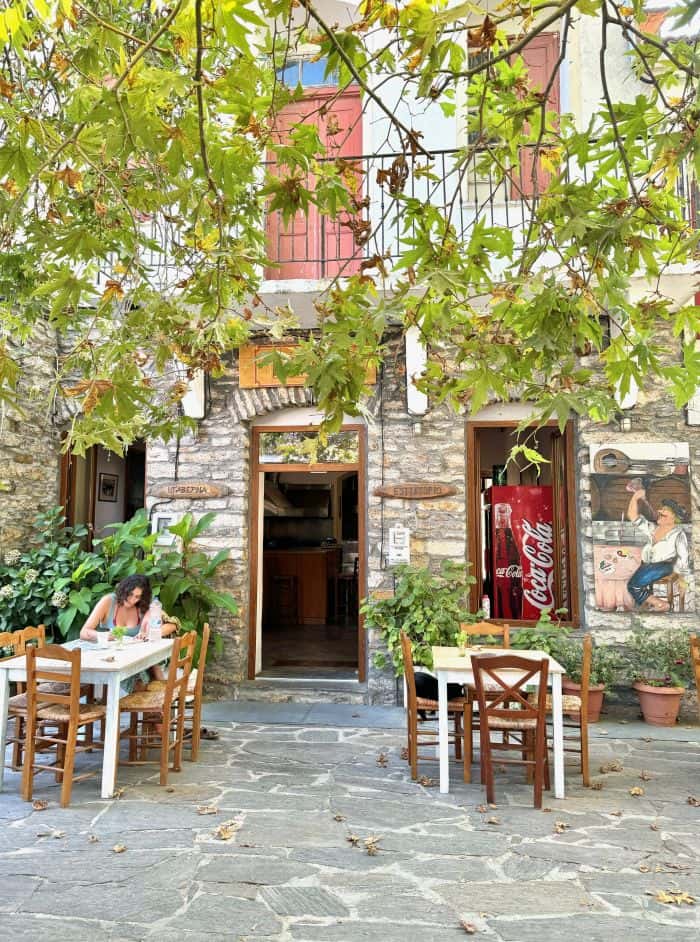
Others get hardly any tourists at all and are very authentic and affordable.
The biggest challenge most people face is getting from one island to another and formulating an itinerary given transport options and time constraints.
25 of the islands have airports and 13 of them service international flights, mostly to European destinations.
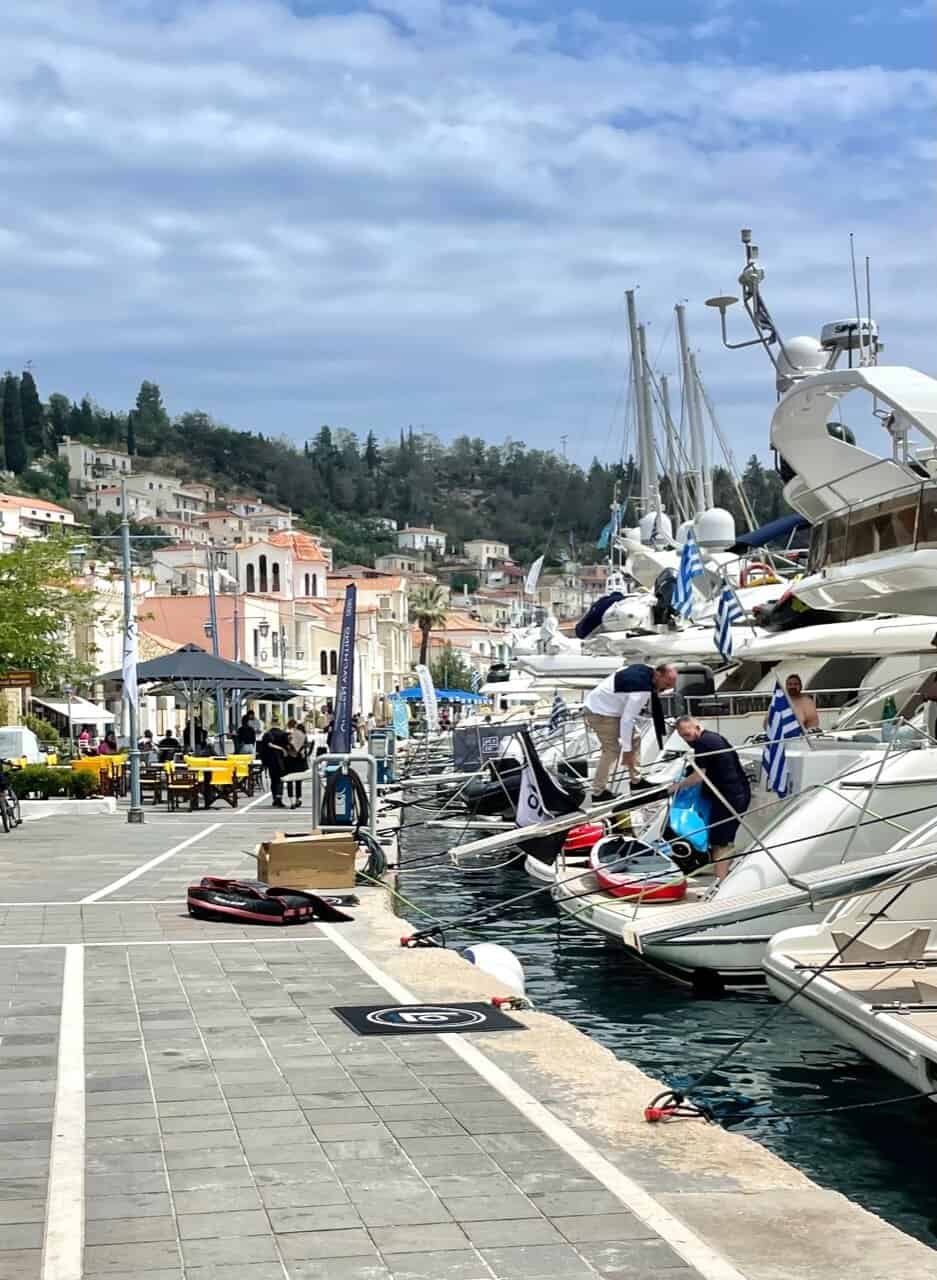
The ferry system is the largest and most efficient in the world, but most ferries run between islands in the same group rather than across groups.
For many people, a great itinerary is a combination of flights and ferries.
Language: Greek, but most people in tourist areas speak English ( and more)
Currency: Euro. ATMs are very common on the more popular islands, as are cashpoint machines.
Water: Many islands do not have a natural water source, so bottled water is recommended.




Best time to visit the Greek Islands
The season officially runs between (Orthodox) Easter and October.
This means that outside these months, many things will be closed, including hotels, restaurants and most activities.
Some of the smaller islands will finish up in late September, while some of the bigger ones, like Crete and Rhodes, run their season in November, as does Santorini.

How long to go for
We recommend at least 3 nights on any island, except Aegina and Hydra, which are so close to Athens that they can be reached in a short trip.
Bigger islands like Rhodes, Kefalonia, Corfu and Evia can easily use 5 nights, while Crete is like a country on its own and can do with 7-14 days, or more!

How to get around the Greek Islands
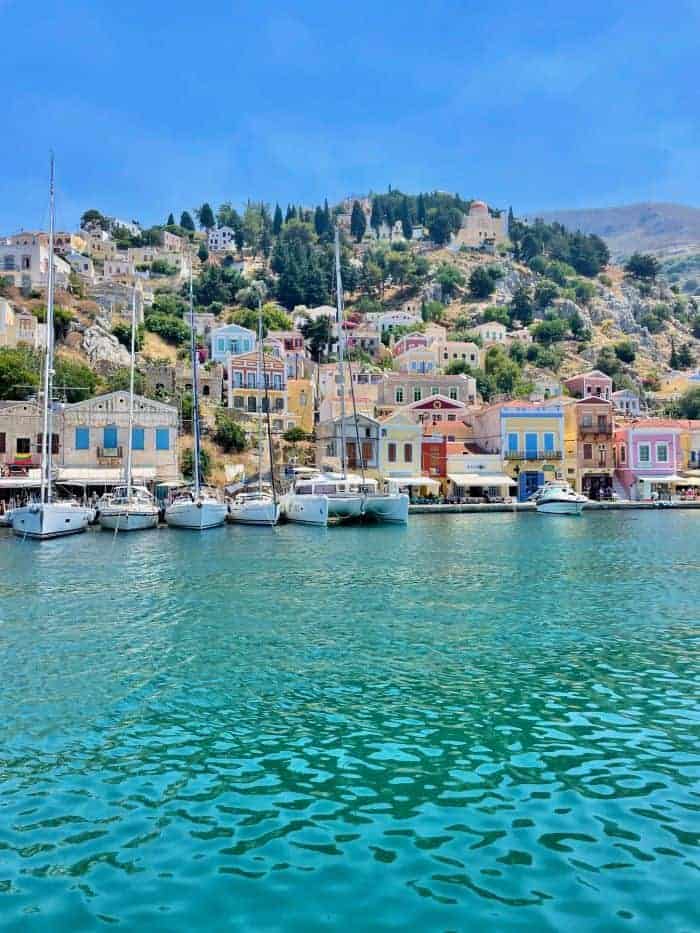
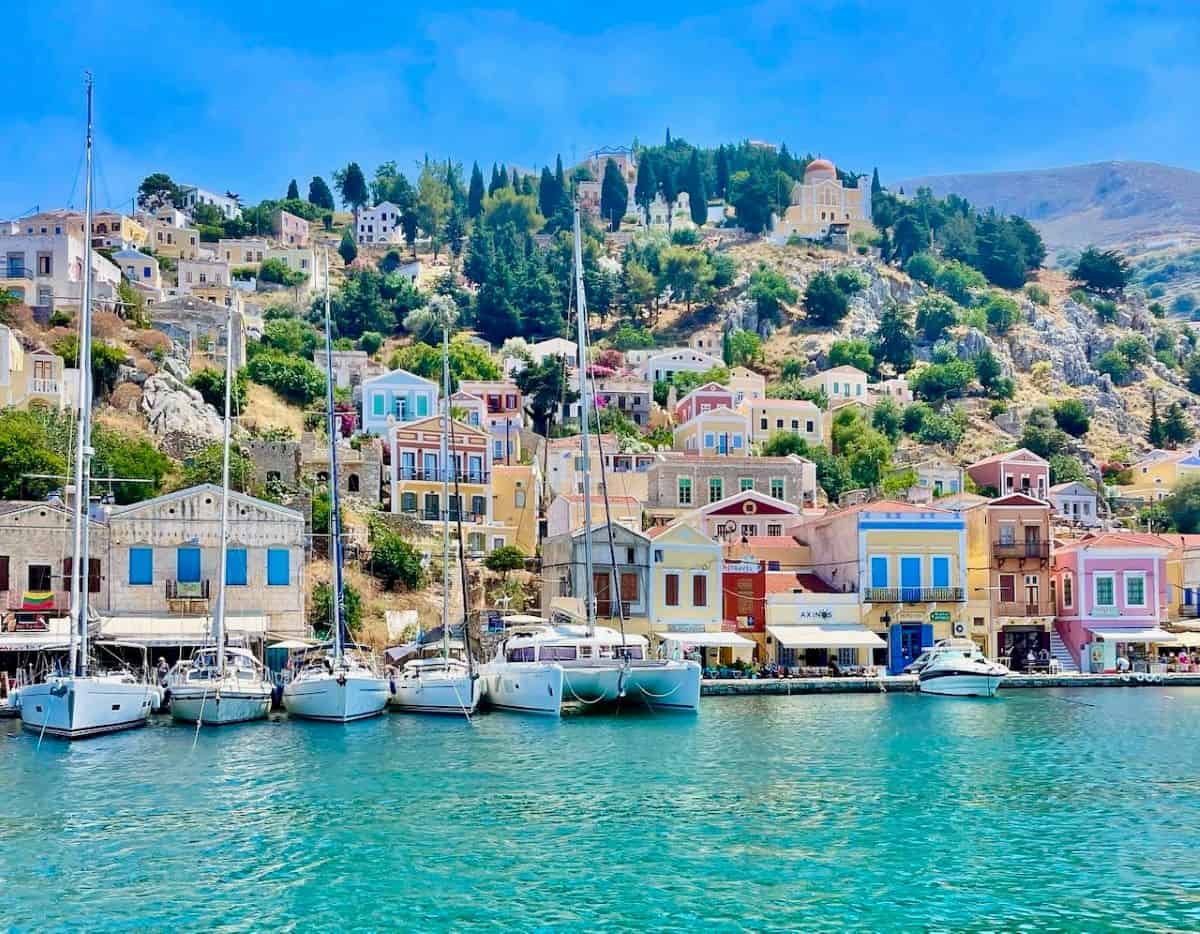
This can vary a fair bit from island to island. Smaller islands, like Symi and Koufonisi, are quite walkable and may have a sea bus that runs to the beaches. Mykonos has this, as well as water taxis.
Many islands have good bus service, but it’s a good idea to have a car, even for a day or two or even the whole time on big islands like Crete, Kefalonia, Corfu and Rhodes, as things are spread far and wide, and queues for buses in summer can be long. Some islands, like Hydra and Spetses, have restrictions on motorised vehicles.
What are the best islands in Greece?
This is very subjective and depends on factors such as the time of year, length of time, budget, and interests.
This article summarises some of the most popular islands for different demographics.
What are the best Greek Islands for Families?
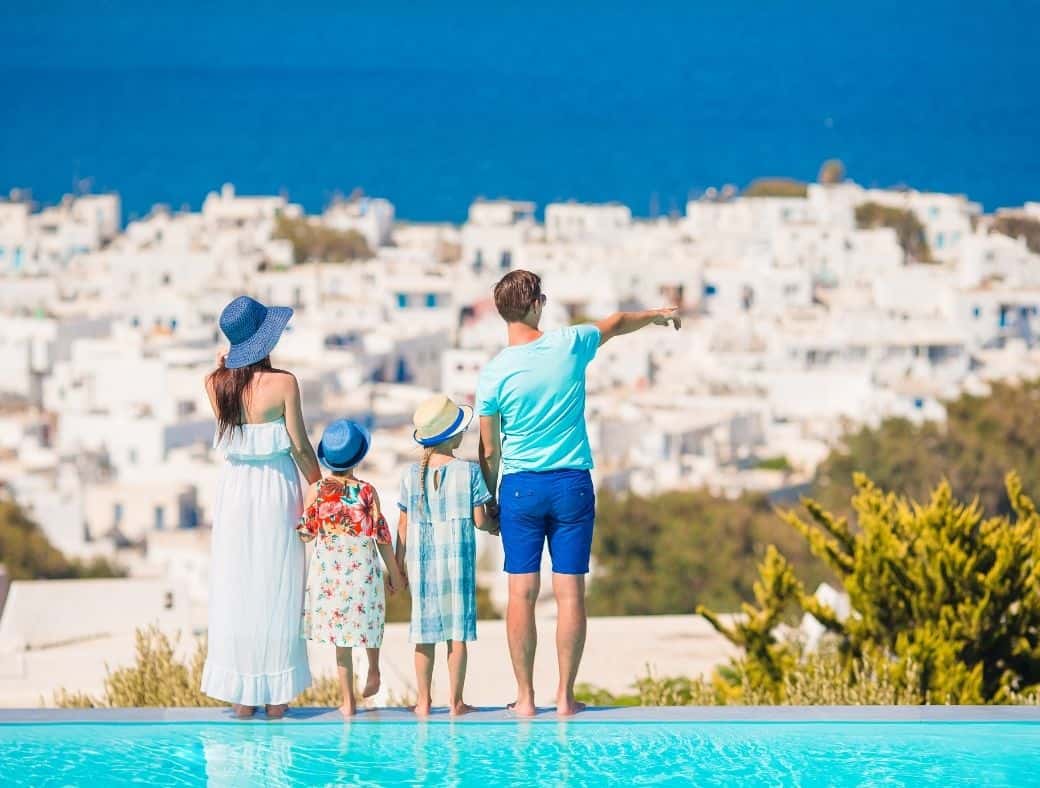
Greece has to be one of the best holiday destinations on the planet for families. With so much to see and do, and at a very affordable price point, it is safe, clean, and the Greek people absolutely love kids. Do not be surprised if you find your toddler being given free doughnuts or your baby being cuddled by a local Yiayia ( grandmother). The mainland has a lot to offer and really lends itself to a family road trip , but the islands are, of course, very popular. With over 220 islands to choose from, which are the best Greek islands for families?
We’ve tried and tested a bunch of Greek Islands with our own family over the years, and these are our picks.
Which are the best Greek Islands for couples?
Is there a country that evokes more images of romance and couples’ goals than Greece? As one of the world’s most popular honeymoon destinations, it has so much to offer couples of all persuasions and age groups. But with so many places to choose from, which are the best Greek Islands for couples?
The ones that offer the perfect balance of privacy and elegance as well as plenty of things to do and see together. We’ve tried and tested a bunch of romantic Greek Islands as a couple ourselves, and these are our picks.
Top islands for Solo Travellers
Being by yourself may be a daunting prospect, but solo travel in Greece is quite viable — even for solo female travellers.
With its well-trodden tourist routes, friendly and helpful locals and the chance to head out on an adventure (or even just to lounge around on its beautiful beaches), there’s not too much to worry about.
Greece is a fantastic destination for solo travellers, with everything you could wish for: picture-perfect beaches, vibrant nightlife, history, and friendly people.
These Greek Islands are the best for solo travellers, in our experience.
Island Hopping the Cyclades
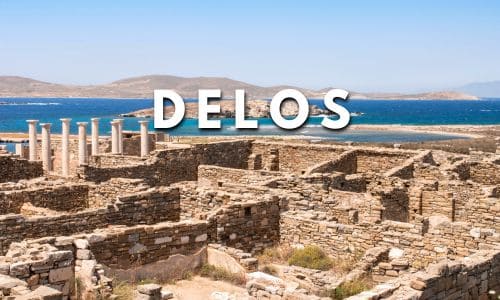
Home to iconic islands like Santorini and Mykonos, the Cyclades offer many options for a wide variety of travellers. With 24 inhabited islands located southeast of Athens, the name Cyclades comes from the word ‘cycle’ or circle and refers to their position around the sacred island of Delos.
TIP * Pronounced “kee-KLAH-dhess”
We cover 19 of the islands here.
Popular Combinations include:
Lesser know Greek Islands
With over 220 inhabited islands, there are a lot to choose from!
It’s really very easy to escape the crowds and the well-worn tourist trail. Often it’s just a short ferry trip from one famous island to a smaller, authentic and much cheaper one.
Examples include:
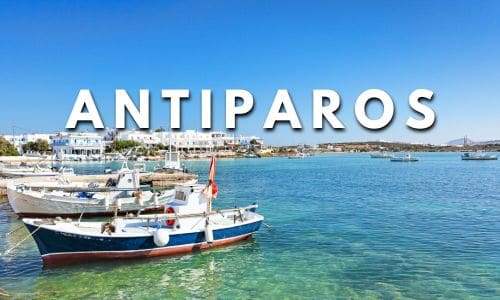
Antiparos instead of Paros
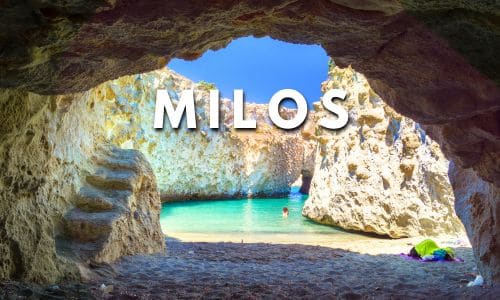
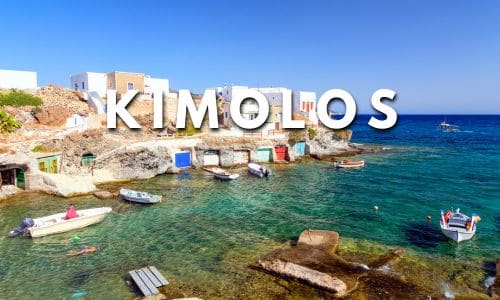
Kimolos instead of Milos
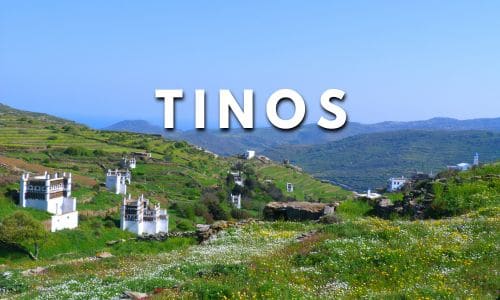
Tinos instead of Mykonos
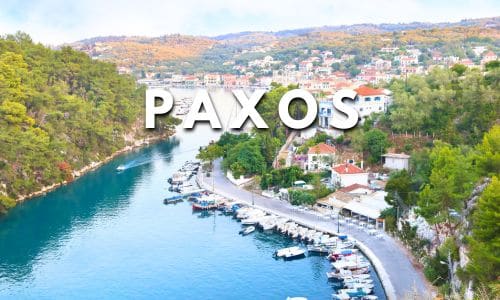
Paxos instead of Corfu
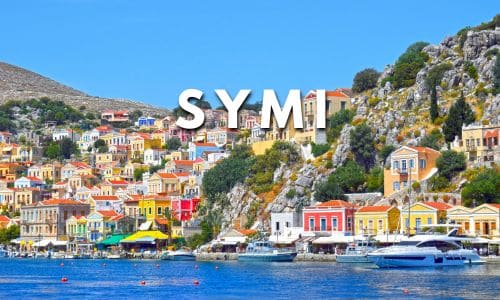
Symi instead of Rhodes
And there are many more!
CYCLADES ISLANDS





IONIAN ISLANDS




DODACANESE ISLANDS

NORTHERN AEGEAN ISLANDS

SARONIC ISLANDS
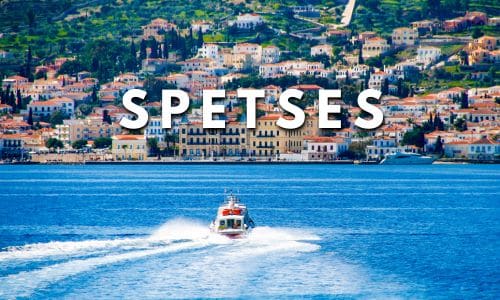
SPORADES ISLANDS

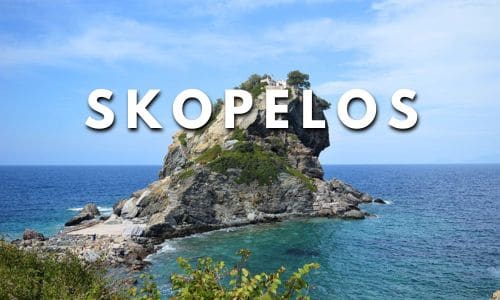
CRETE
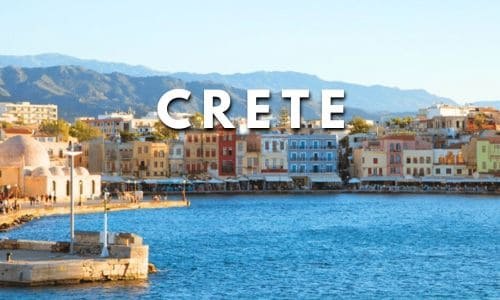
Not sure where to go?
Read our Complete Guide to Greek Island Ferry Hopping Routes first!


Recent Articles
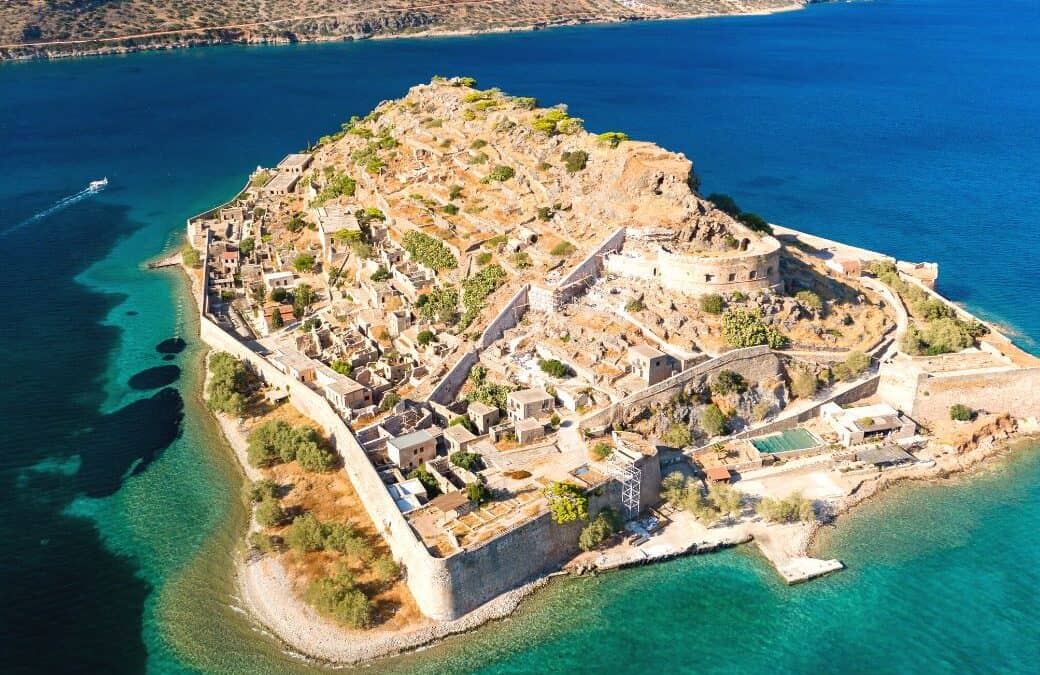
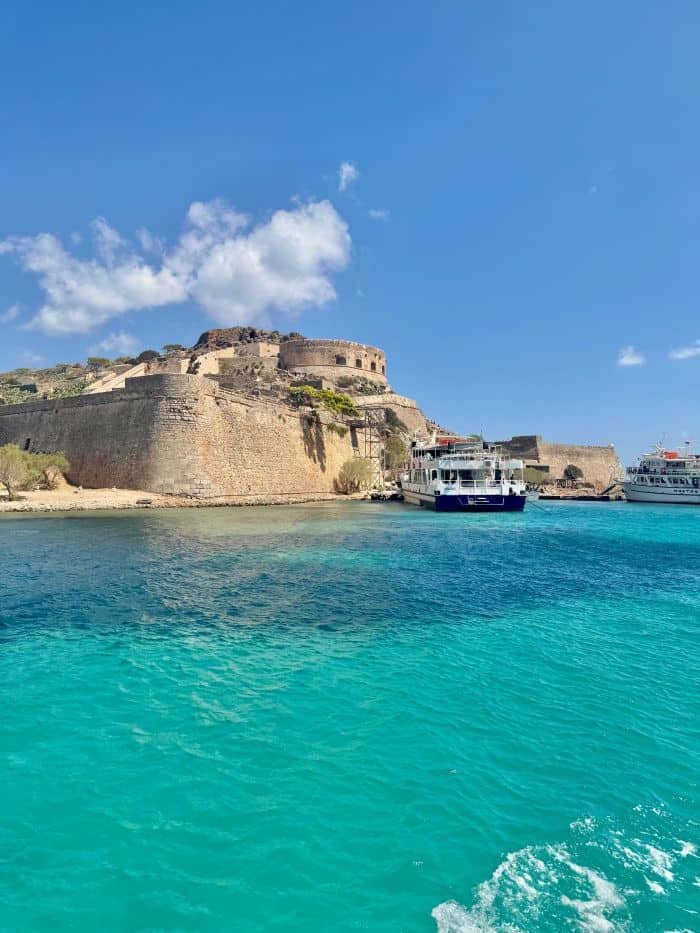
HOW TO GET TO SPINALONGA ISLAND
Spinalonga is a small island located in the Gulf of Elounda in Crete, Greece. It can be accessed...
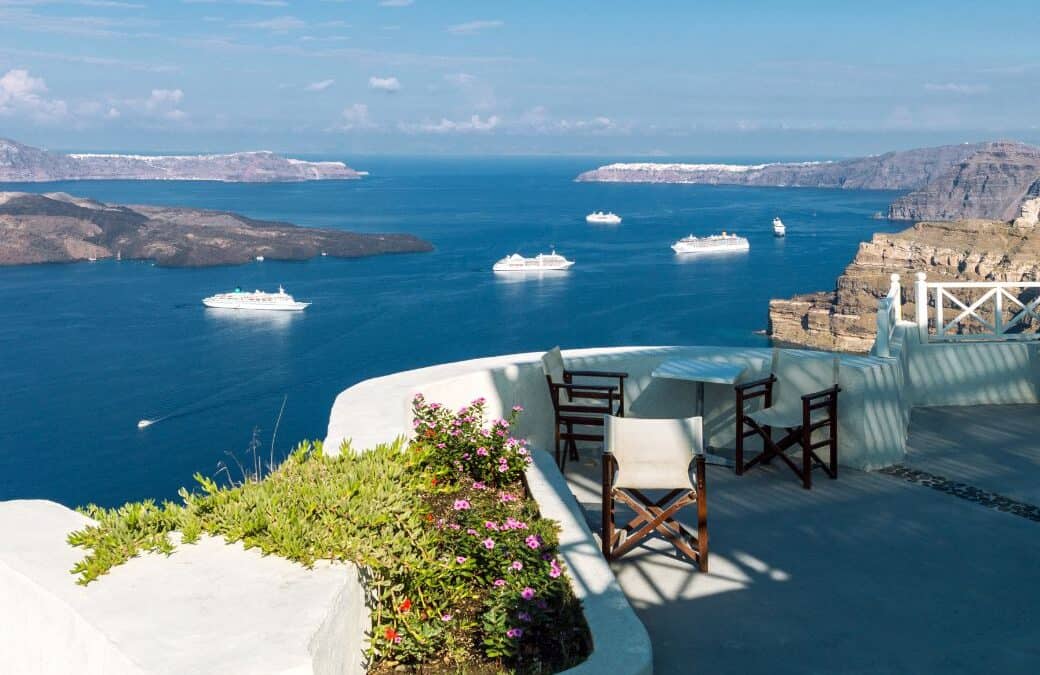
ONE DAY IN SANTORINI
Doing a cruise in Greece is a very popular way to see the Greek Islands, especially for...
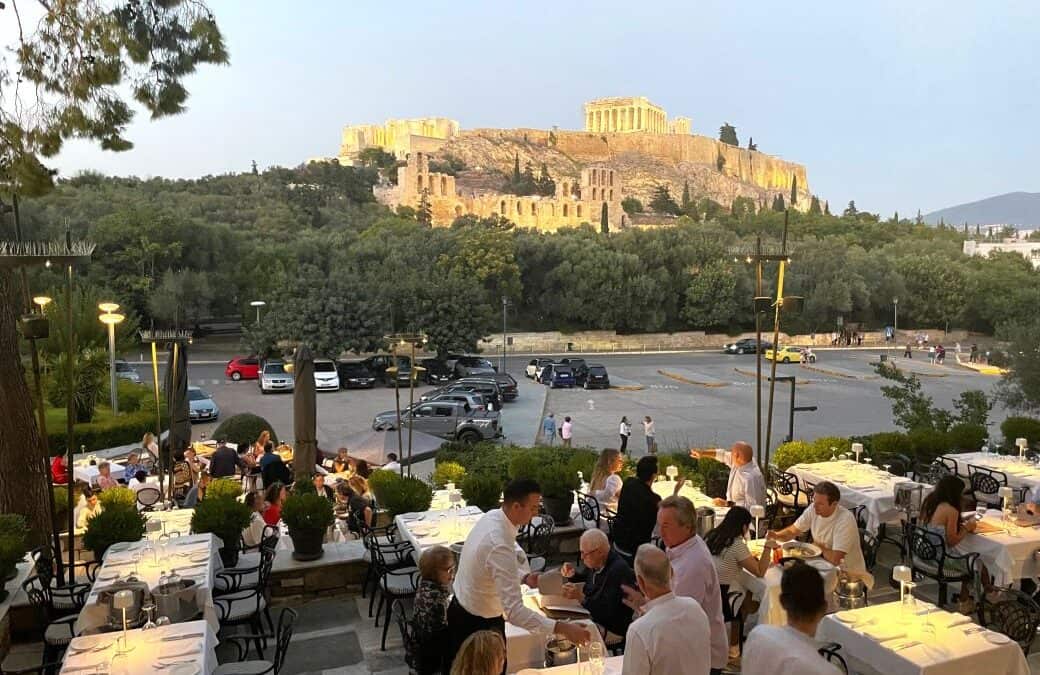
TOP BARS, RESTAURANTS AND TAVERNAS IN GREECE
Greece has been consistently voted as having some of the best food in the world. It is delicious...
