
COUNTRIES NEAR GREECE
For many of us visiting Greece, and indeed, Europe, it is often a long and expensive journey. As a result, many people try to see as much as possible on their trip, and that may well mean more than one country.
Imagine savouring ancient history and seaside views in Greece, then setting sail to Türkiye’s vibrant bazaars and legendary landscapes, Italy’s art-filled cities and charming coastal towns, Malta’s sun-kissed beaches and storied fortresses or Croatia’s stunning islands, waterfalls and rapids.
These nearby destinations offer diverse cultures, flavours, and experiences, each adding a unique layer to your Mediterranean journey. With easy connections and each destination just a short flight or ferry away, you can effortlessly immerse yourself in the timeless beauty, culinary delights, and rich heritage of multiple Mediterranean gems – creating a trip of endless discovery and inspiration.
What to expect
Italy
Expect a seamless pairing with Greece, since both offer huge culture, brilliant food, and photogenic coastlines, but in very different styles.
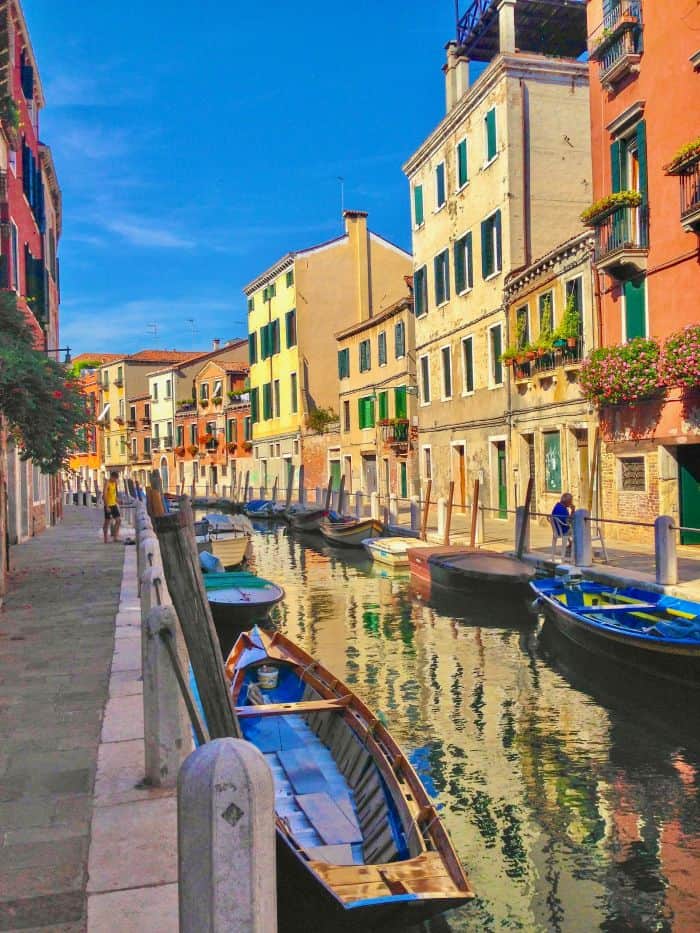
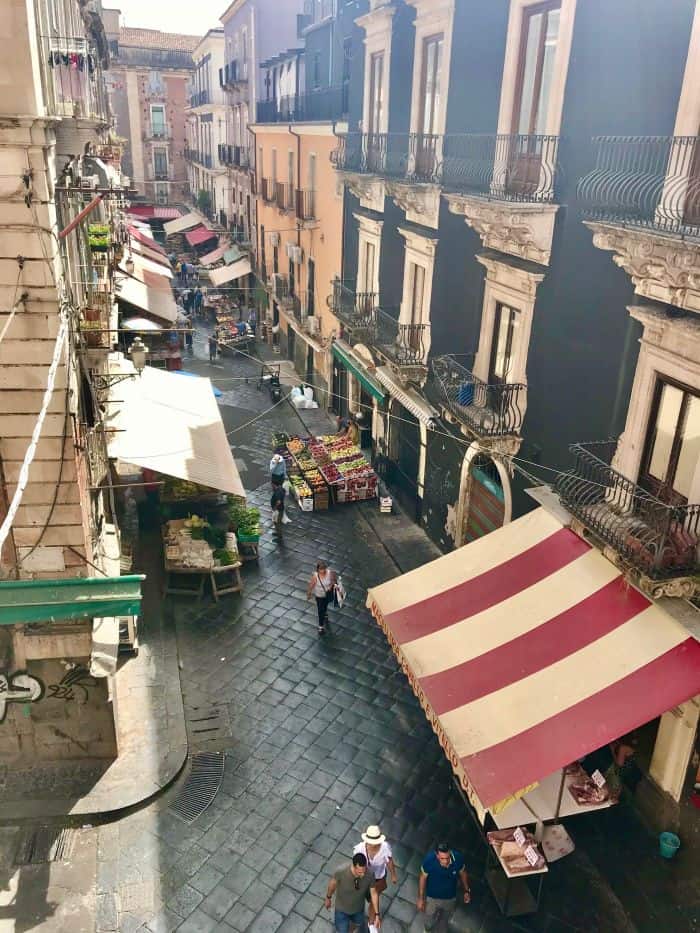
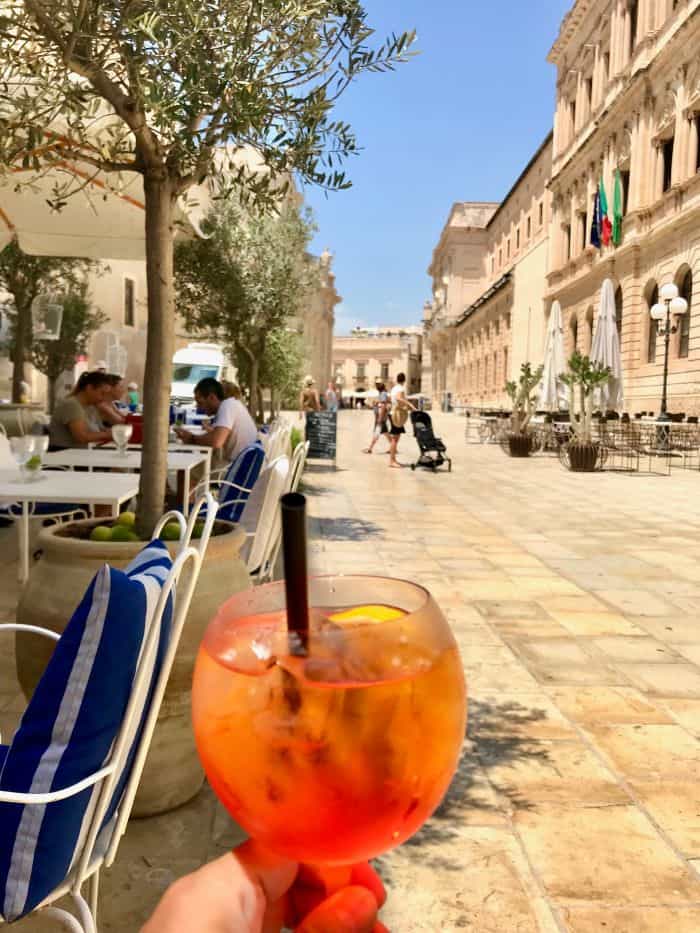
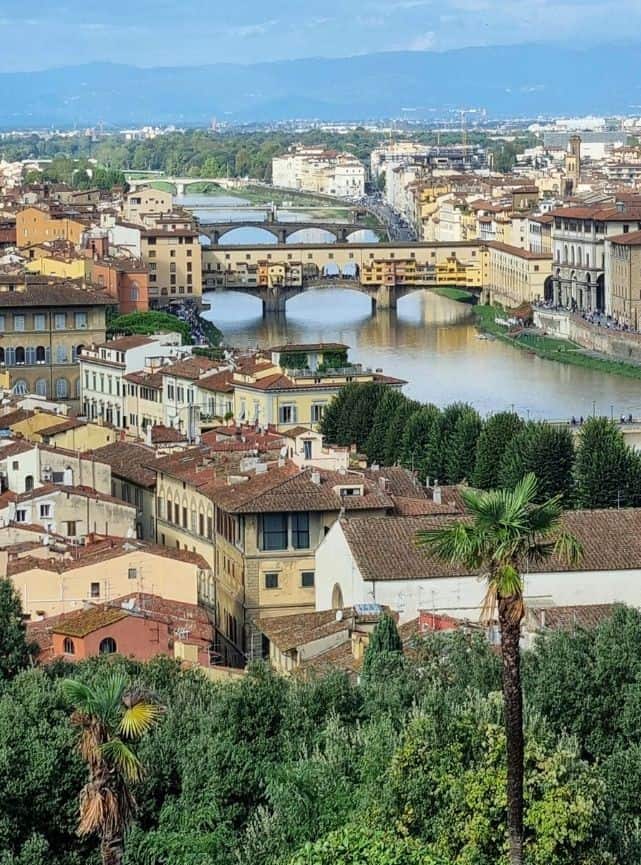
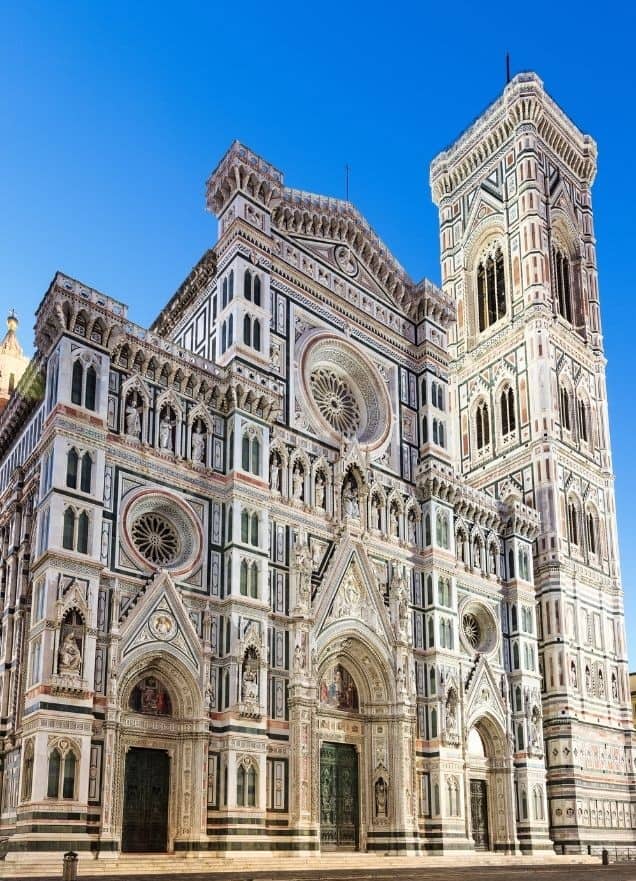
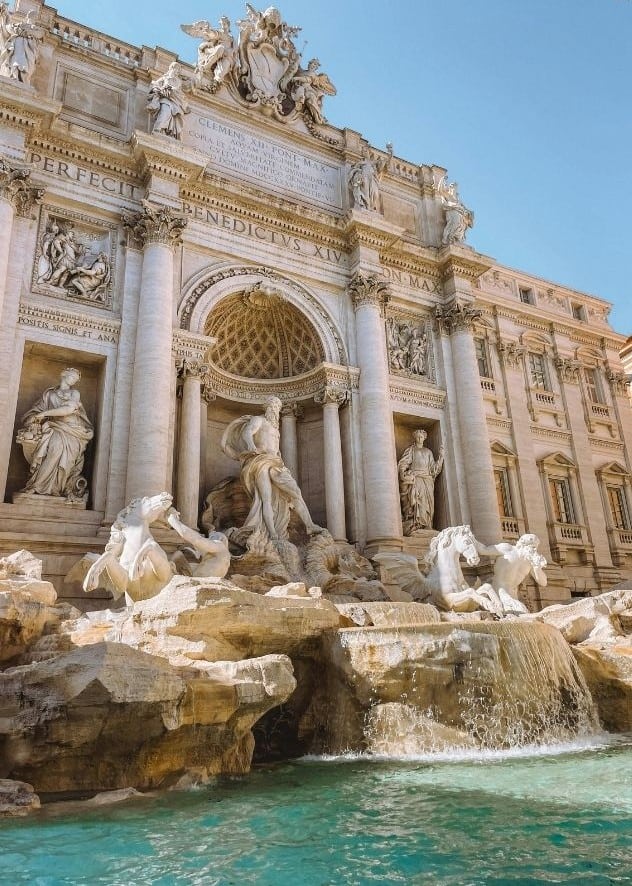
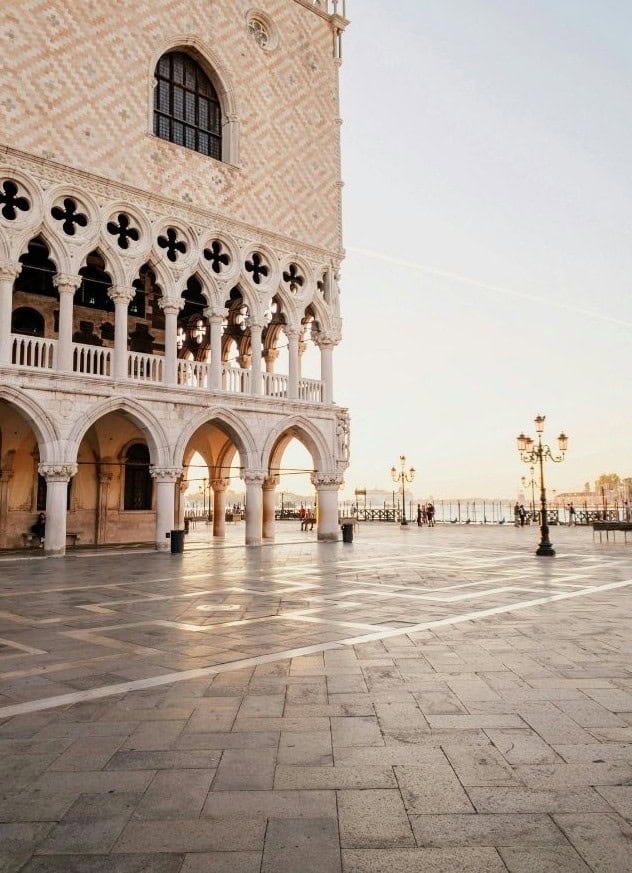
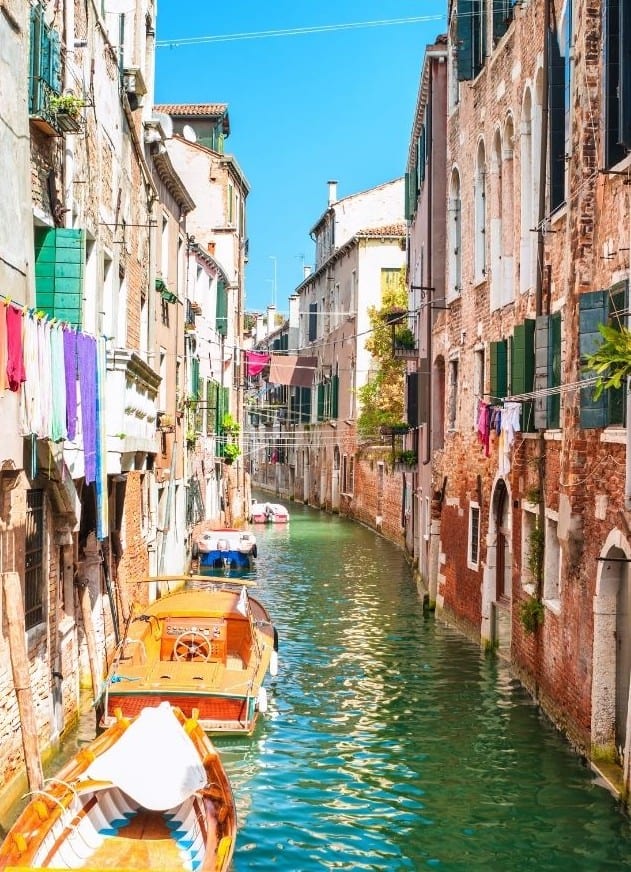
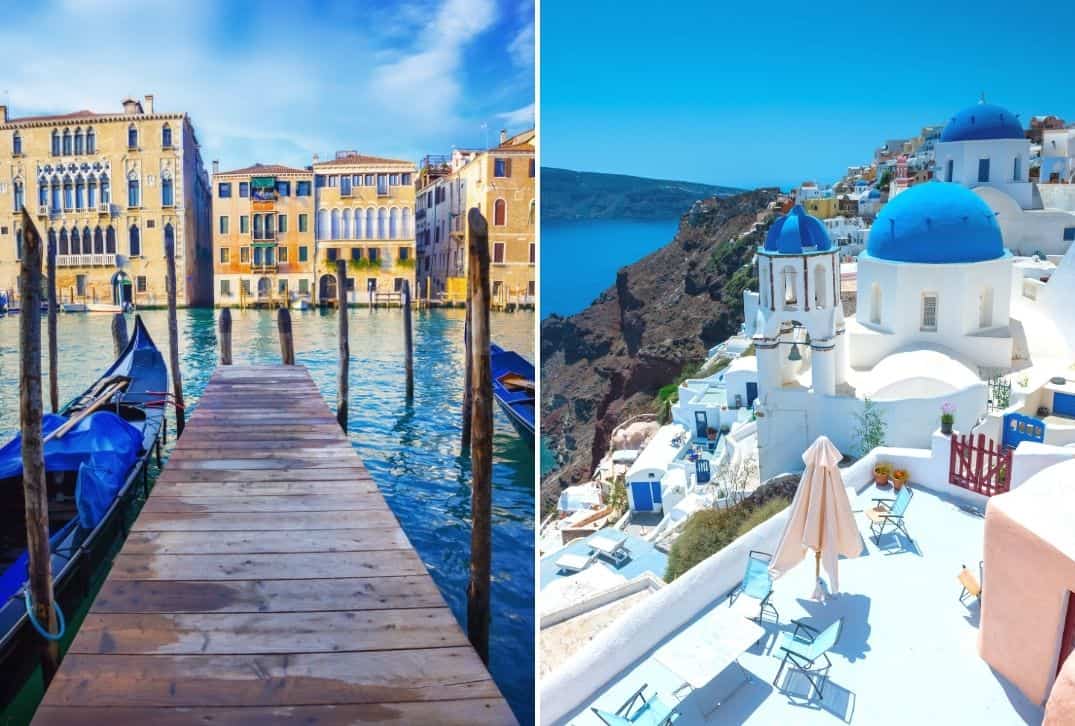
Italy is urban and ornate, with Renaissance art, grand piazzas, efficient trains, and crowds that swell fast in peak season.
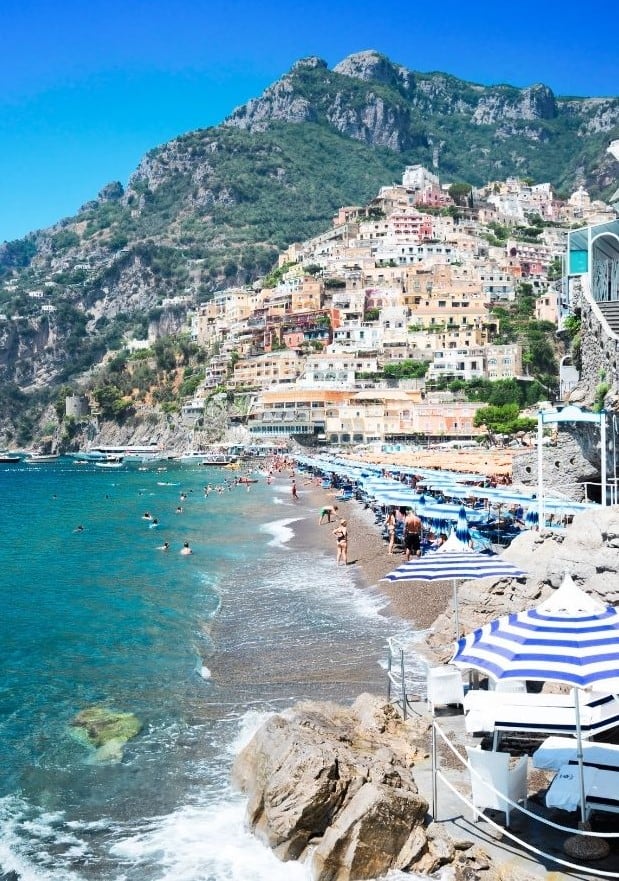
It is usually more expensive than Greece, especially in hotspots like Rome, Venice, and the Amalfi Coast. The contrast works well: one day you are wandering through baroque architecture, the next you are on a relaxed Greek island where life runs at half the speed.
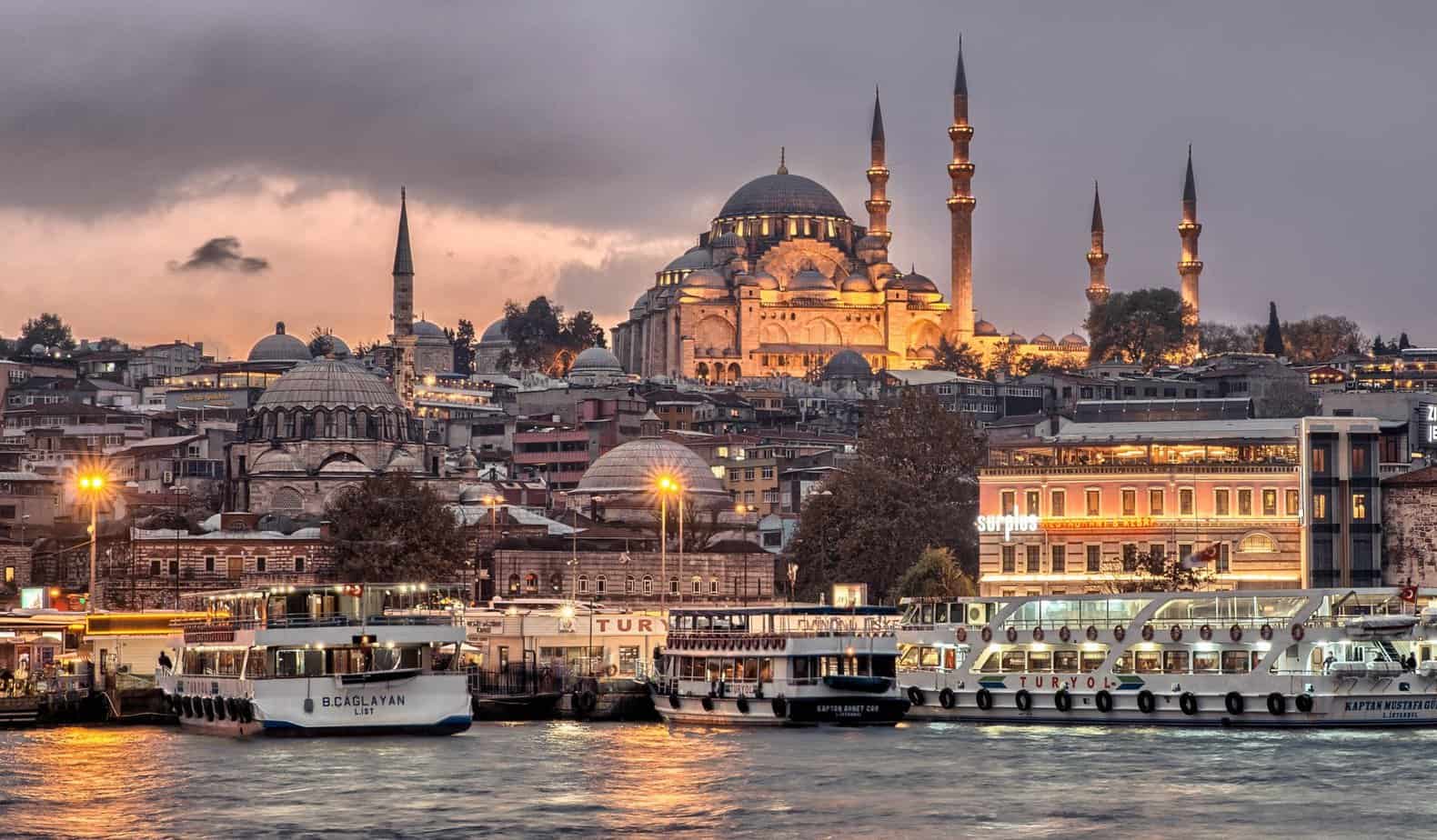
Turkey
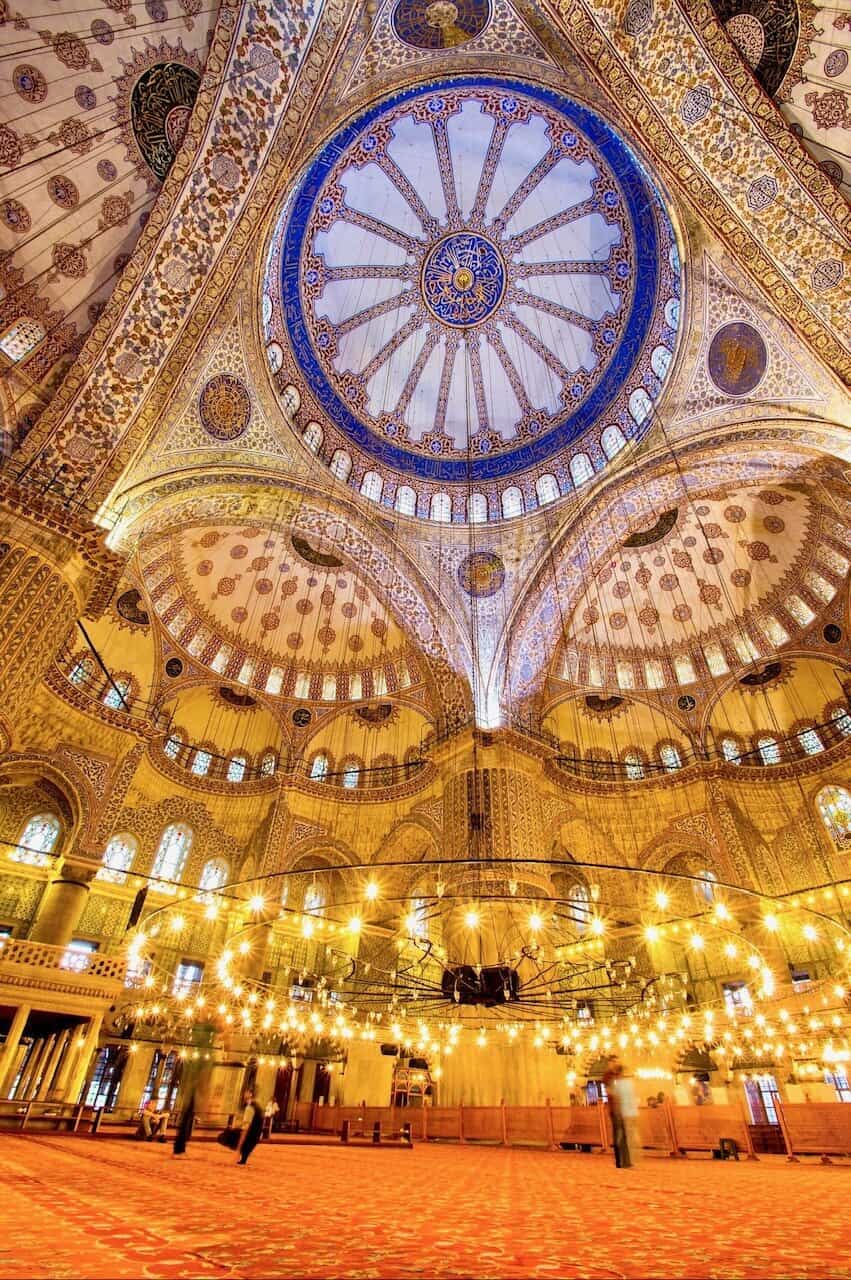
Expect a bigger cultural shift than you get with Italy.
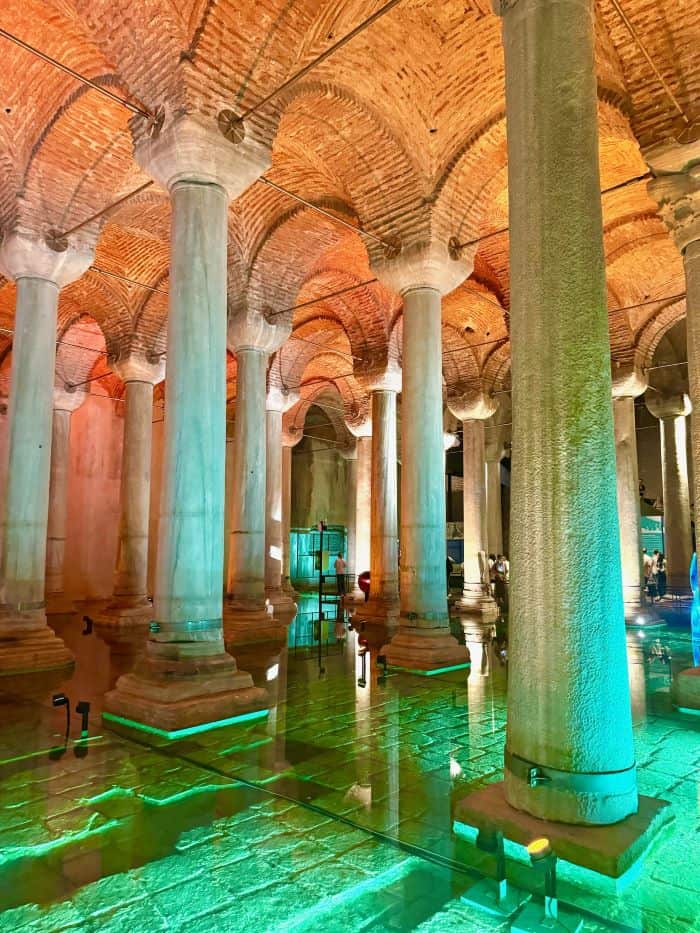
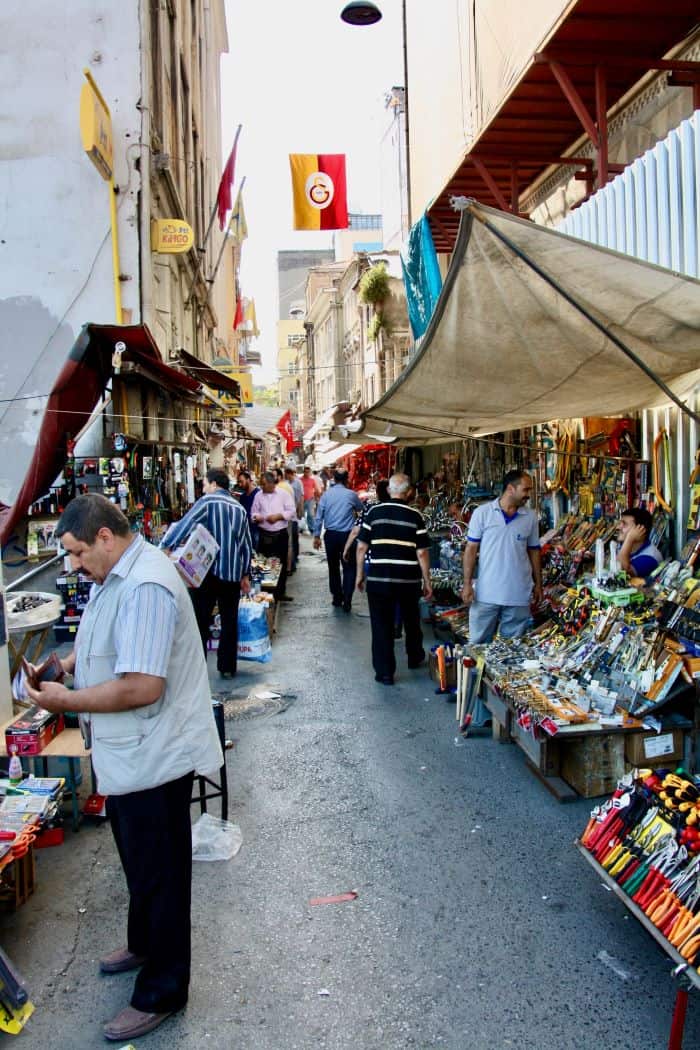
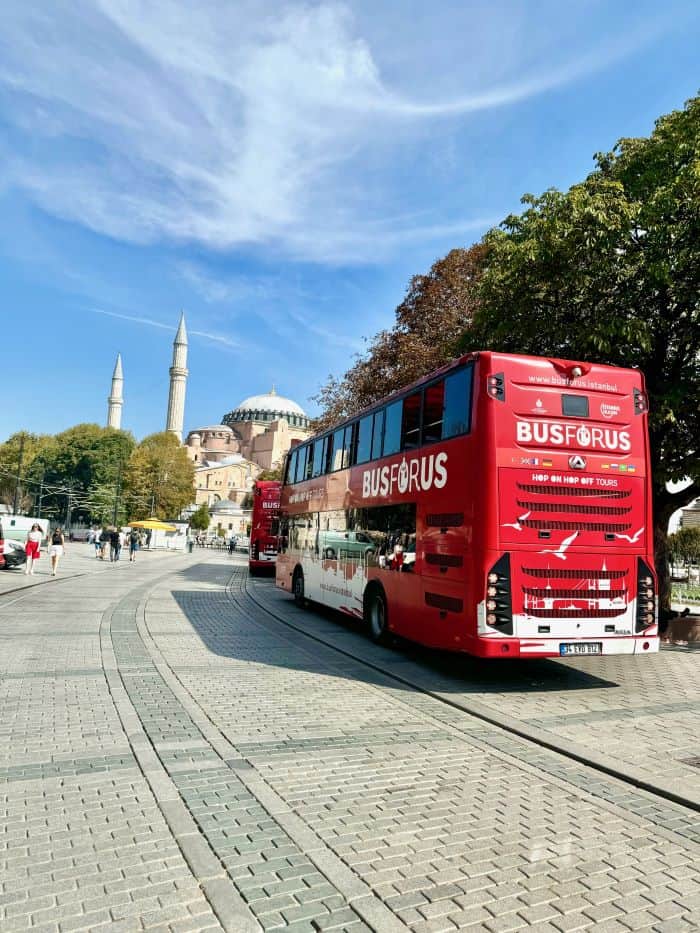
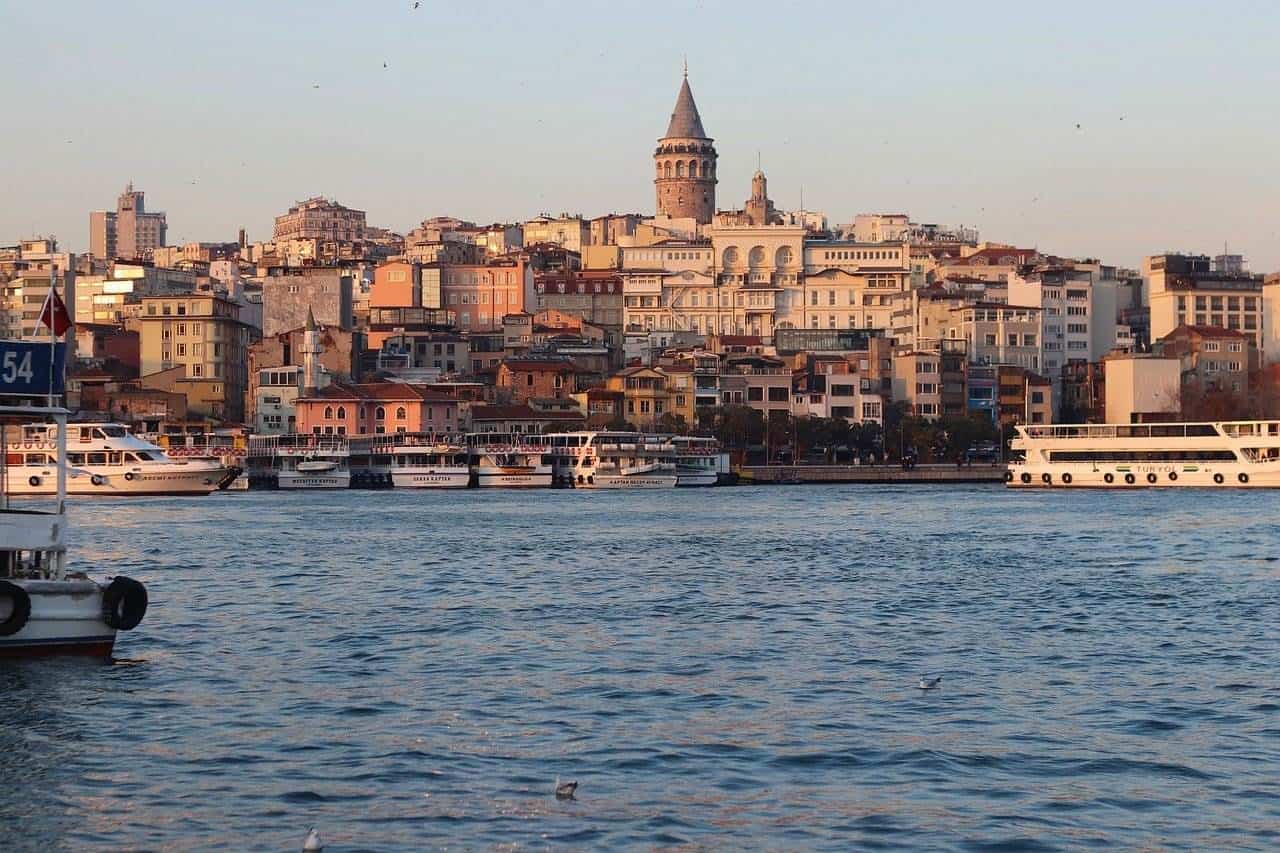
Turkey offers ancient ruins, Ottoman palaces, spice markets, and a coastline every bit as beautiful as the Greek islands, often at a lower price.
Internal flights are common because the country is vast, and Istanbul can feel chaotic if you arrive straight from a quiet Greek island.
The food is rich, earthy, and incredibly varied, and the history shared with Greece adds another layer of interest.
It is a great combo if you want energy and contrast.
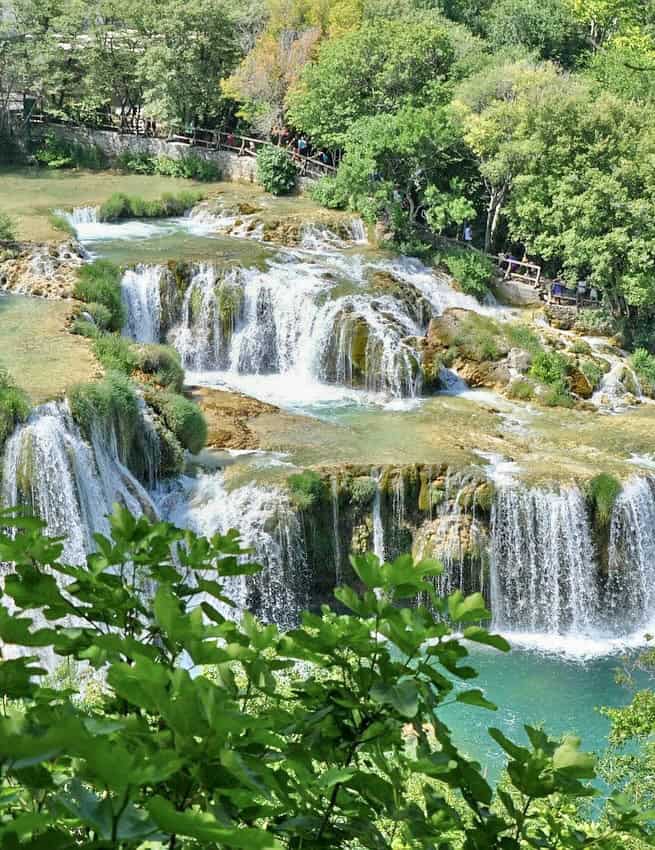
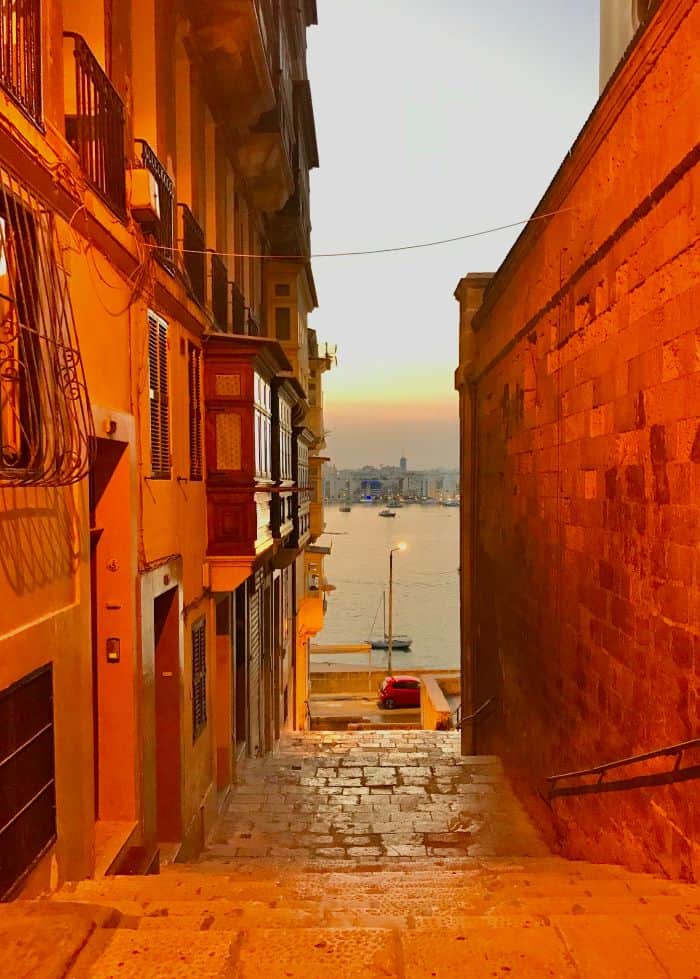
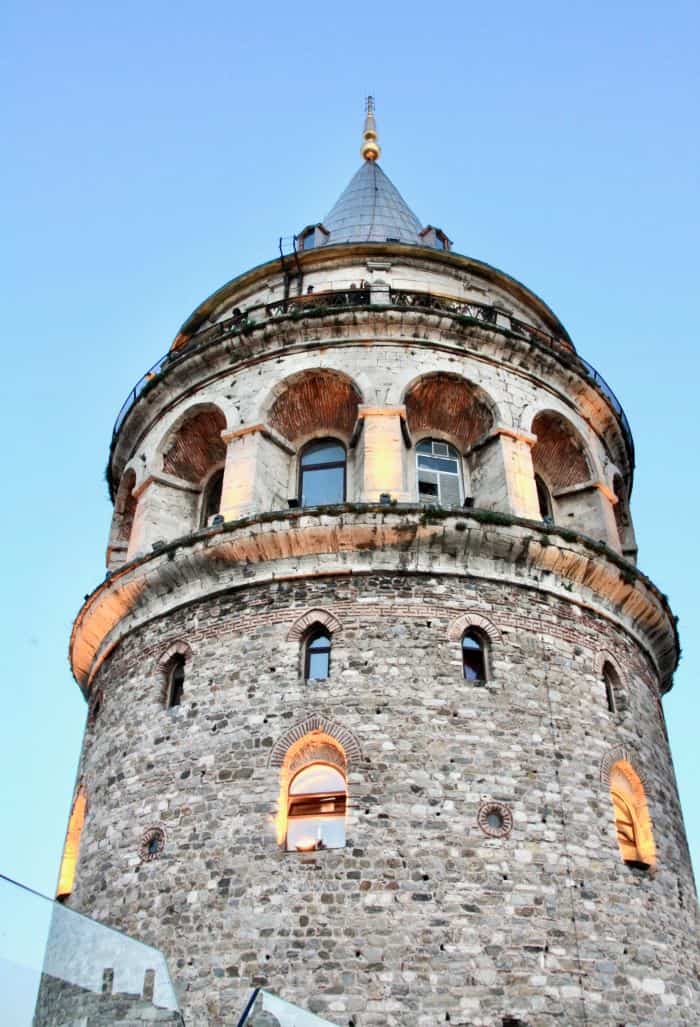

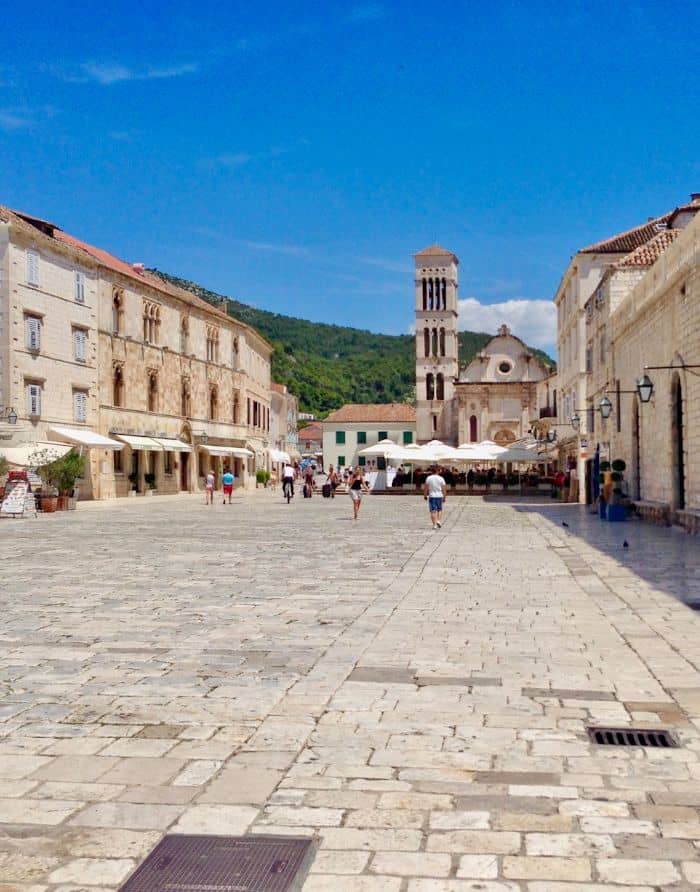


What to expect
Croatia
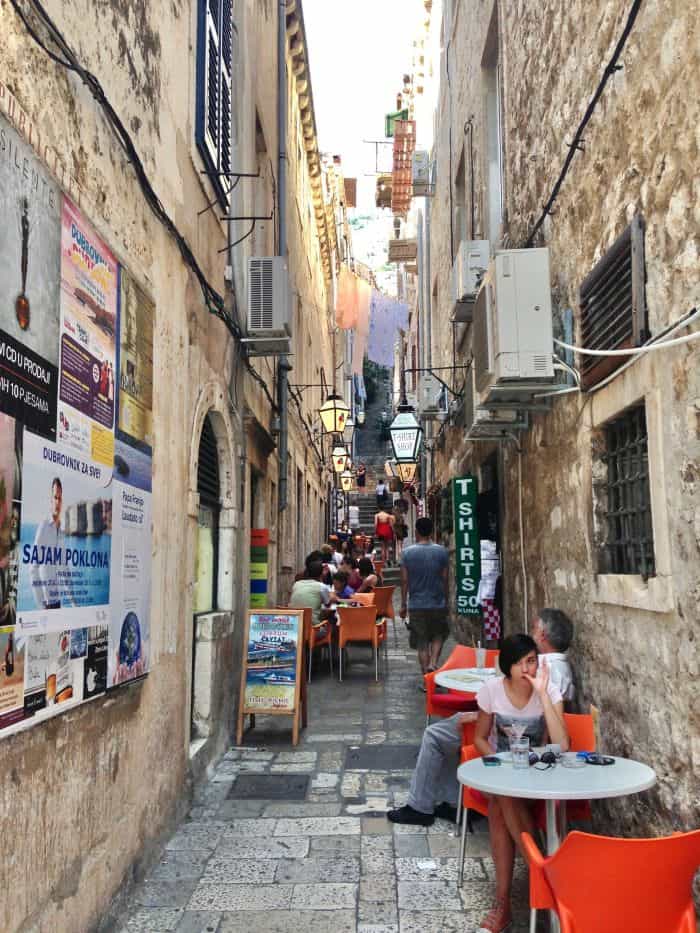
Expect a more rugged Adriatic feel compared to Greece.
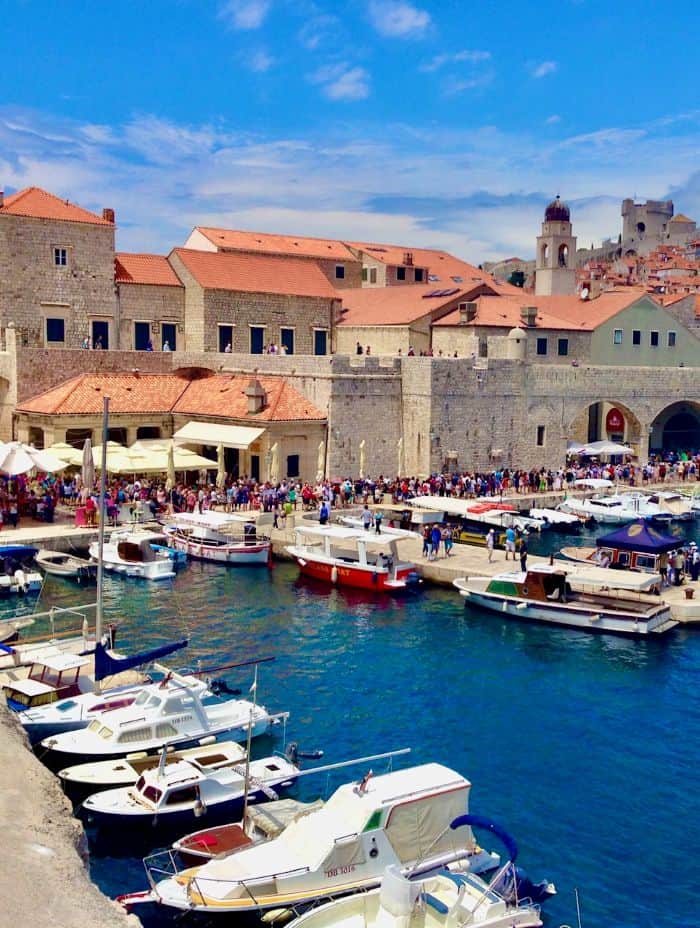
Croatia’s coastline is stunning but leans toward medieval towns, stone architecture, and dramatic cliffs rather than whitewashed villages.
The water is crystal clear, the islands are quieter and more nature focused, and many beaches are pebbly rather than sandy.
Costs sit between Greece and Italy, though Dubrovnik can sting. It works well with Greece if you want sunshine and island hopping, but with a cooler, more Central European flavour.
Malta
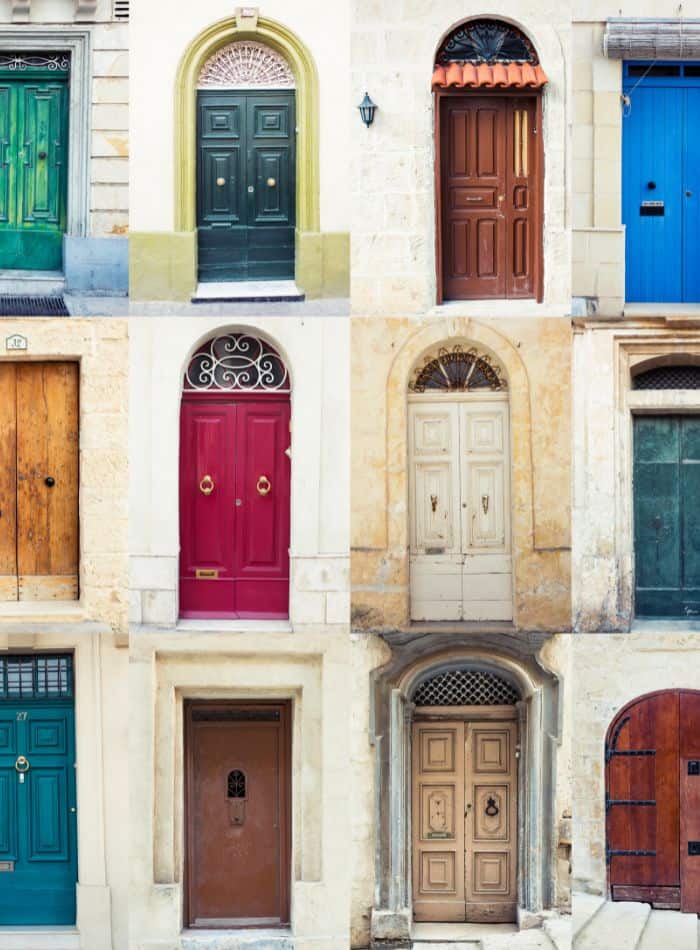
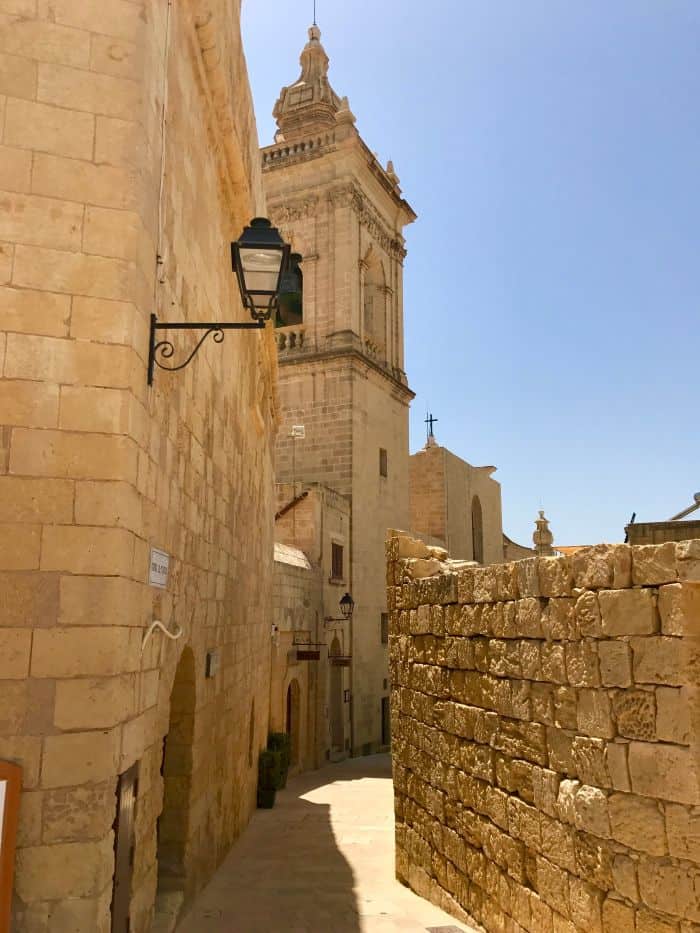
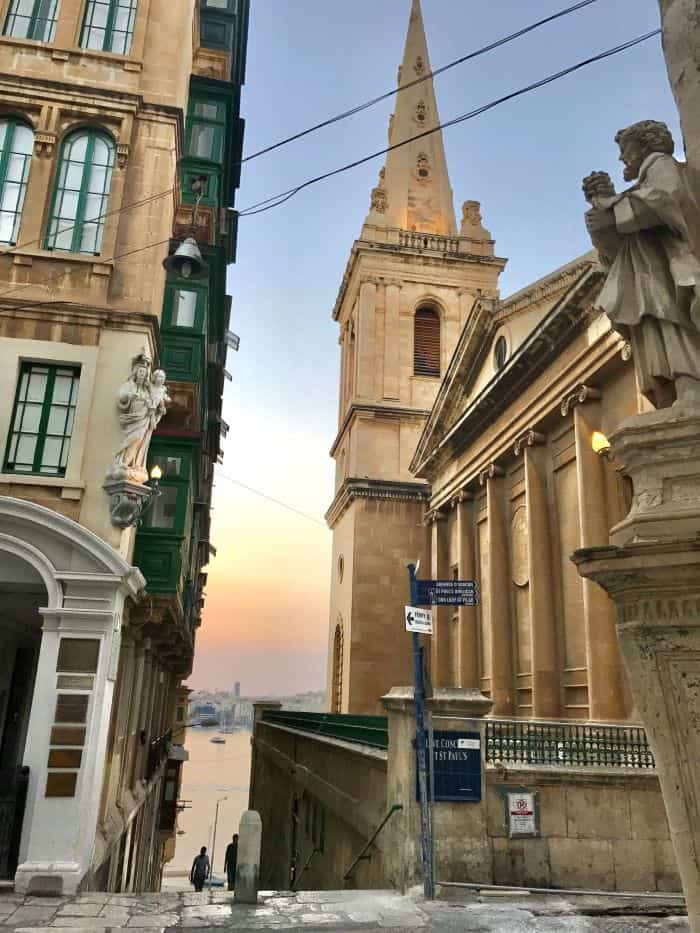
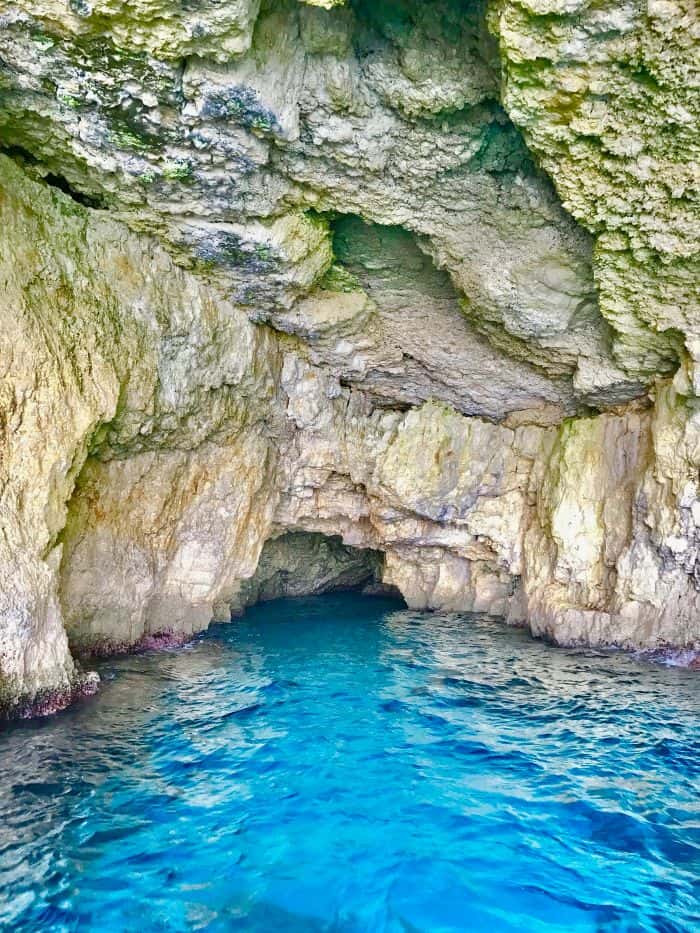
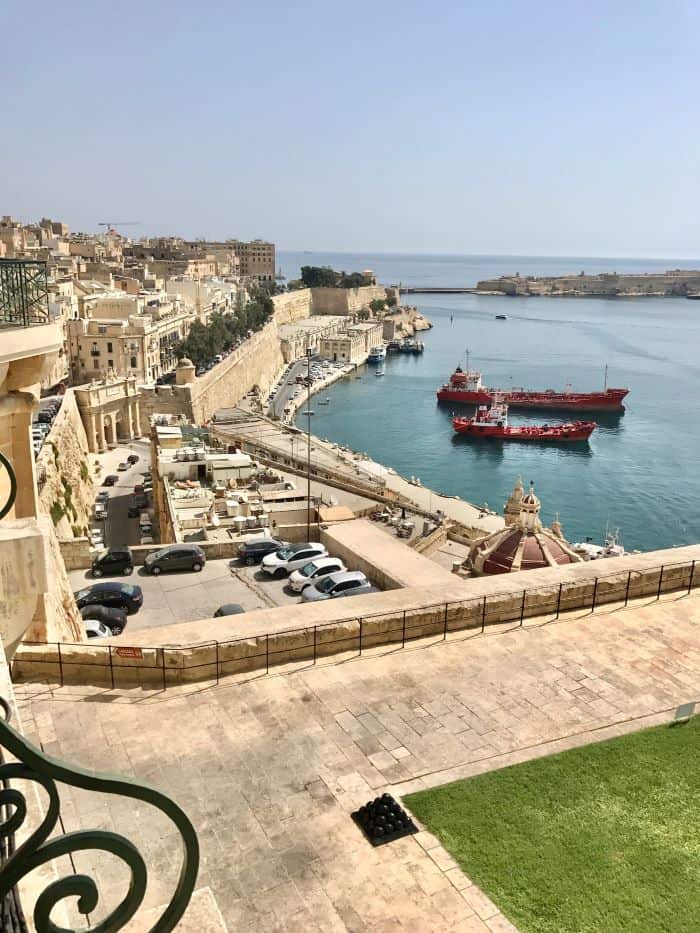
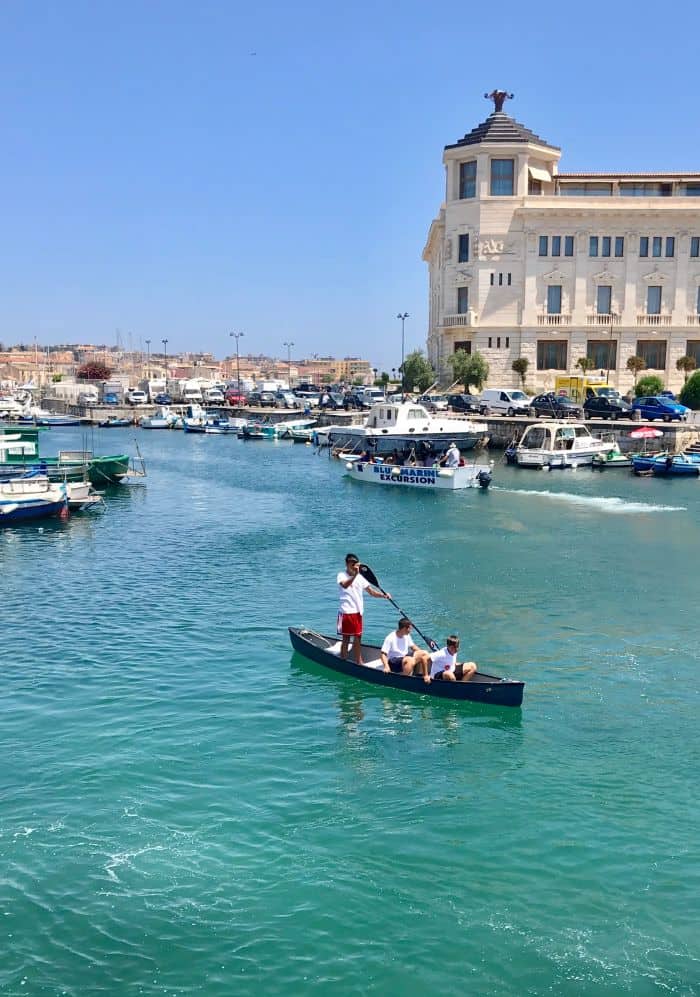
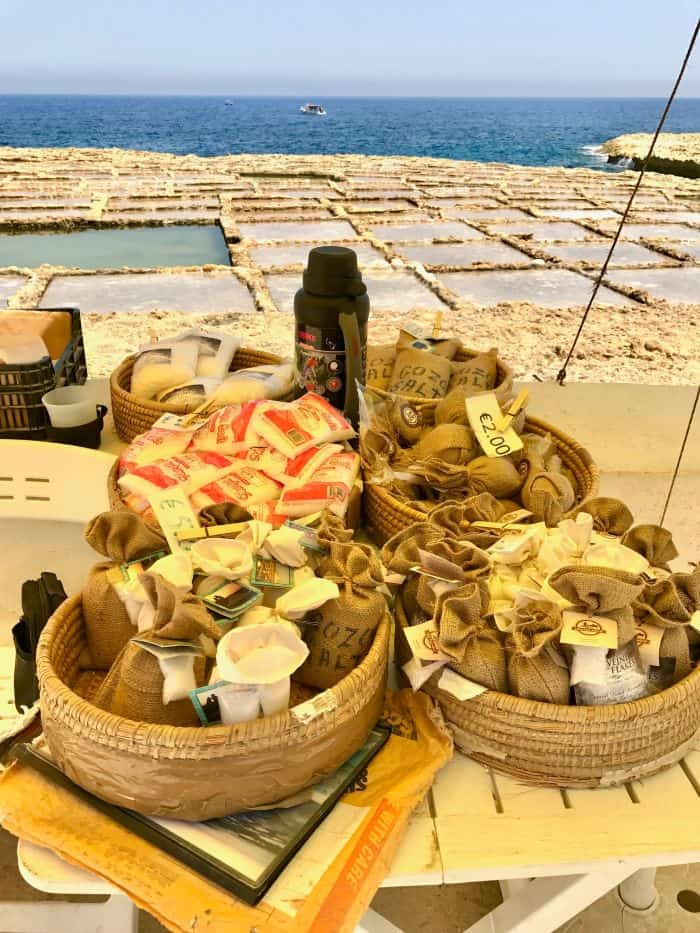
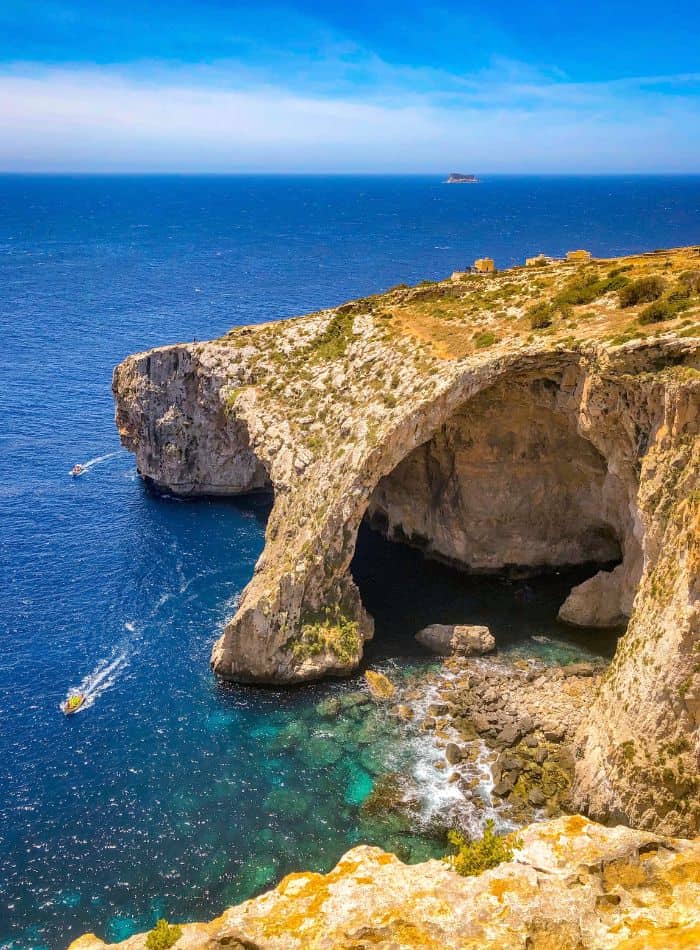
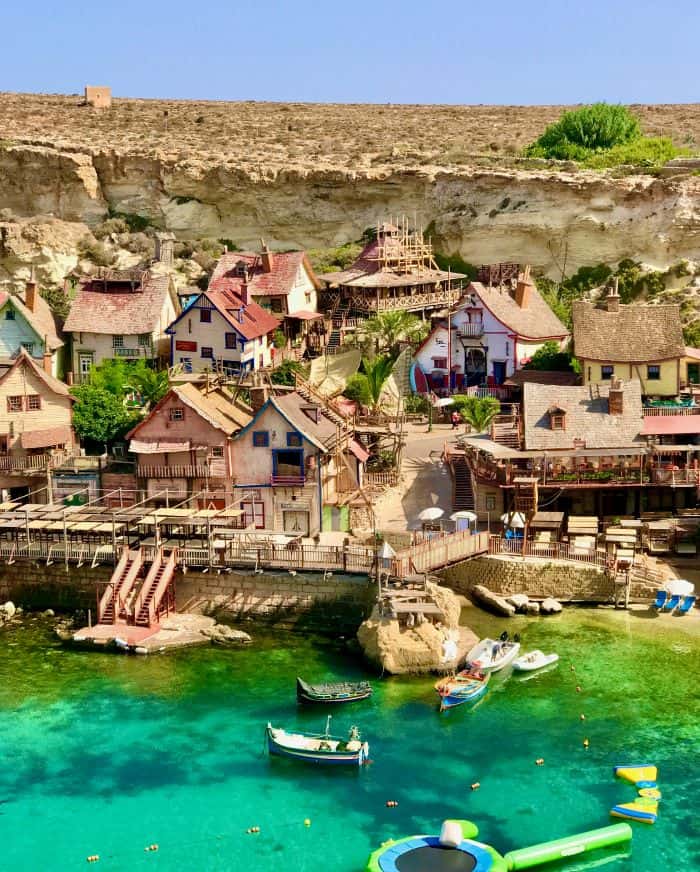
Expect a compact, history-heavy destination with an entirely different atmosphere from Greece.
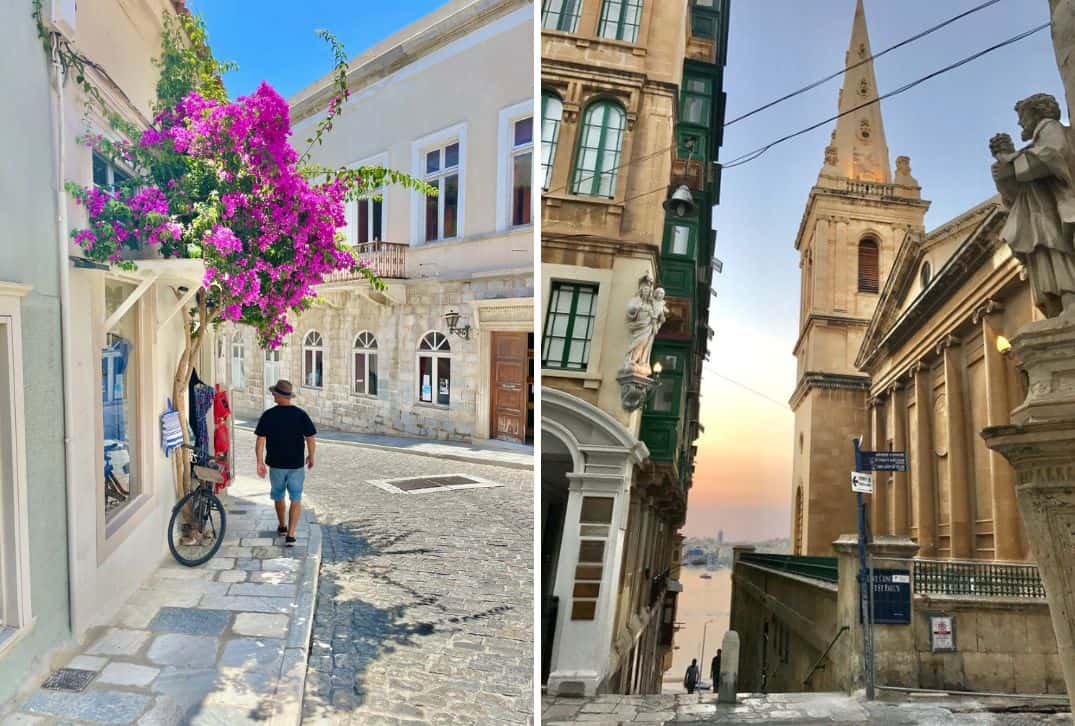
Malta blends ancient temples, fortified cities, and British influence, and it is more urban and denser than most Greek islands.
Public transport is straightforward, food mixes Mediterranean and North African notes, and the coastline is dramatic and rocky, so swimming spots are usually ladders into the sea.
It pairs well with Greece if you want another destination that is quick and easy.
How long should I go to Turkey for?
Turkey is a big country, and the main highlights are scattered across much of the country.
Istanbul needs at least 3 days, and then another 3 would allow you to enjoy Cappadocia or Izmir. 2 weeks is a reasonable amount of time to explore more widely.
How long does Italy need?
Like Greece, Italy tends to be a country that people return to, rather than visit just once.
Rome needs at least 3 days, and then it’s popular to combine it with Florence, the Amalfy Coast, and all Venice – all of which need at least another 3.
How long should I go to Malta for?
Malta is a tiny, compact country, so you can see a lot in a small time. With 3 days, you can cover Valetta and the main island, but 5 days are better so you can include Gozo as well.
How long do I need in Croatia?
Like Greece, Croatia’s highlights are on both the mainland and the islands. This means you need more time to get around, so anything under a week would be very rushed.
Greece and Turkey
Greece and Italy
Greece and Malta

Greece and Croatia
