
Mainland Greece
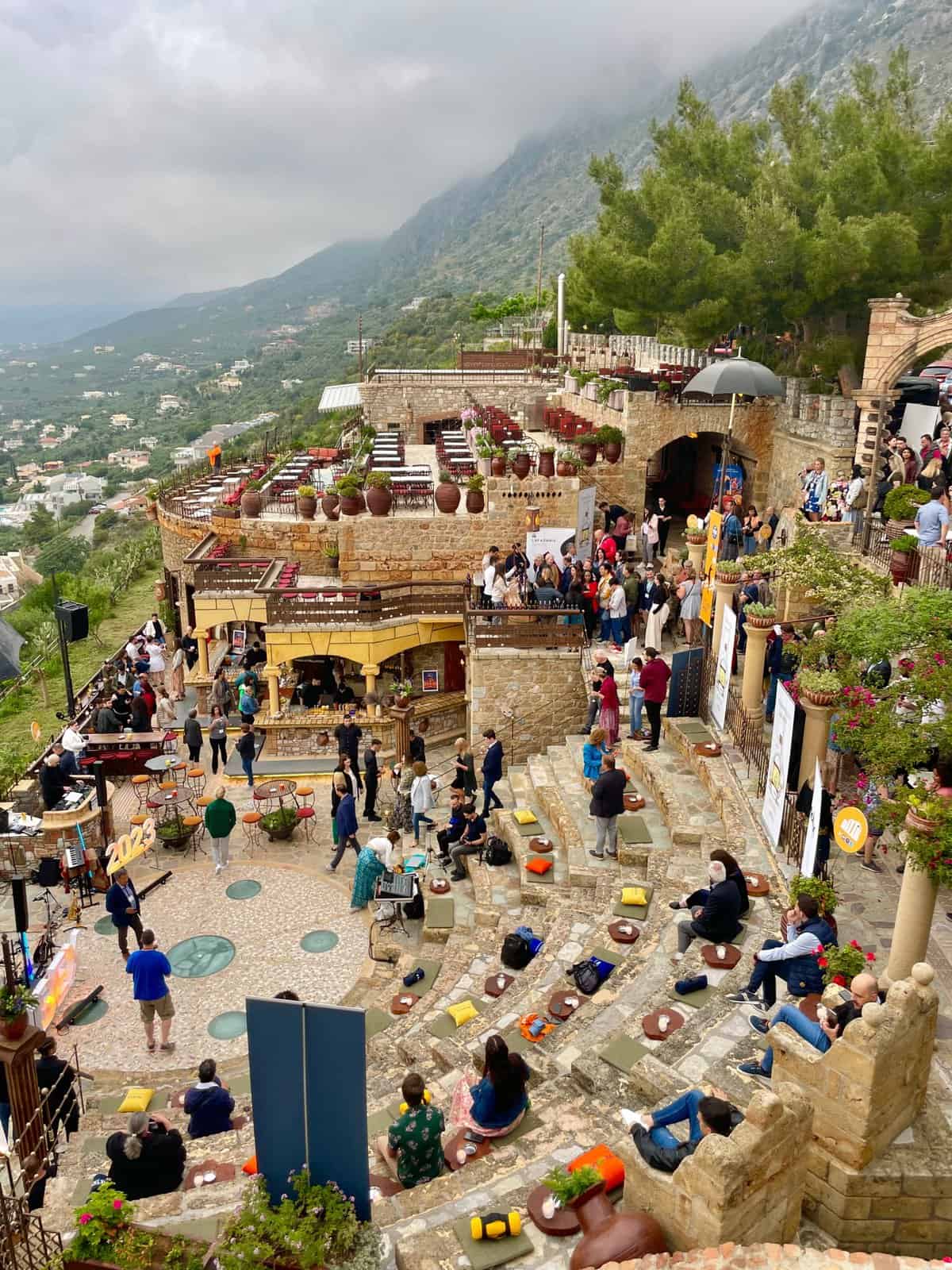
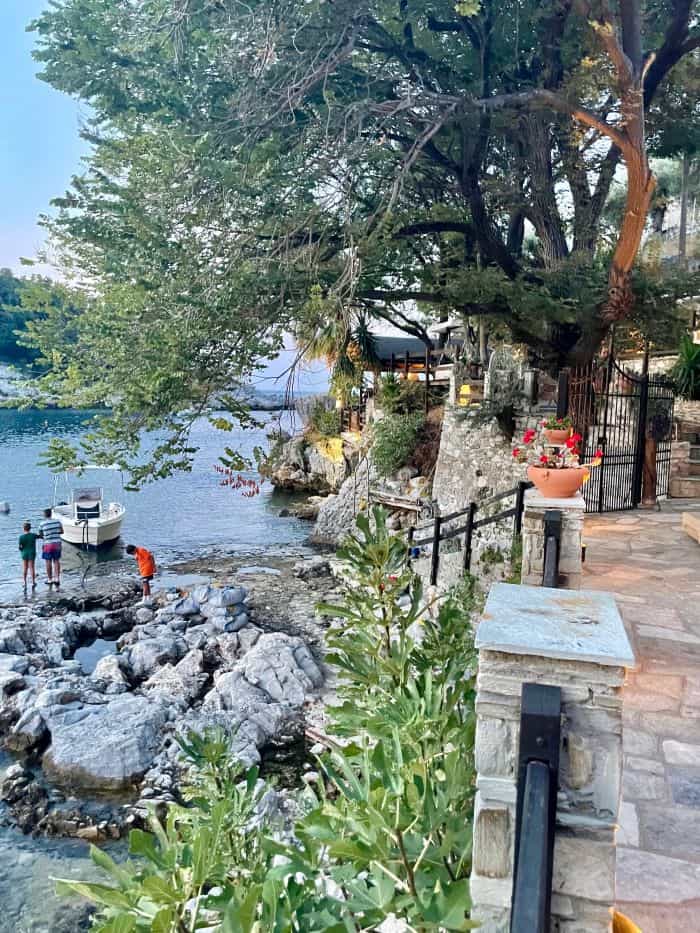
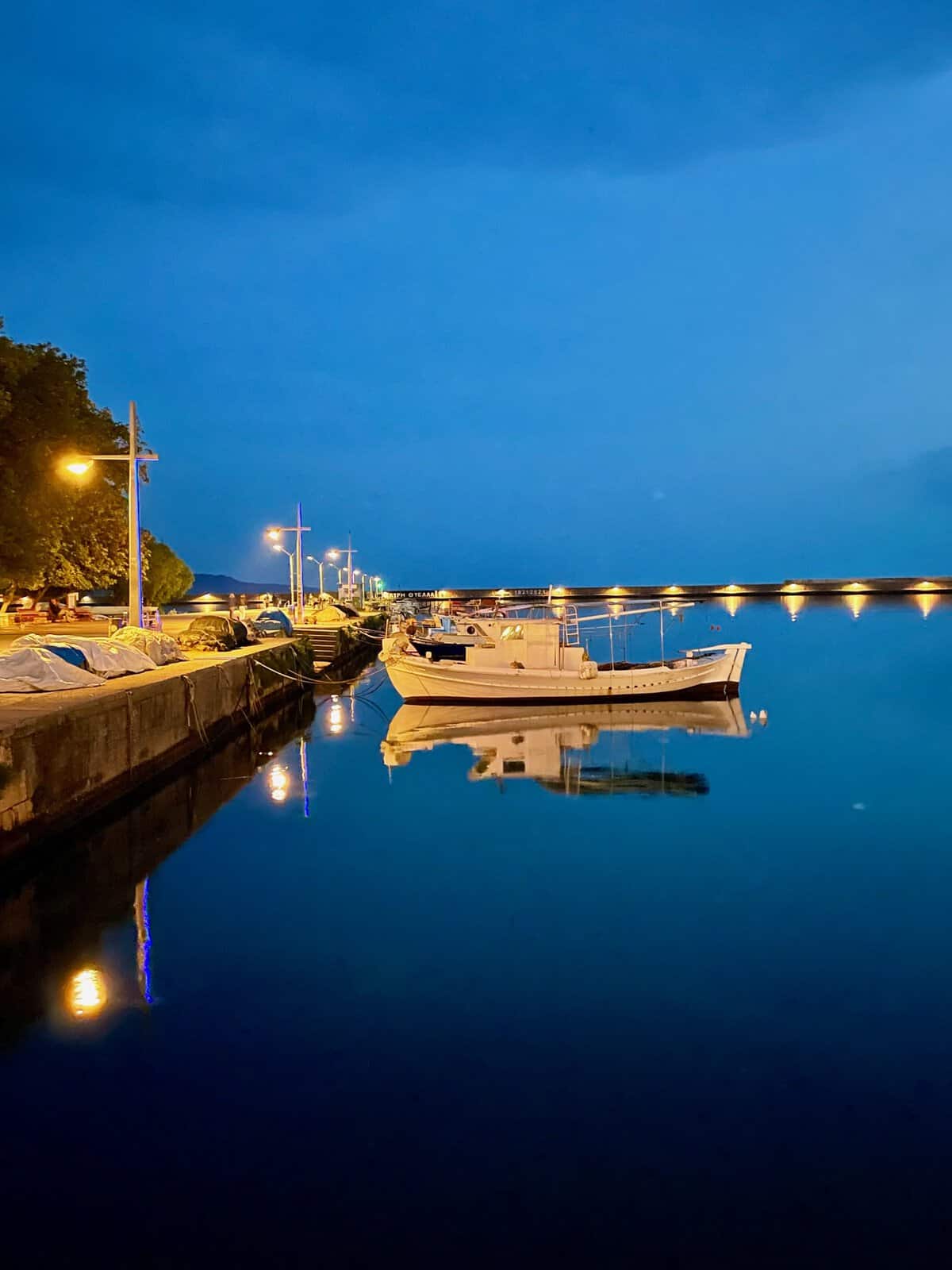
The Greek mainland delivers the full, unfiltered Greece that most travellers miss. Expect a mix of buzzing cities, traditional stone villages, rugged mountains, fertile valleys and long ribbons of coastline that easily rival the islands.
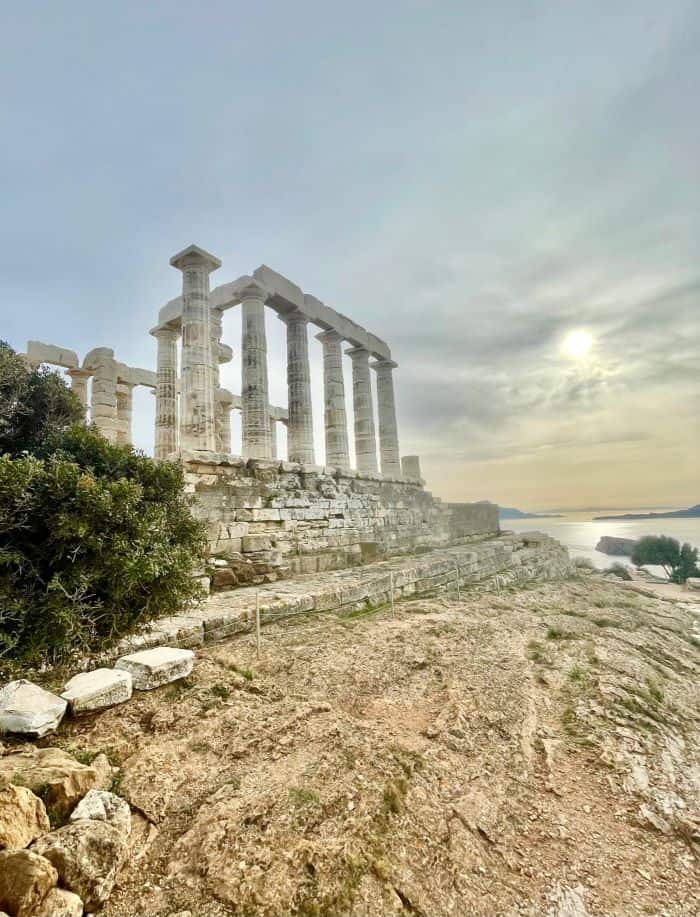
Athens anchors it with world-class museums and ancient landmarks, but the real surprises are everywhere else, from the misty peaks of Epirus to the myth-filled sites of the Peloponnese and the dramatic landscapes of Central Greece.
The food is deeply regional, portions are generous, and the prices are far kinder than on the islands. Travelling by car is straightforward and often the best way to explore, letting you jump between beaches, gorges, vineyards and sleepy towns in a single day. Crowds thin out quickly once you leave the capital, giving you a far more authentic and relaxed experience.
Whether you want history, scenery, wine, hiking, or coastal downtime, the mainland offers the best of Greece without the island chaos or inflated costs.
Many people say the mainland is just as good as the islands and maybe better, and given it is a year-round destination with incredible diversity, we can see why!
Year Round
Unlimited
Mainland
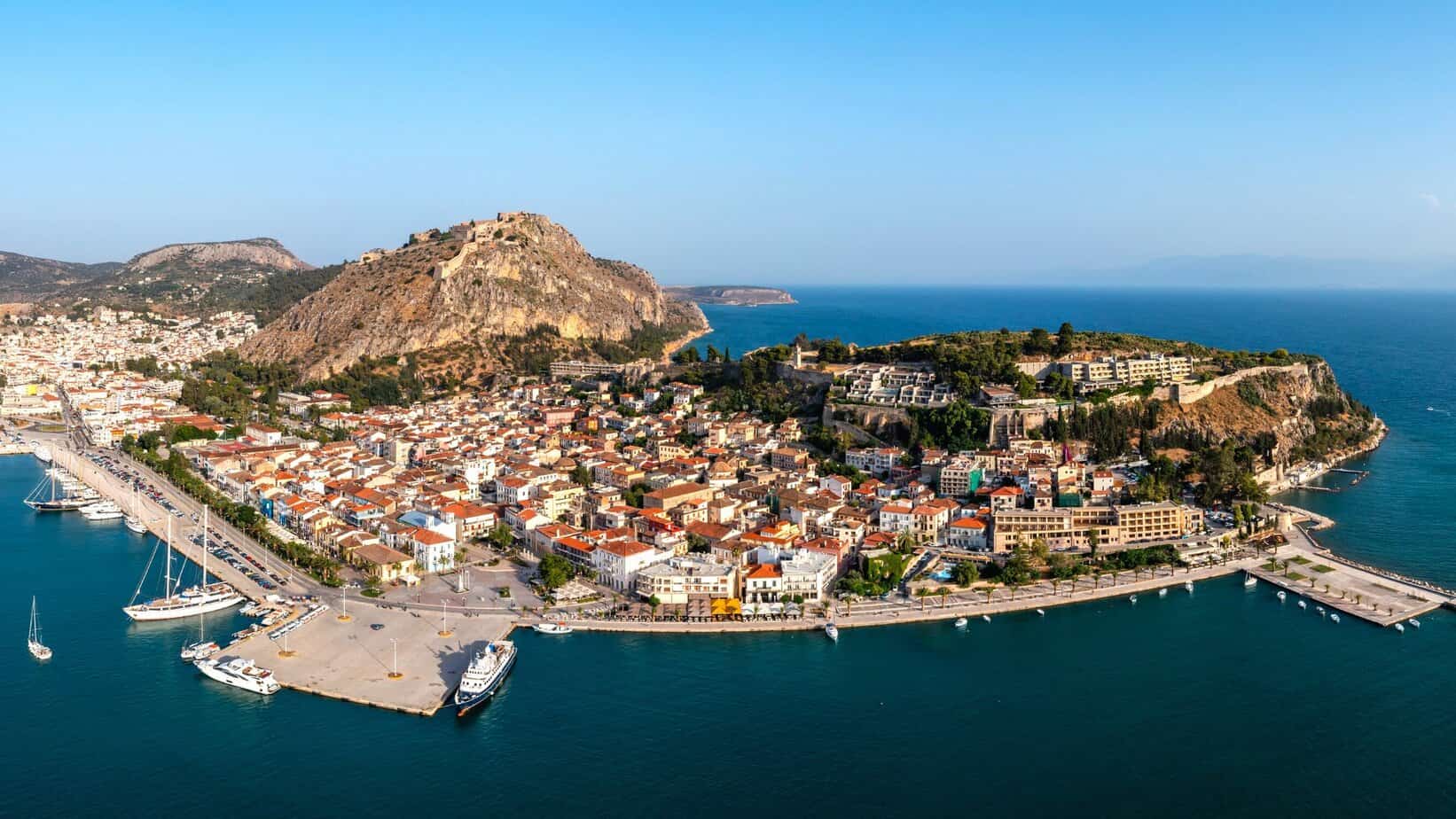
The major Mainland Regions of Greece
Attica
The region surrounding Athens, including the capital, the Athenian Riviera and major cultural institutions.
Central Greece (Sterea Ellada)
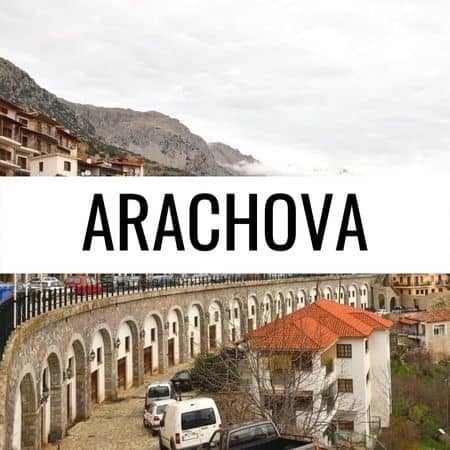
Home to Delphi, Arachova, Livadia and essential mountain ranges. It forms the geographic centre of the mainland.
Peloponnese
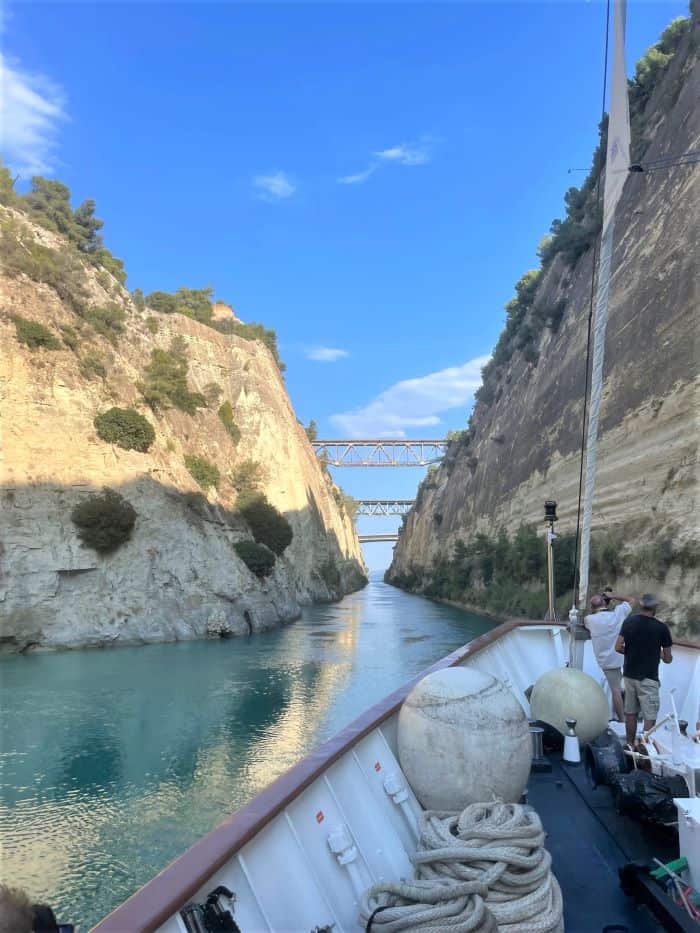
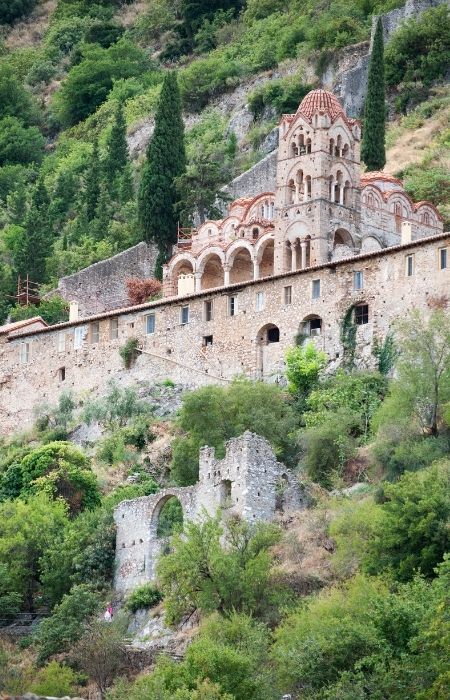
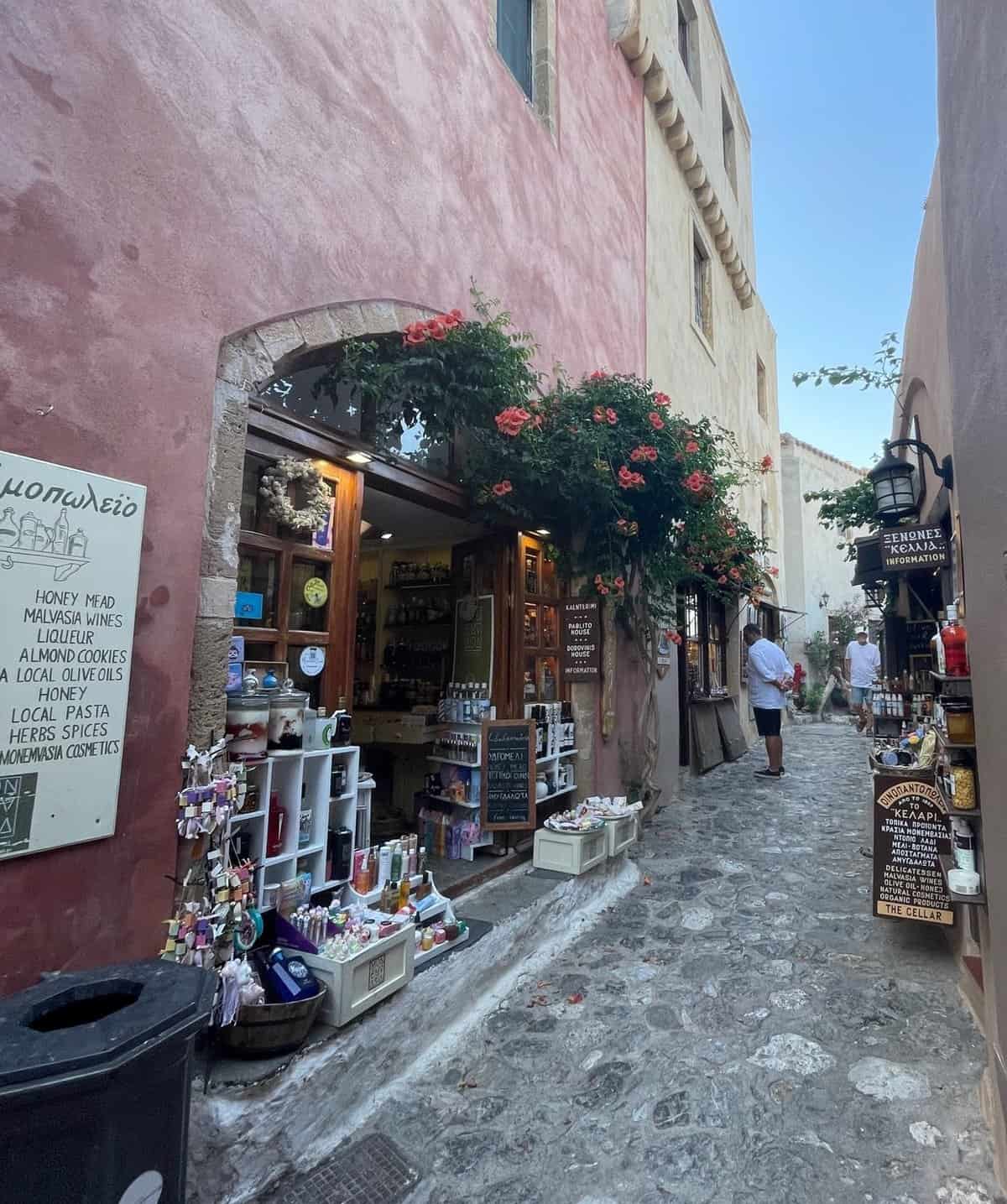
A large peninsula connected to the mainland by the Isthmus of Corinth, known for Nafplio, Mycenae, Epidaurus, Olympia, Mystras, Mani, Monemvasia and Messinia.
Epirus
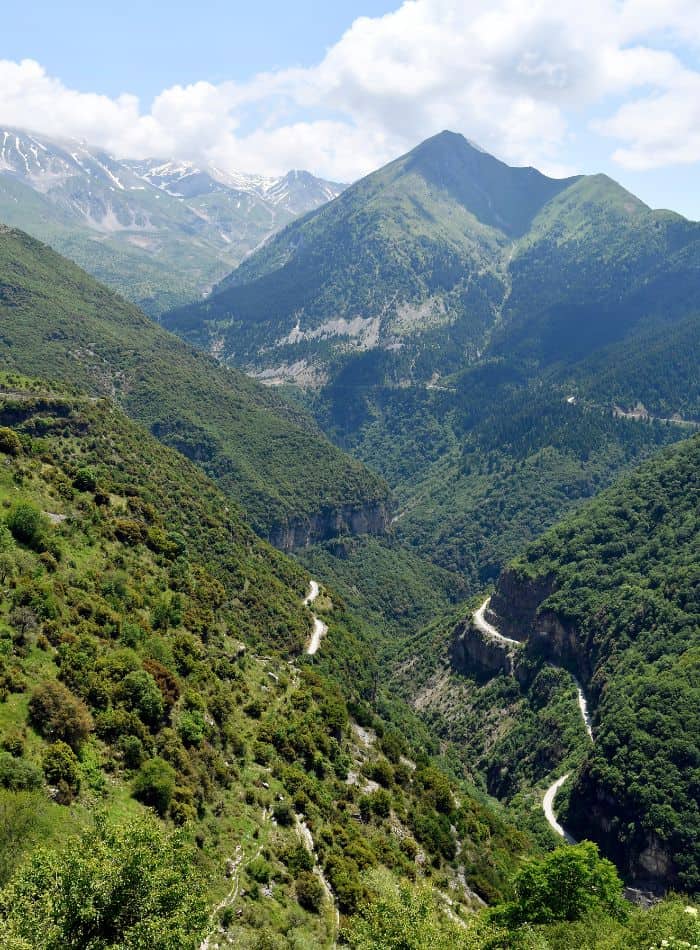
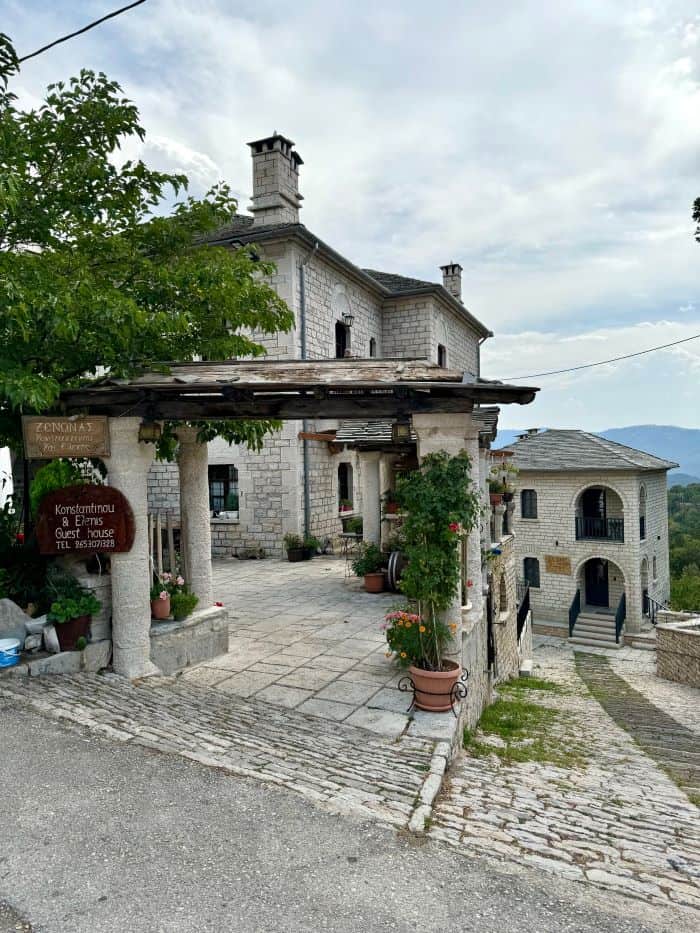
Northwestern Greece is defined by the Pindus Mountains, Zagori villages, Vikos Gorge and the city of Ioannina.
Thessaly
The central northern region, including Meteora, Mount Olympus and the agricultural plains around Larissa.
Macedonia
Northern Greece’s largest region, centred on Thessaloniki, with significant archaeological sites such as Vergina and Pella.
Thrace
The northeastern corner of Greece, bordering Turkey and Bulgaria, is known for lakes, wetlands and multicultural heritage.
Western Greece
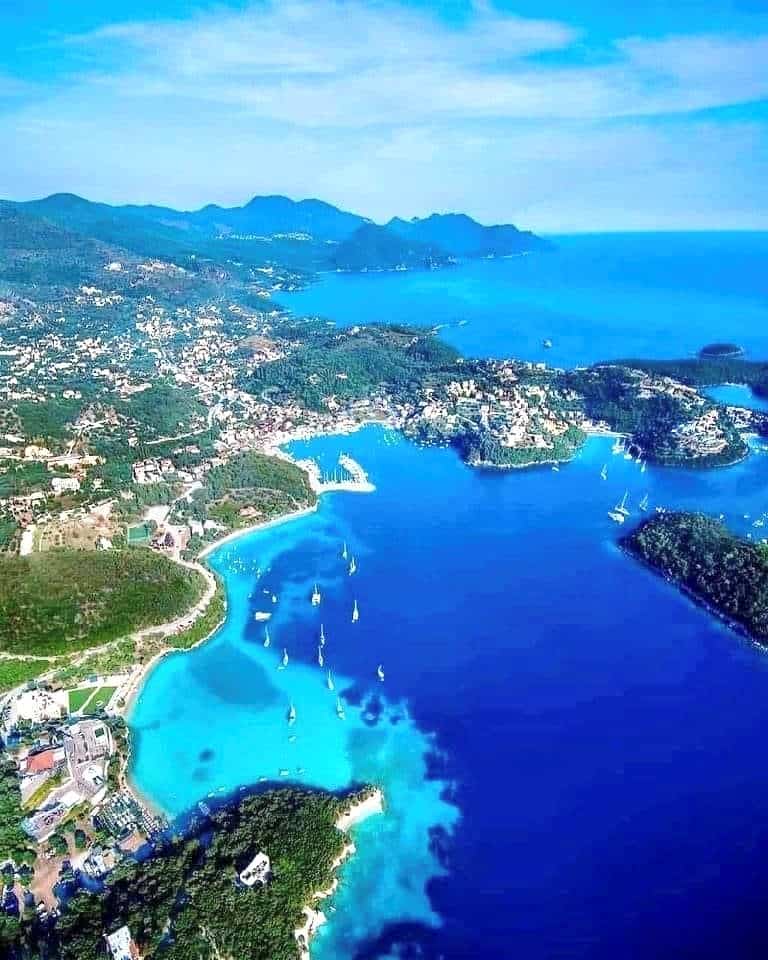
Covers Patras, Messolonghi, Preveza and the coastal areas facing the Ionian Sea, often combined with the Peloponnese in travel planning.
What to expect
The Mainland is the ‘real’ Greece – largely untouched by tourism and home to incredible sites and attractions, including most of the major Mythology destinations.
It delivers the full, unfiltered Greece that most travellers miss. Expect a huge variety, from ancient capitals and world-class archaeological sites to dramatic mountains, lakes, wine regions and long stretches of coast.
It is more authentic, offers better value, and is far less crowded than the major islands, with easy driving routes that let you cover a lot of ground. Whether you want beaches, history, food or scenery, the mainland offers it all without the island hype or the inflated prices.
Language: Greek, but most people in tourist areas speak English ( and more)
Currency: Euro
Credit Cards and ATMs: You can find ATMs all over Greece. Every major town and city has them, even in mini marts, travel agencies and some hotel lobbies. Visa and Mastercard are widely accepted, and in fact, it is illegal for taxis, hotels and any business working in tourism not to accept them. In small villages, you may find cash is better.
Plugs: The plugs in Greece are Type C and F. The standard voltage is 230 V, and the standard frequency is 50Hz. For many people, appliances and devices will work fine, but if you are from the USA, you will need a dual-voltage styling iron or hair dryer.


Best time to visit the Greek Mainland
Year round

How long to go for
8 – 10 days if perfect

How to get around
Driving is best, but otherwise, the bus system is good, and you can catch trains to a few places. You can also fly between Athens and Ioannina, Thessaloniki and Kalamata.
What are the highlights of Mainland Greece?
Mainland Greece packs a punch; you just have to know where to look.
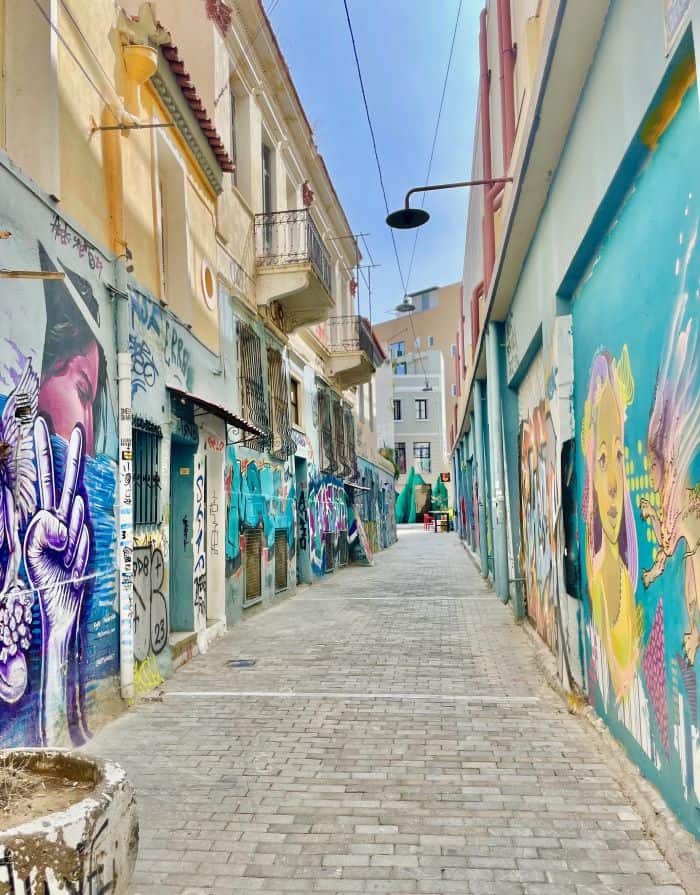
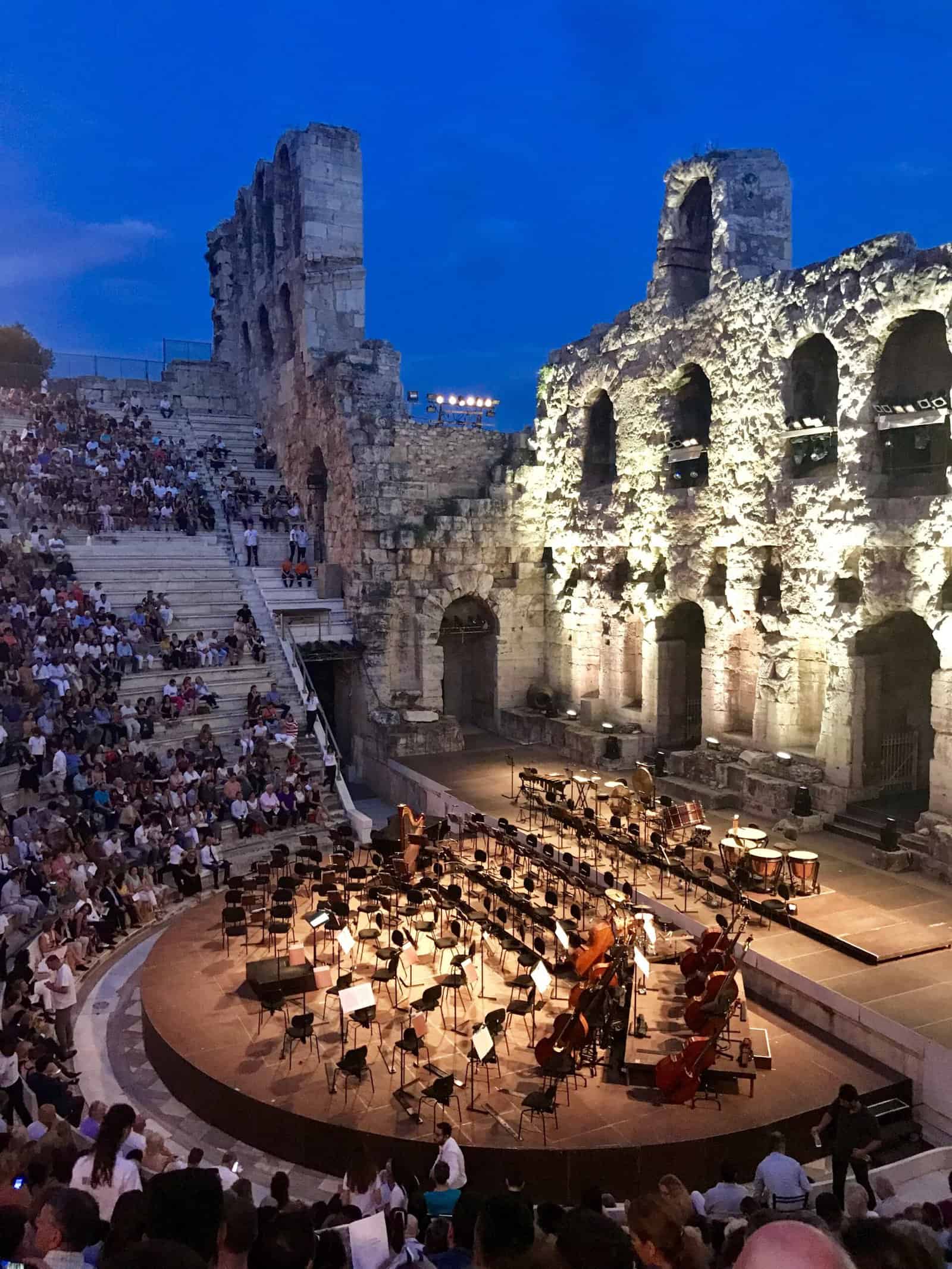
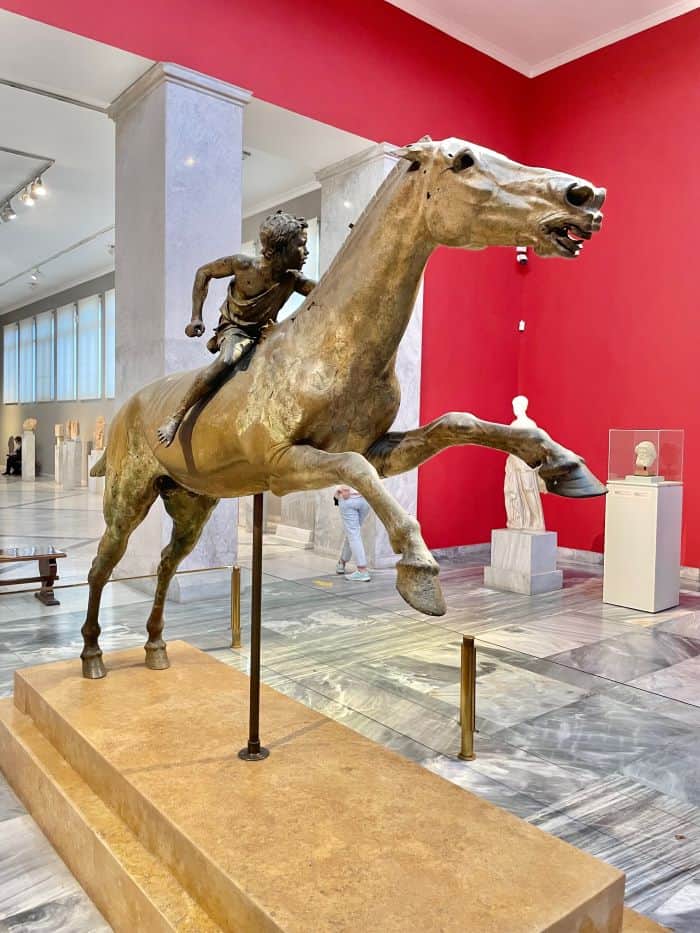
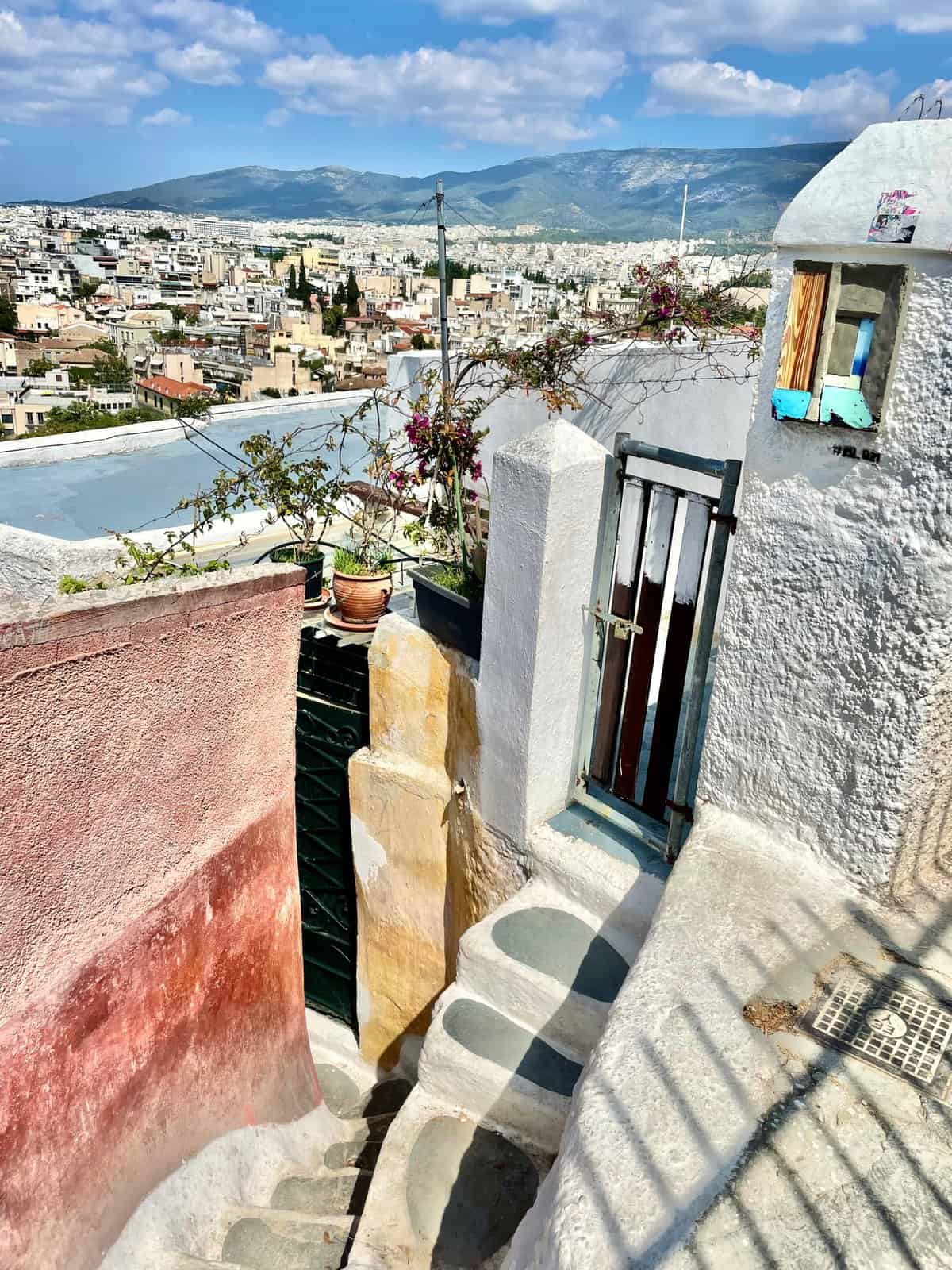
• Athens delivers the big hitters like the Acropolis, the Ancient Agora and the National Archaeological Museum, plus neighbourhoods like Plaka and Kolonaki for food, shopping and nightlife.
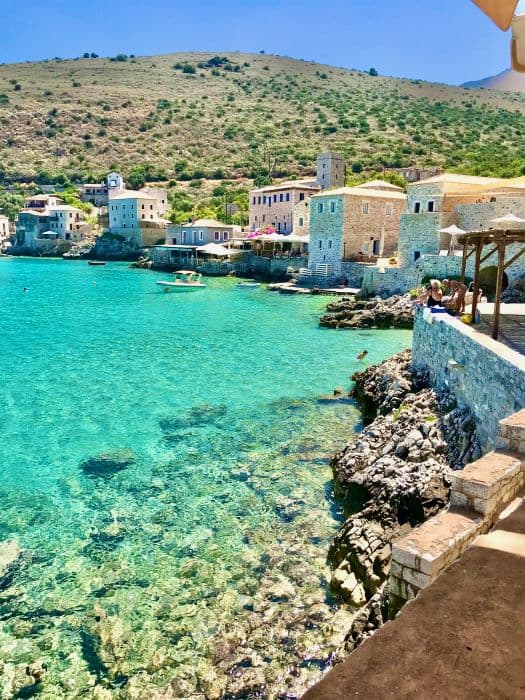
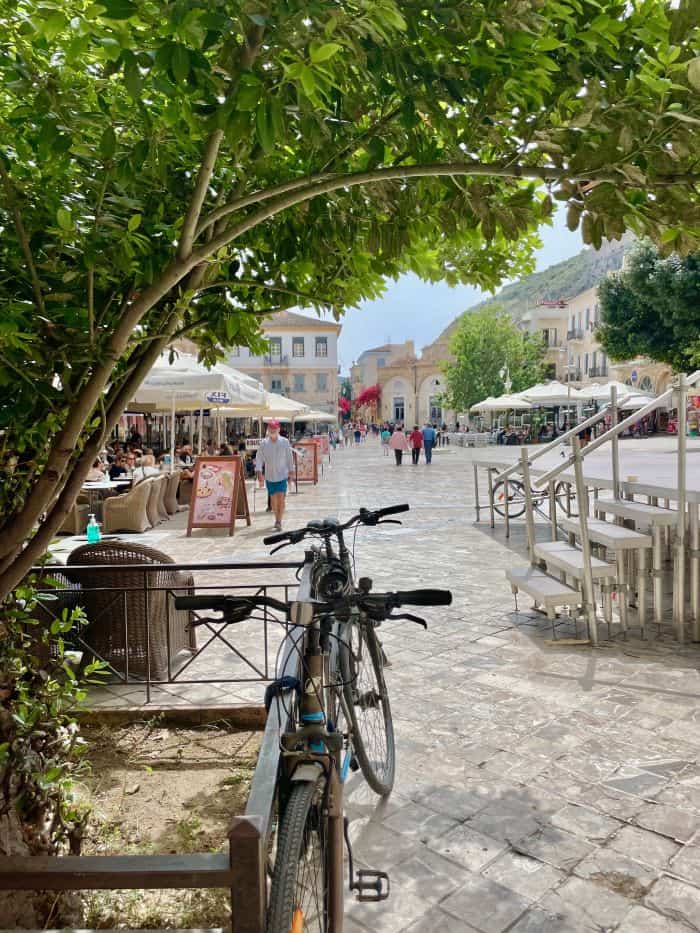
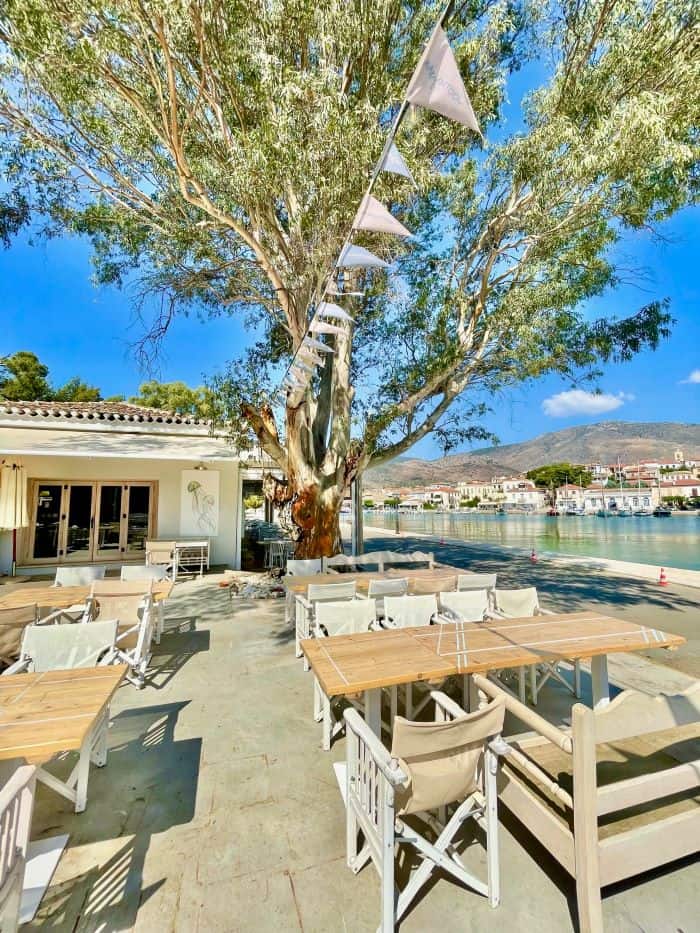
• Nafplio gives you the prettiest coastal old town in the country with Venetian forts and beach-hopping on your doorstep.
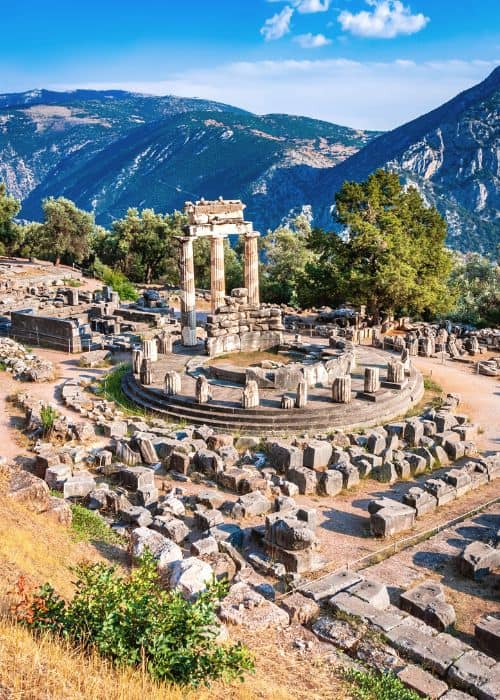
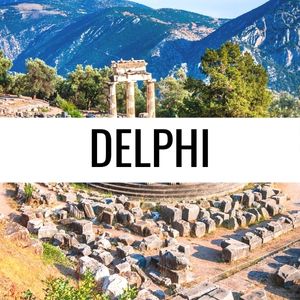
• Delphi sits on a mountainside with views so good you finally understand why everyone thought the oracle was dialling into a higher power.
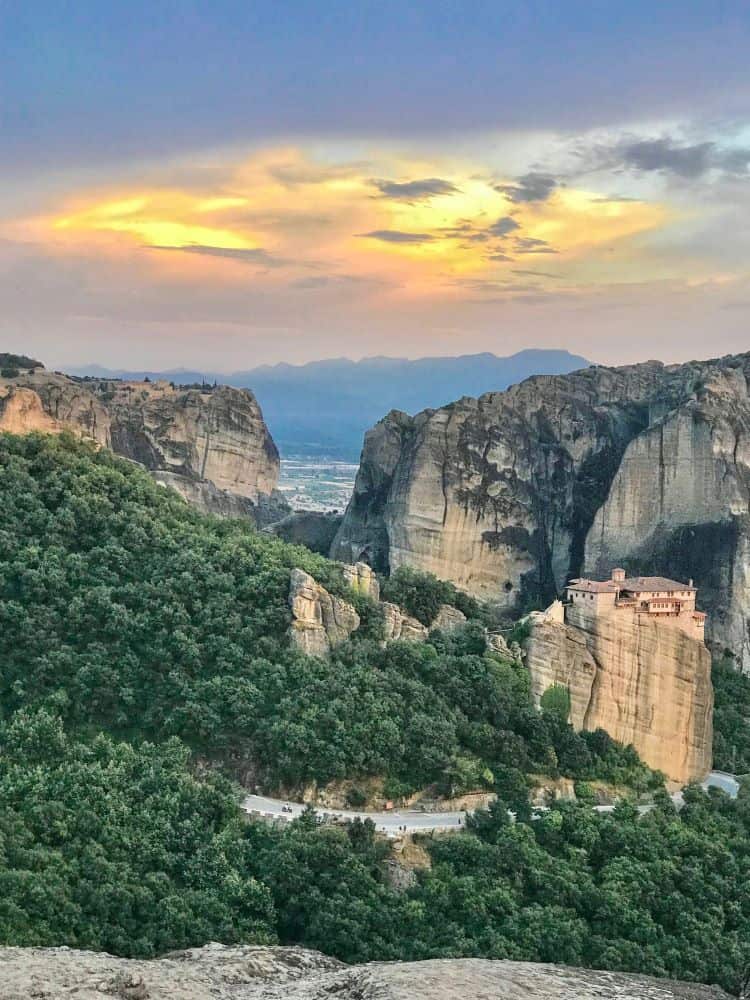
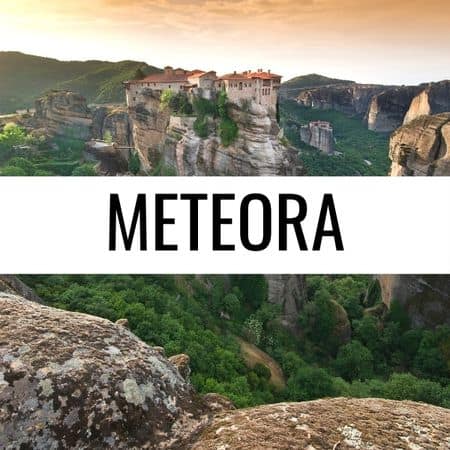
• Meteora stuns with its monasteries perched on giant rock pillars, a landscape that honestly looks CGI.
• The Peloponnese is stacked with ancient sites such as Mycenae and Epidaurus, plus beaches, wineries and the rugged Mani Peninsula.
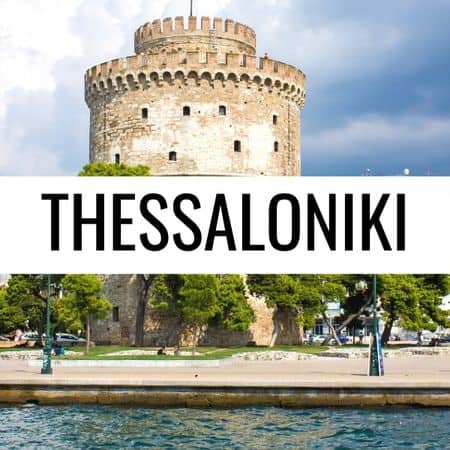
• Thessaloniki delivers Byzantine history, waterfront promenades and some of the best food in Greece.
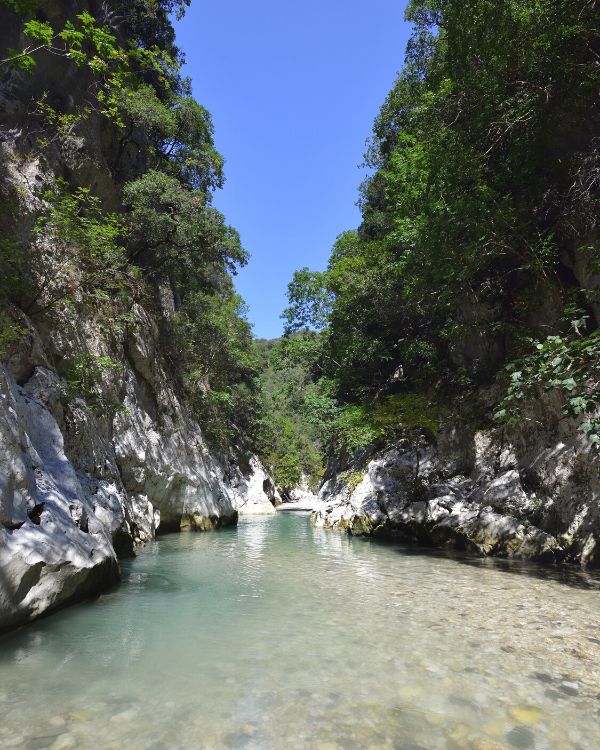
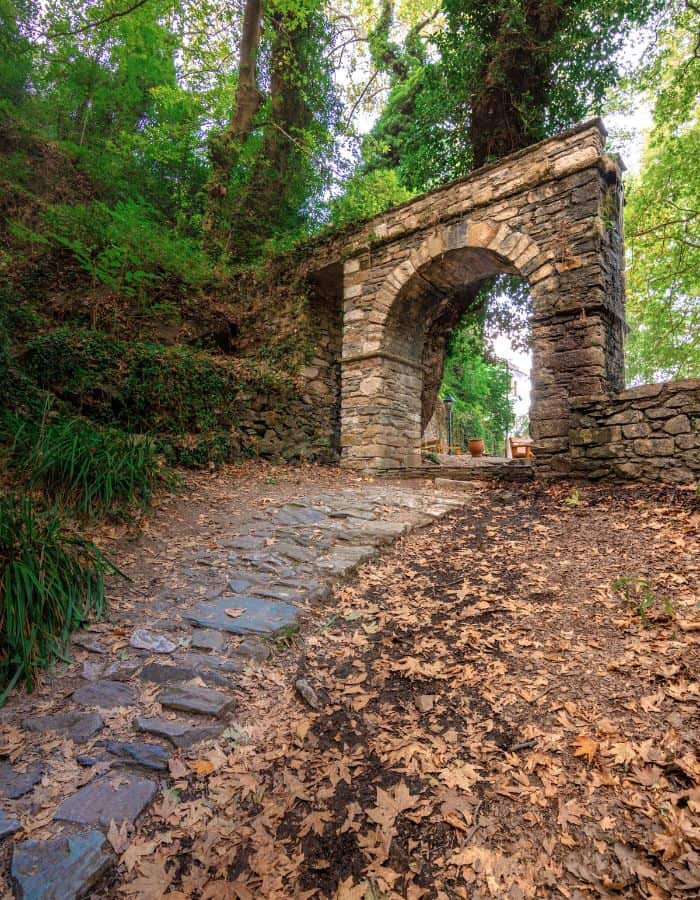
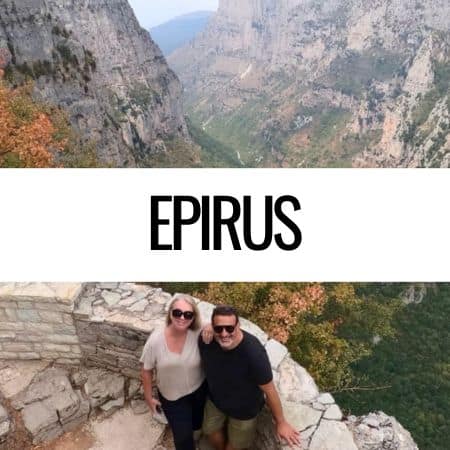
• Zagori and the Pindus Mountains offer stone villages, epic hiking and the Vikos Gorge, the deepest Gorge in Europe and a popular hiking spot.
Whats a good itinerary?
You could easily spend months on the Mainland, which, of course, most people don’t have.
If you only have a few days, head to Meteora.
With 3 or 4 stays in Nafplio and exploring the Argolis.
And:
Five days
• Athens for two nights: Acropolis, Ancient Agora, Plaka, good food, and one museum if you can face it.
• Delphi for a day trip or overnight: the site is worth the extra time because it is far better early or late.
• Meteora for two nights: sunset tour on day one, monastery visits on day two. Drive back to Athens or take the train.
Ten days
• Athens for three nights
• Nafplio for three nights: explore Mycenae, Epidaurus, Palamidi Fortress and the old town, plus a swim if the weather plays nice.
• Delphi for one night to avoid crowds.
• Meteora for one night
• Thessaloniki for two nights: waterfront, markets, Roman and Byzantine sites, and a genuinely brilliant food scene.
When is the best time to visit?
There really is no single best time, but there are clear winners depending on what you are into.
• Late April to early June gives you warm weather, green landscapes, long days and none of the furnace-level heat. It is the sweet spot for sightseeing and driving trips.
• September to mid-October is just as good, often better. The sea is warm, the crowds thin out, and the light is gorgeous for photos.
• July and August are great if you love heat and crowds or have no choice. Mainland sites can feel brutal in the afternoons, and you spend half your time looking for shade, but there are many stunning beaches around the coastline.
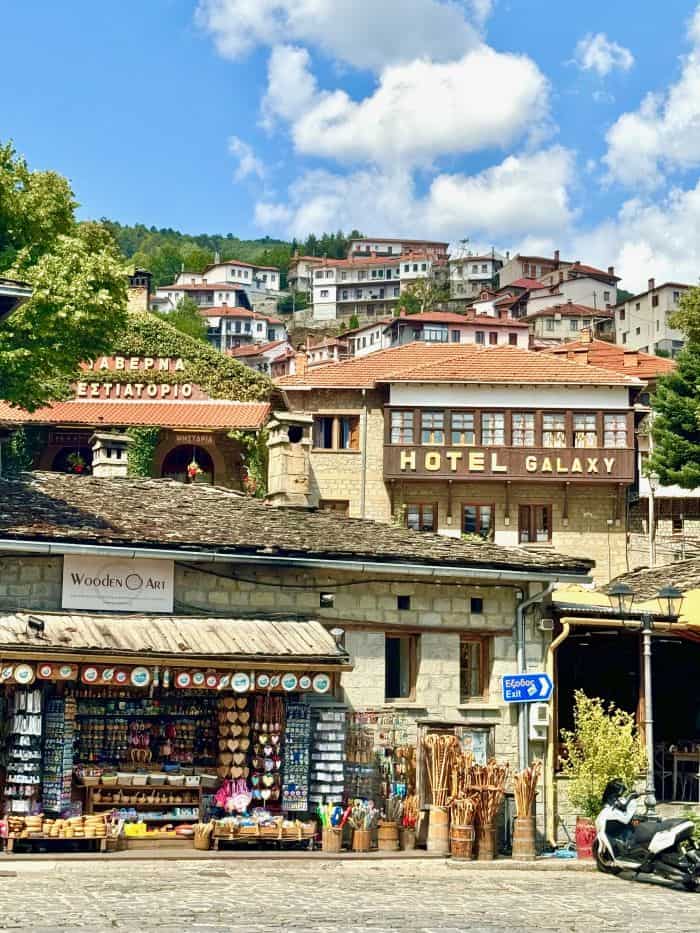
• Winter works for city breaks, food trips and mountain regions like Zagori and Metsovo. It is not great for ruins unless you enjoy drizzle and scaffolding.
How to get around the Mainland
- Driving is by far the best option – it really is one of the best road trip destinations on the planet. The highways are modern, the tolls are annoying but manageable, and you get total freedom to explore places like Delphi, Meteora, Nafplio and the Peloponnese. Parking in Athens is a circus, so pick up your car after the city stay or at the airport as soon as you land
• Trains are limited. Athens to Kalambaka for Meteora works well (part of it is by bus), and Athens to Thessaloniki is fine, but that is about it.
• KTEL buses fill the gaps. They are cheap, reliable, and surprisingly comfortable, but routes can be slow, and timetables often feel like they were written by someone who lost interest halfway through.
• Taxis and transfers are plentiful. In cities, they are easy to hail, and for longer hops, you can book private transfers that save time but cost more.
• Domestic flights are only possible between Athens and Ioannina and Thessaloniki, which is excellent if you are tight on time.
Do you need a car?
As covered above, it really is a great road trip destination, but if you don’t want to drive you have a few options:
- Buses – the network is extensive, and they are cheap and comfortable. You can usually buy tickets from the driver or at the ticket offices at the bus stations in bigger towns. Timetables can be found here, but often not until a month or so in advance
- Private drivers – we recommend Cattaxi, who can handle absolutely everything for you
- Tours – there are numerous tours you can do. The bigger the tour, the cheaper they usually are, but you will have little free time
What is the driving like?
Driving on mainland Greece is generally straightforward and well-suited to independent travel.
• Major highways are modern, well-maintained and clearly signed in both Greek and English. Toll charges apply on many routes, but the overall network is efficient and reliable. You can pay the tolls by credit card, though there are also manned booths.
• Secondary and rural roads are narrower and more winding, particularly in mountainous regions such as Epirus and the Peloponnese. Caution is required, especially in wet weather or low visibility.
• Local driving habits can be assertive. It is common for vehicles to keep to the right edge of the lane to allow faster traffic to pass. Visitors should drive defensively and maintain appropriate distances.
• Urban driving, especially in Athens, can be congested and challenging due to limited parking, one-way systems and heavy traffic. Most travellers find it practical to collect and return rental cars outside the city centre.
• Navigation is generally reliable via Google Maps or other GPS systems, though it is advisable to cross-check mountain routes to avoid unsuitable roads. Having an offline map is often a good idea.
• Petrol stations are widely available, including in regional areas. They pump it for you.
RECENT ARTICLES
