
Greek Mythology & history
Greece is renowned for its rich history and fascinating, colourful past.
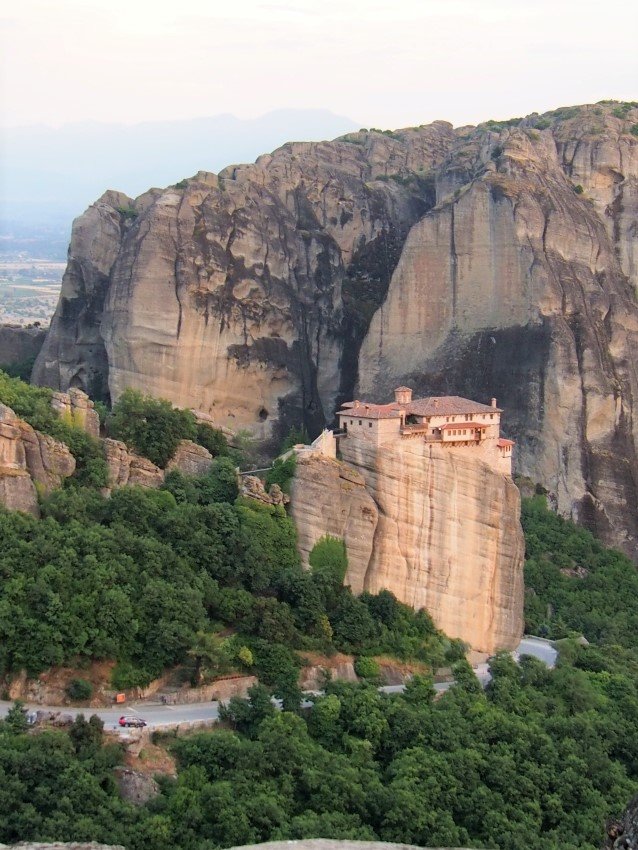
History buffs will be enthralled by tales of conflict, passion and betrayal as centuries of occupation by Byzantines, Ottomans and Venetians sit side by side local folklore and mythology dating back to the beginning of mankind.
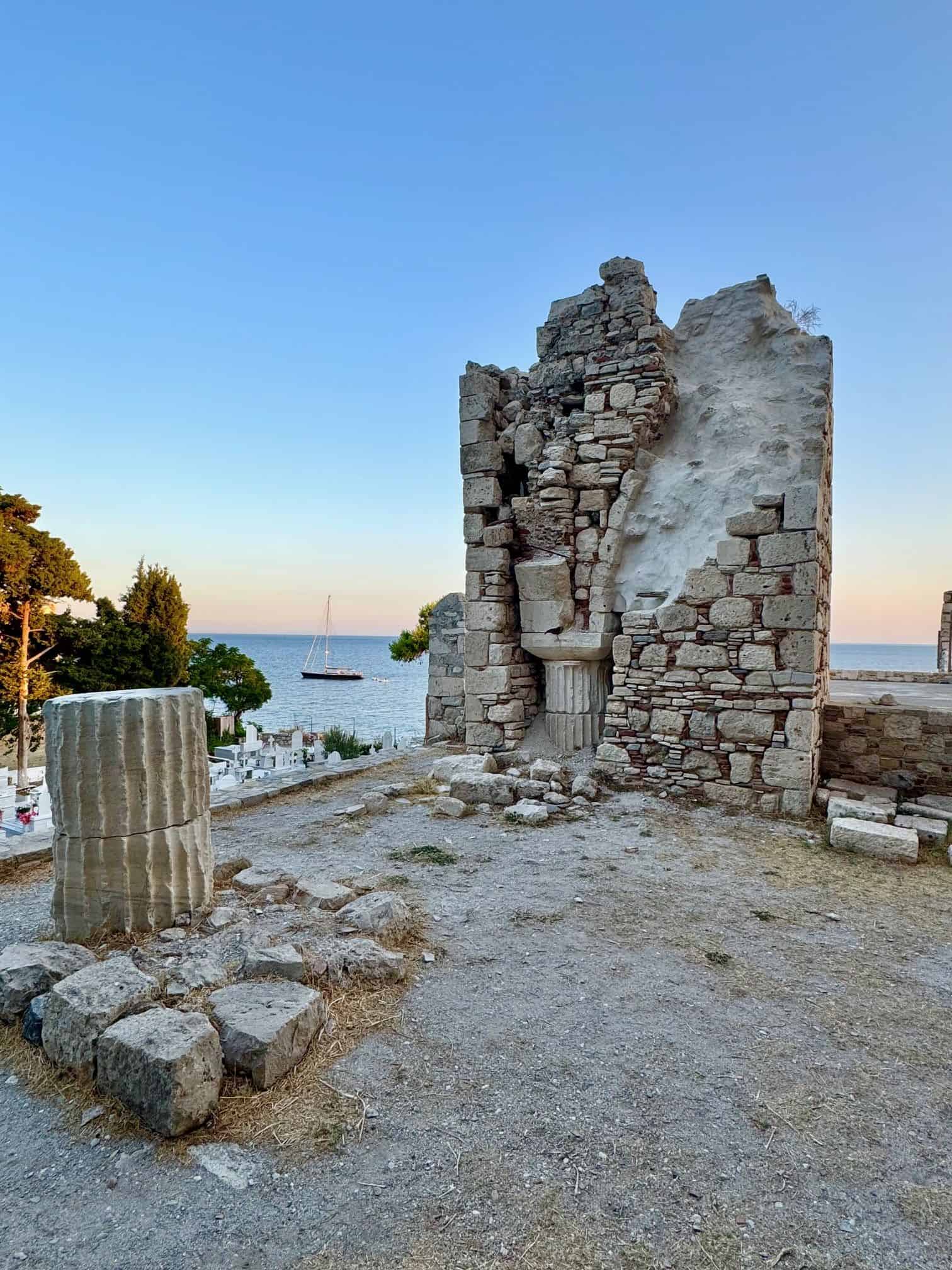
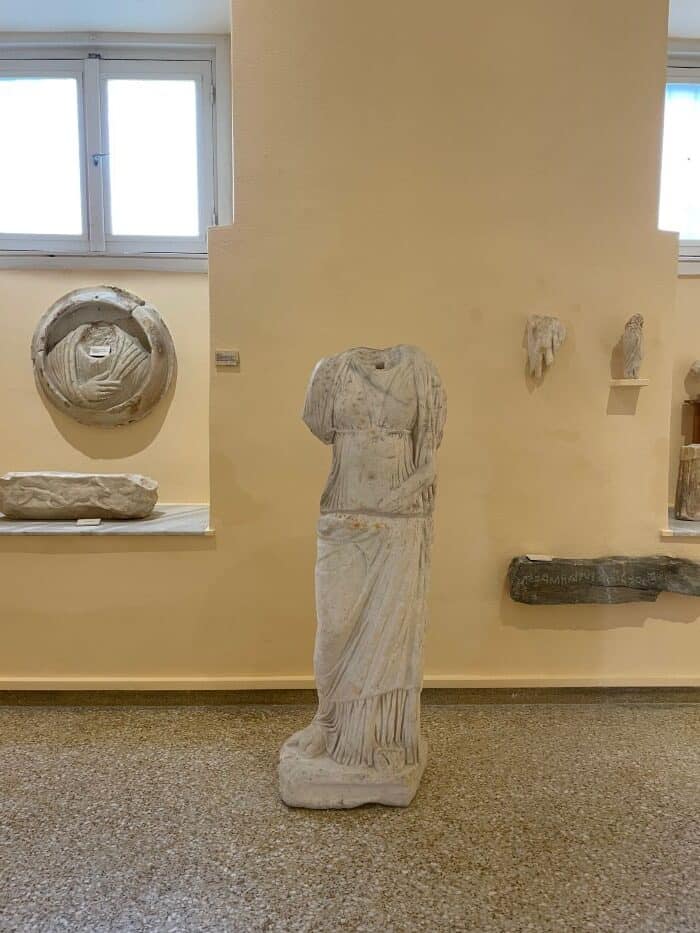
For those interested in architecture and archeology, there is a plethora of ruins, artifacts, and structures that, to this day, both baffle and impress with their engineering, structural integrity, and design.
Mythology and religion are, of course, the stuff of legends, with Homer’s Iliad and the Odyssey just a small sample of the stories that shaped the country and indeed much of the ancient world. There are endless stories of Gods and Mortals, good and evil, love, honour and betrayal and religious rituals and customs that continue in the modern world.
No visit to Greece is complete without exploring some of these elements, whether its the more popular ancient sites or following the footsteps of the heroes and legends.
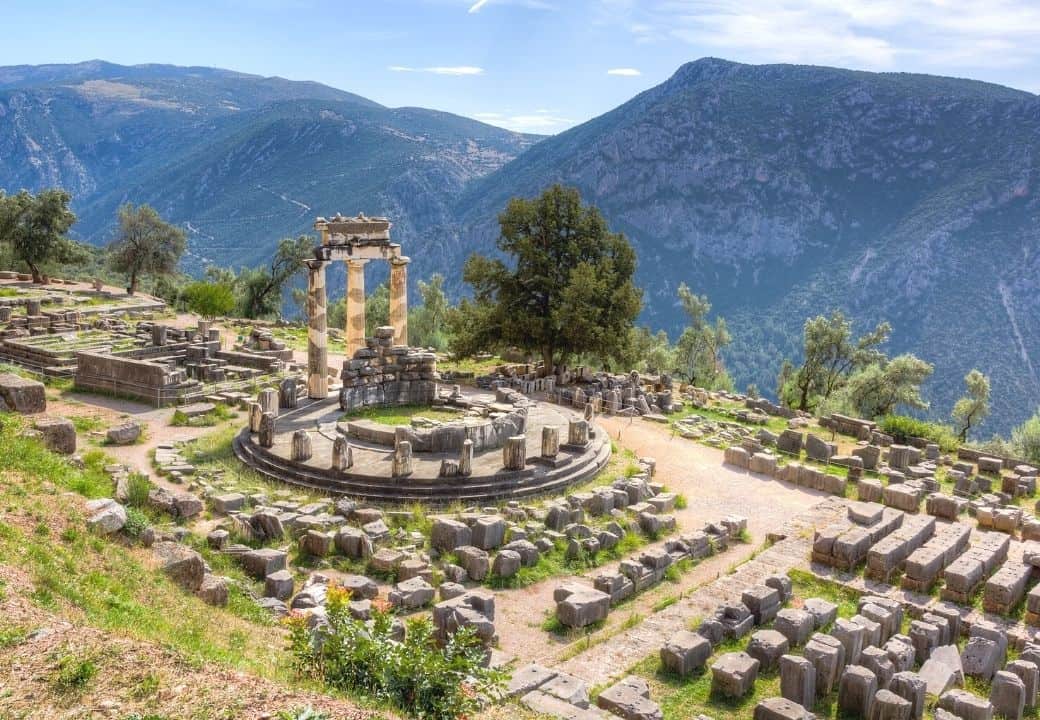
What to expect
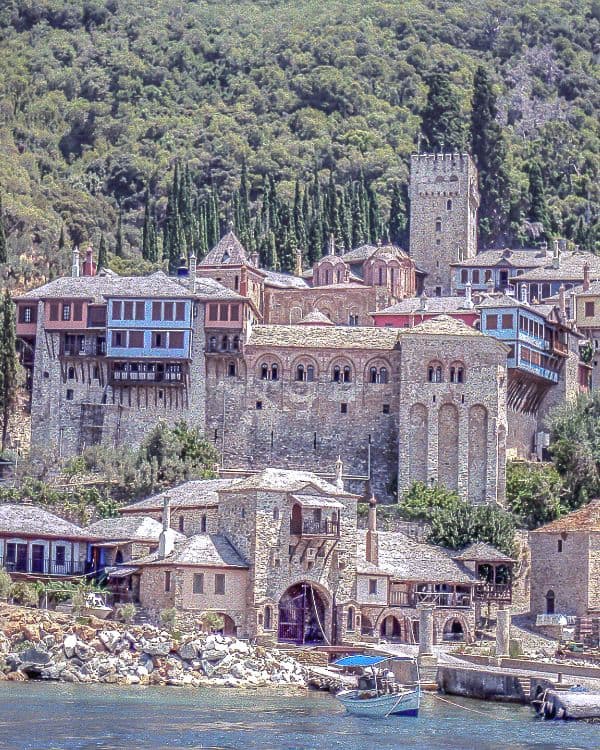
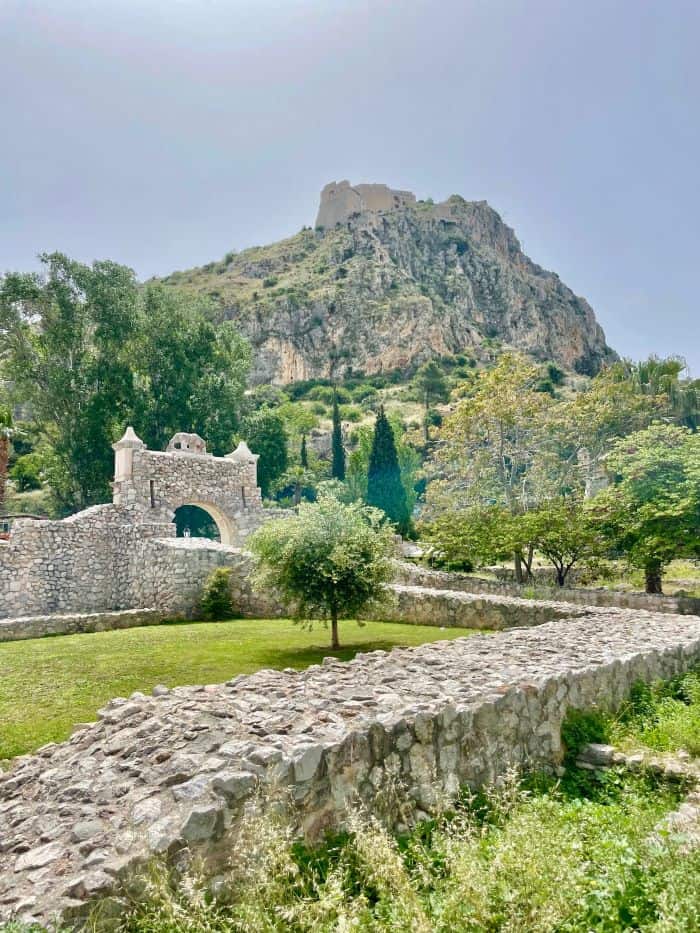
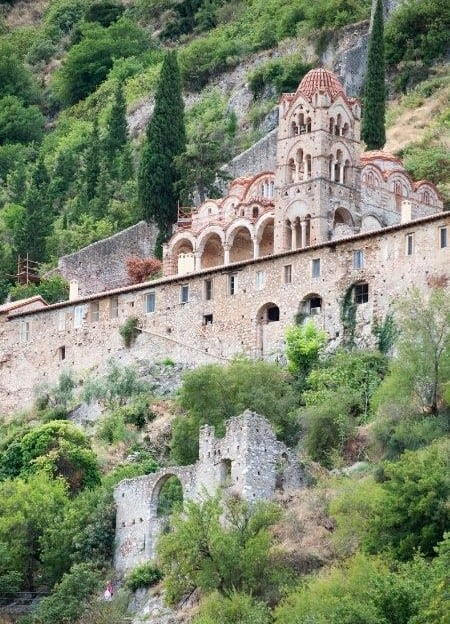
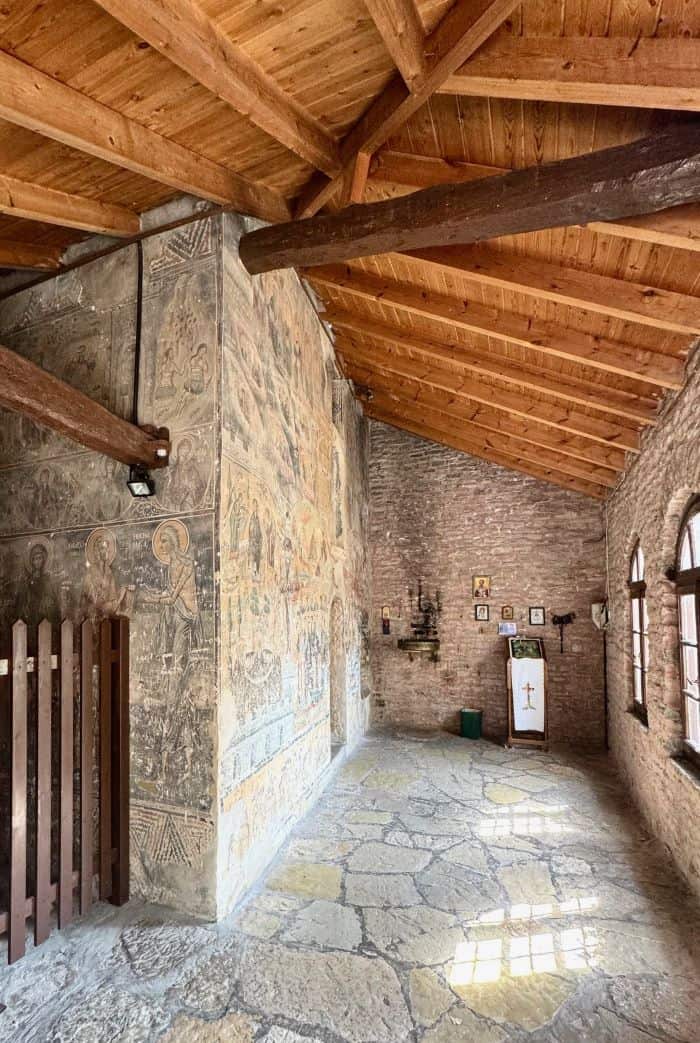
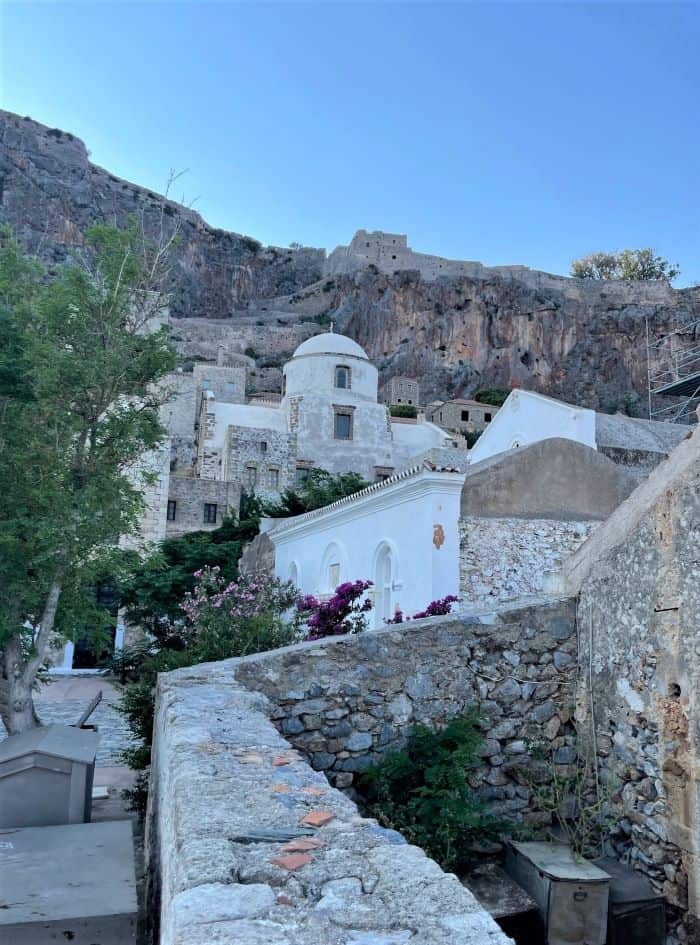
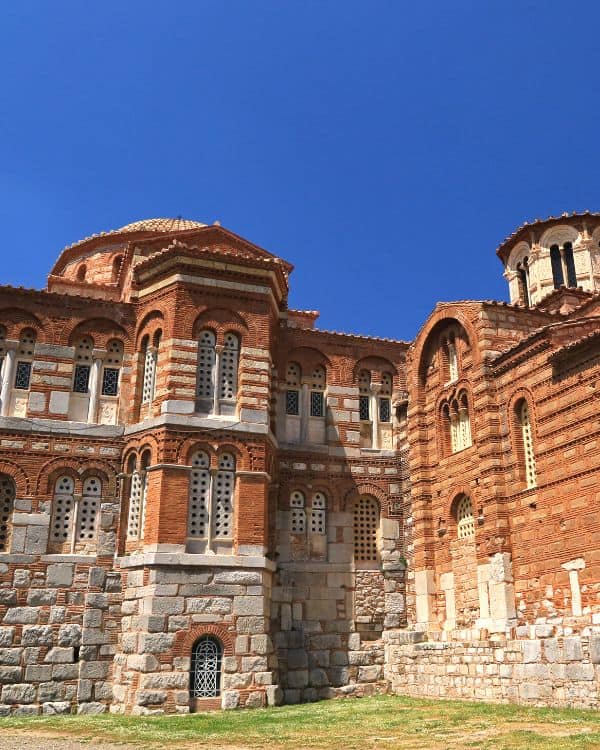
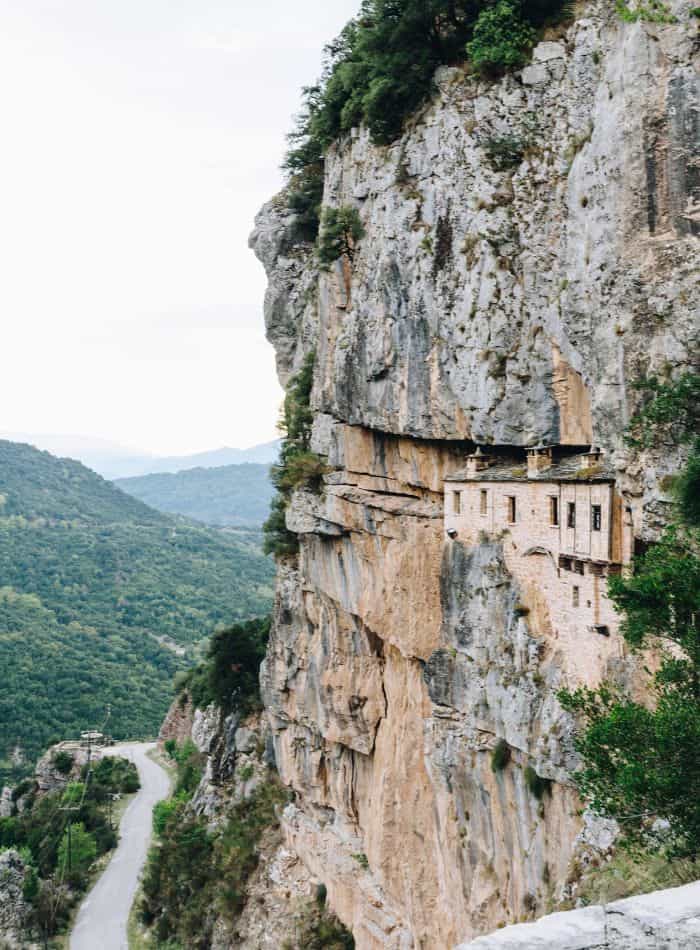
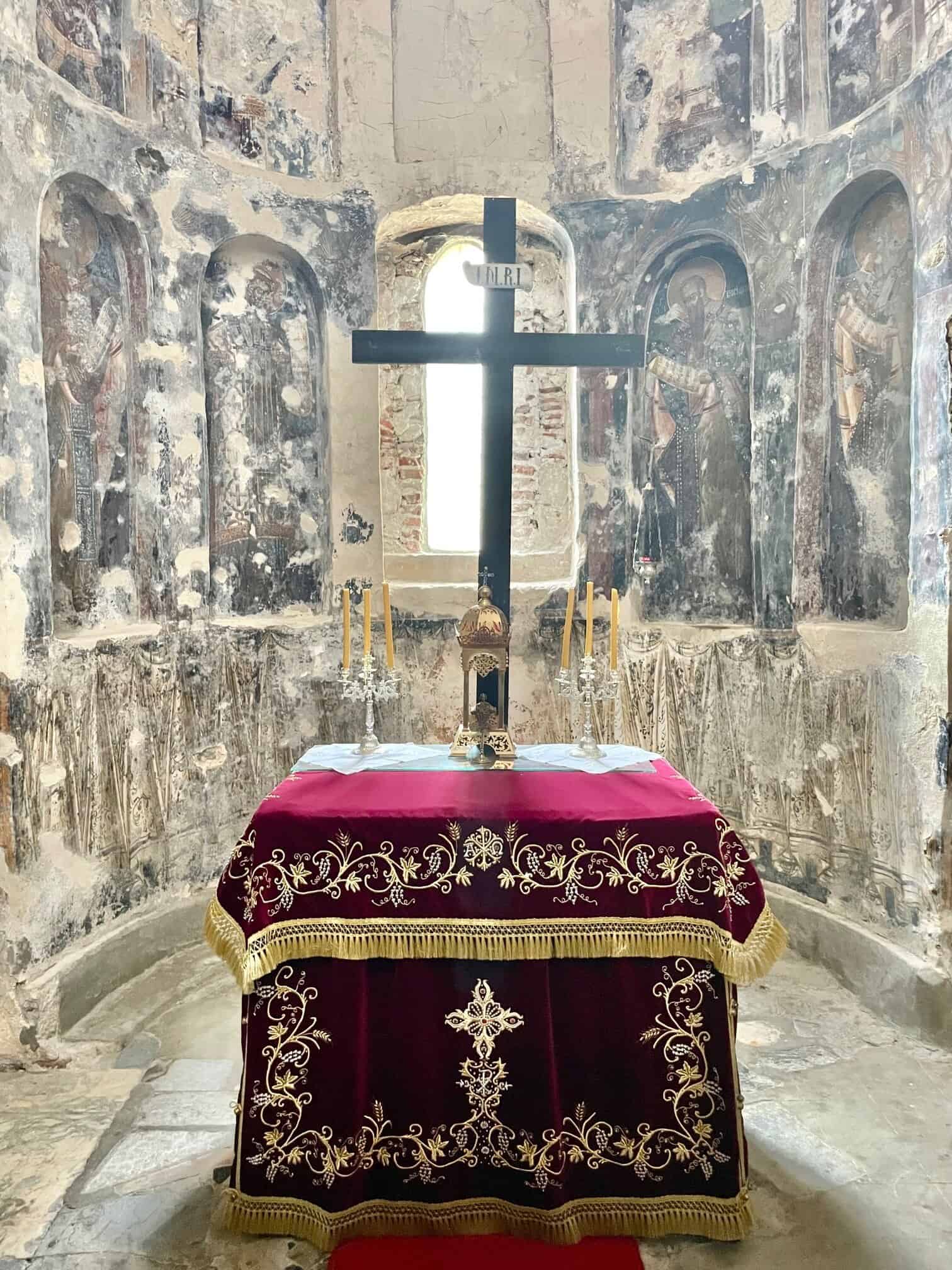
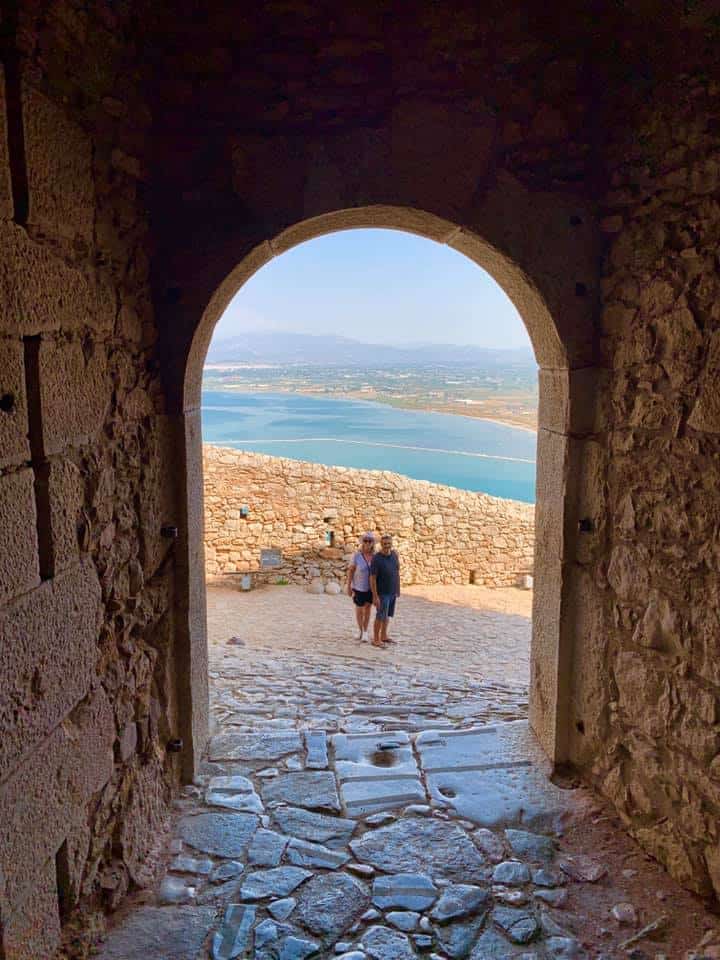
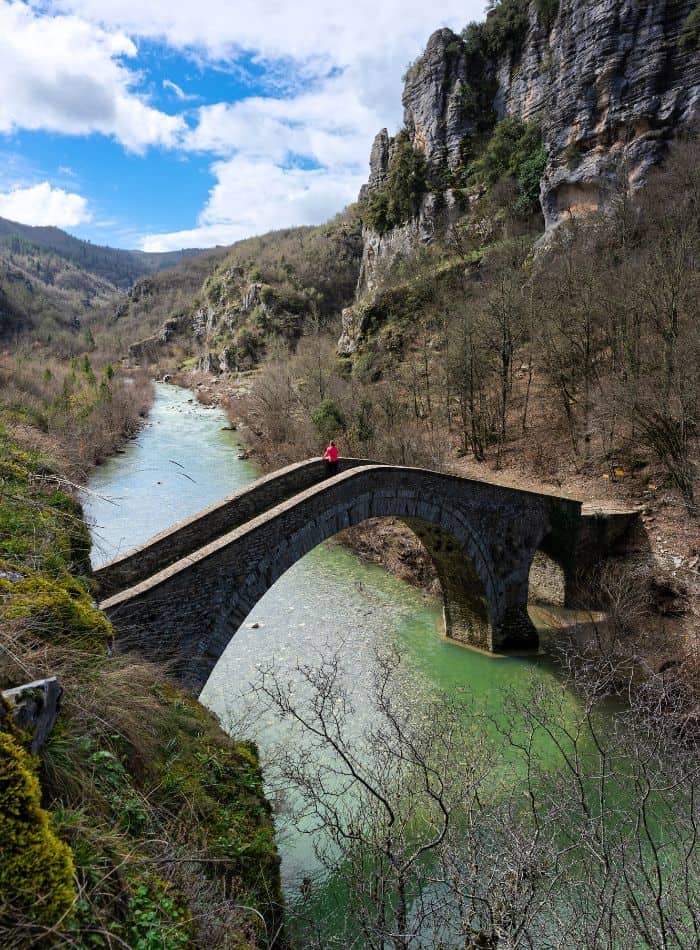
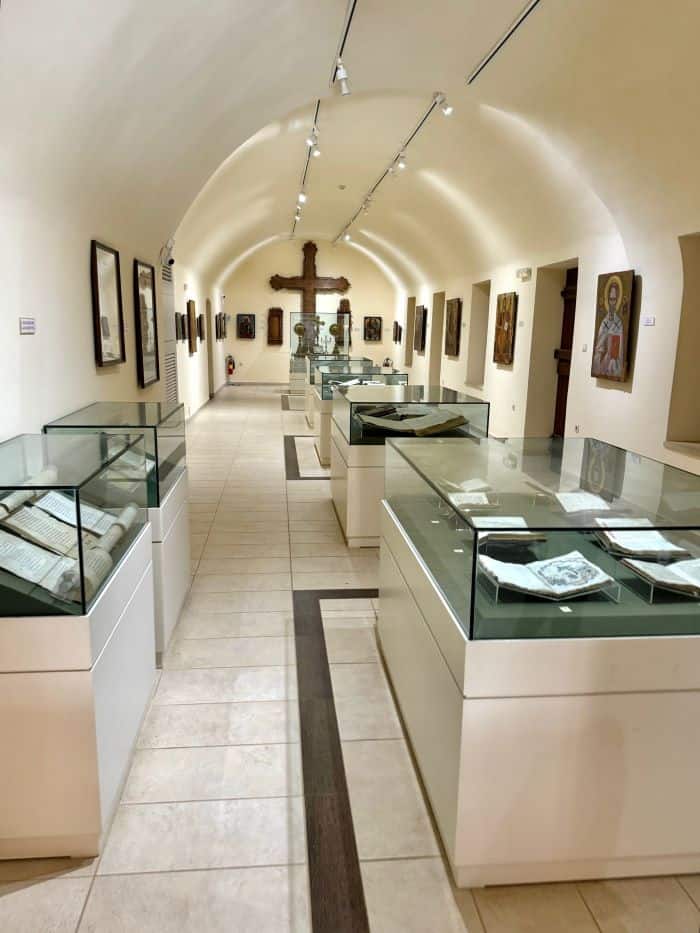
• Continuous layers of civilisation: Greece presents one of the world’s longest and most uninterrupted historical narratives. Across the mainland and islands, you will find Bronze Age sites, Classical temples, Roman structures, Byzantine churches and Ottoman-era architecture often within the same area.
• Mythology integrated into the landscape: Many places are directly associated with ancient myths. Mountains, caves, coastal points and archaeological sites often carry names and stories linked to the Olympian gods, legendary heroes or major mythological events.
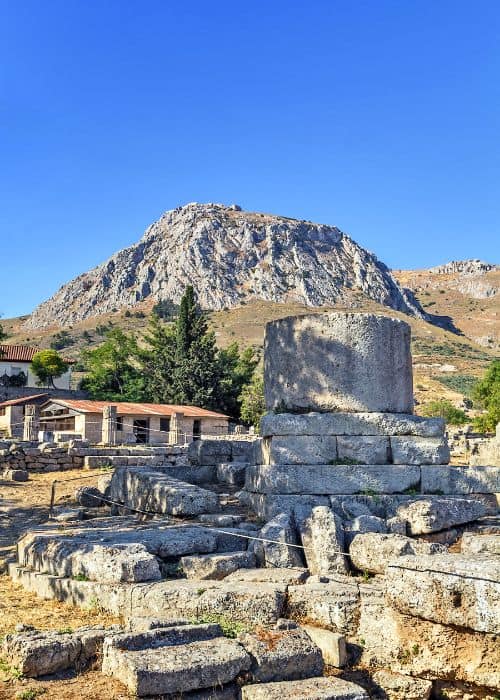
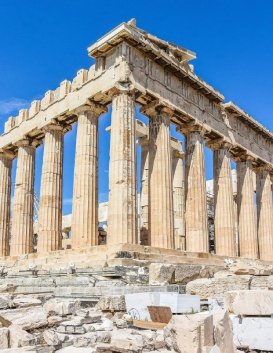
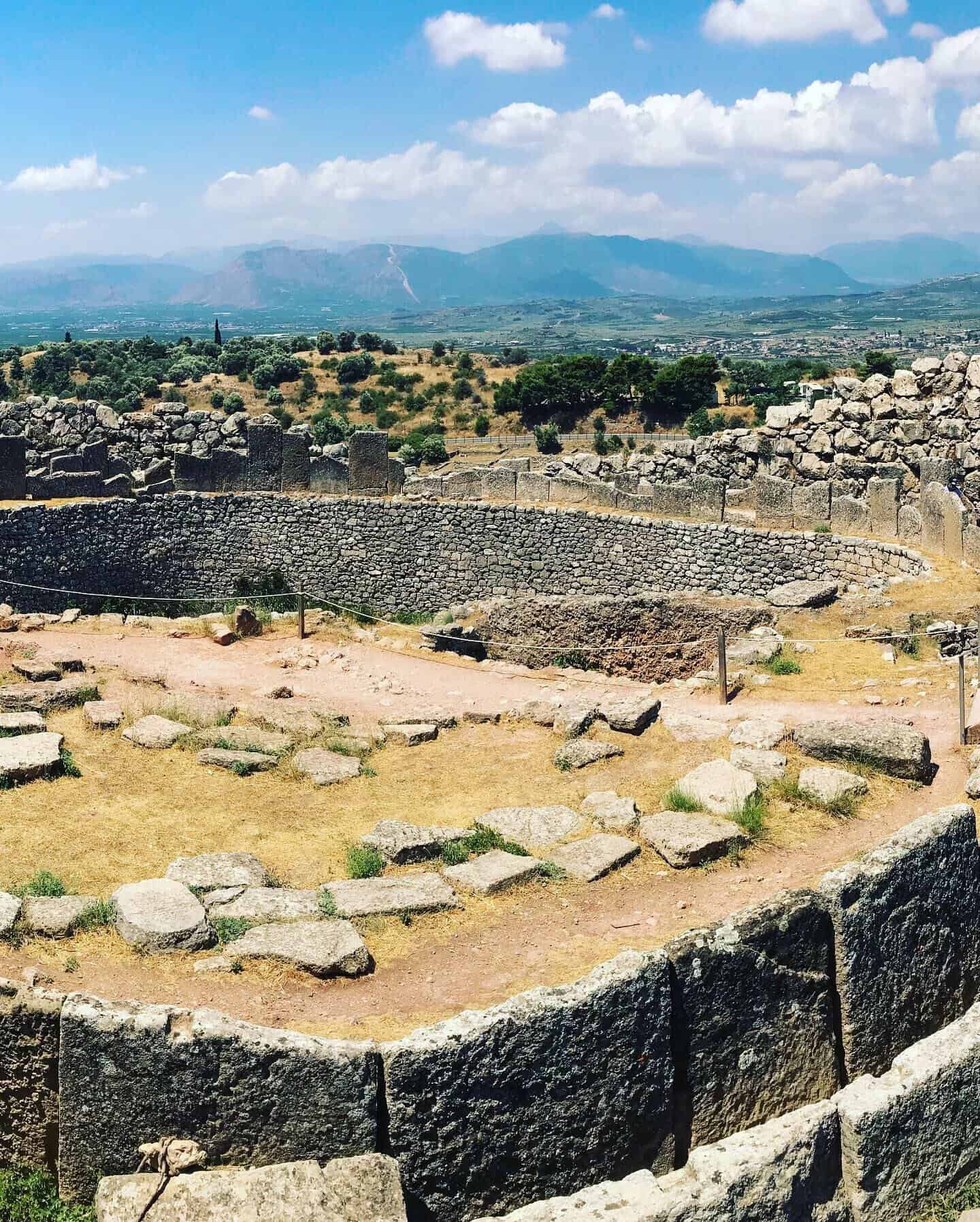
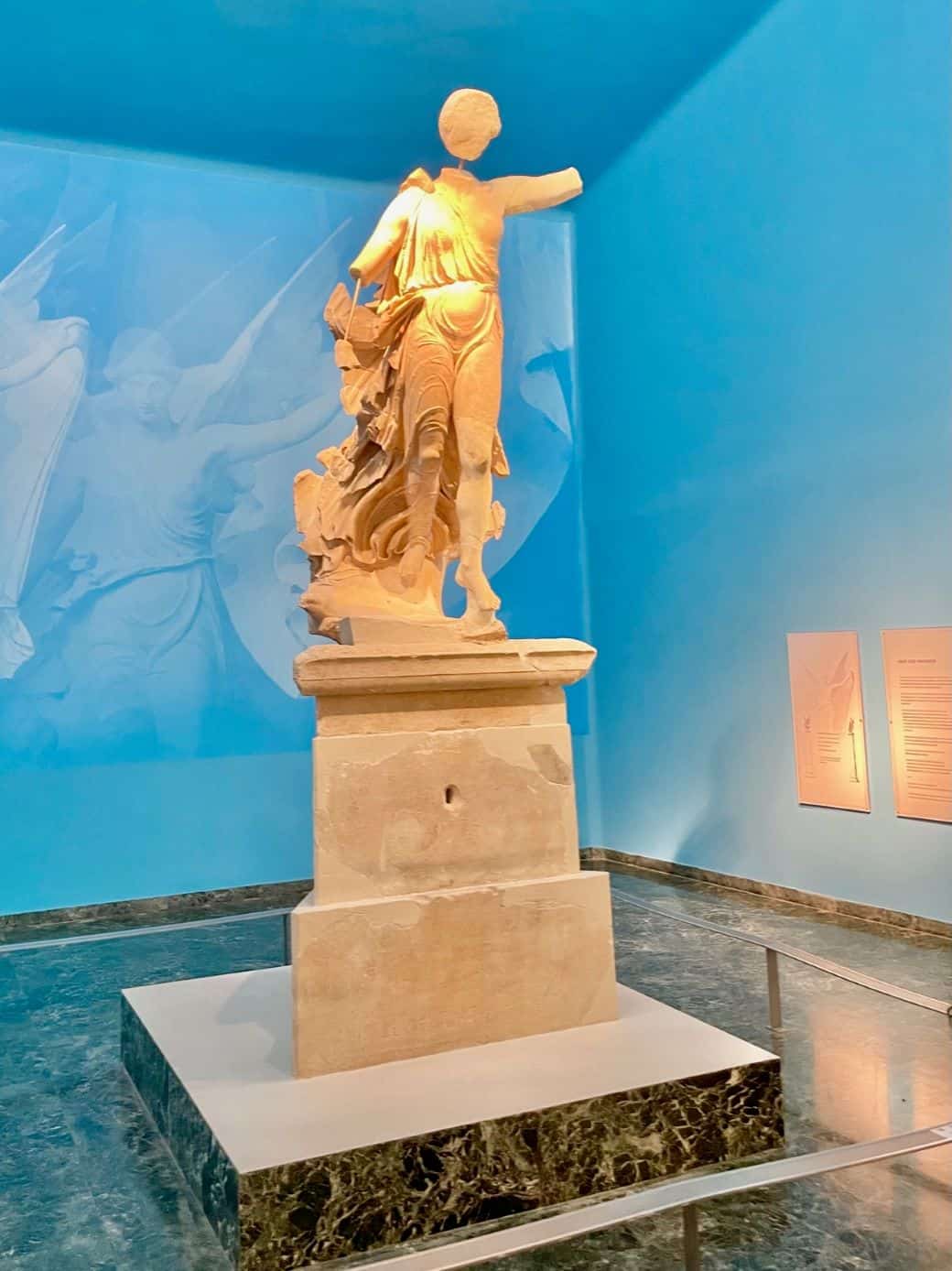
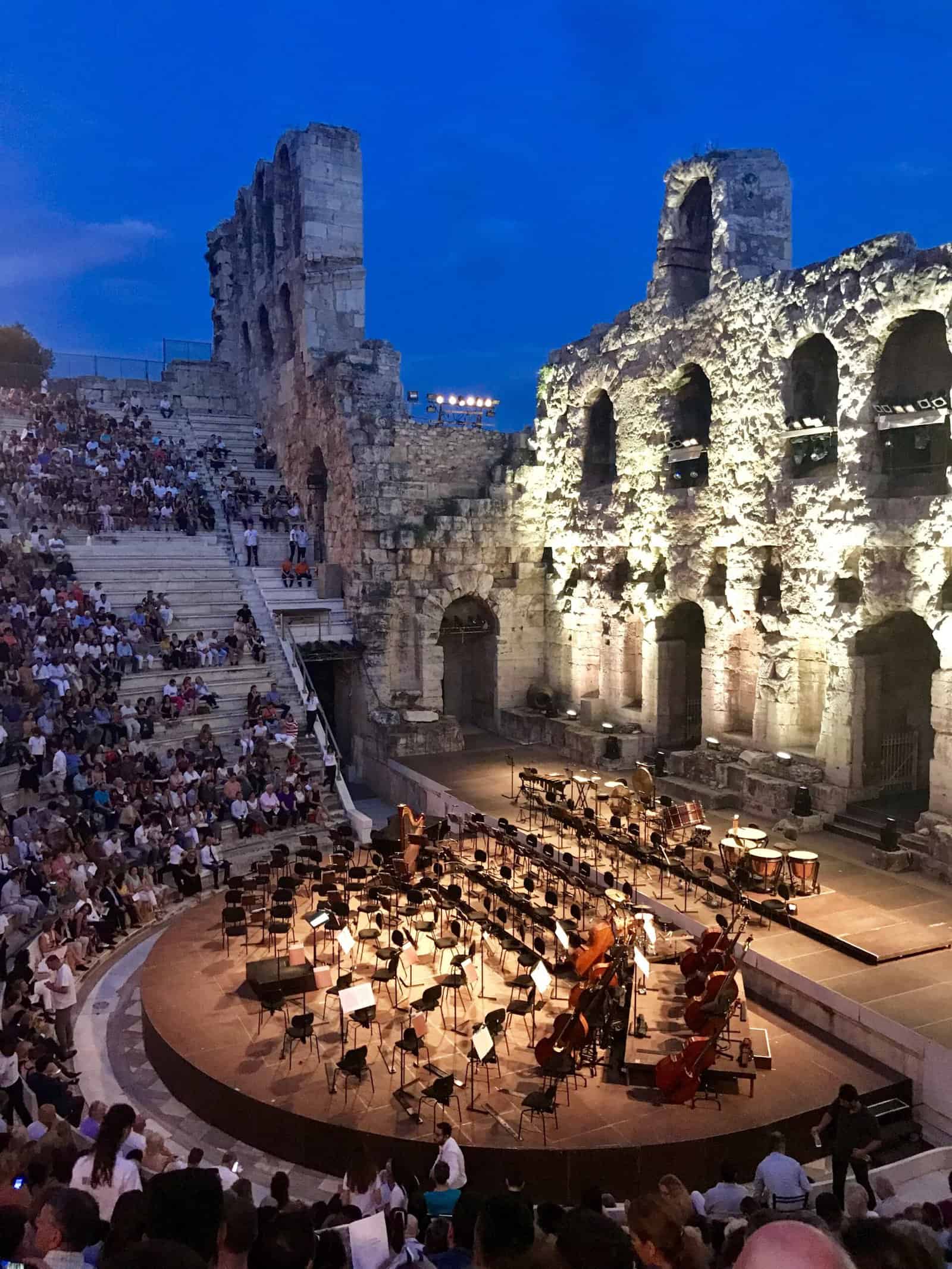
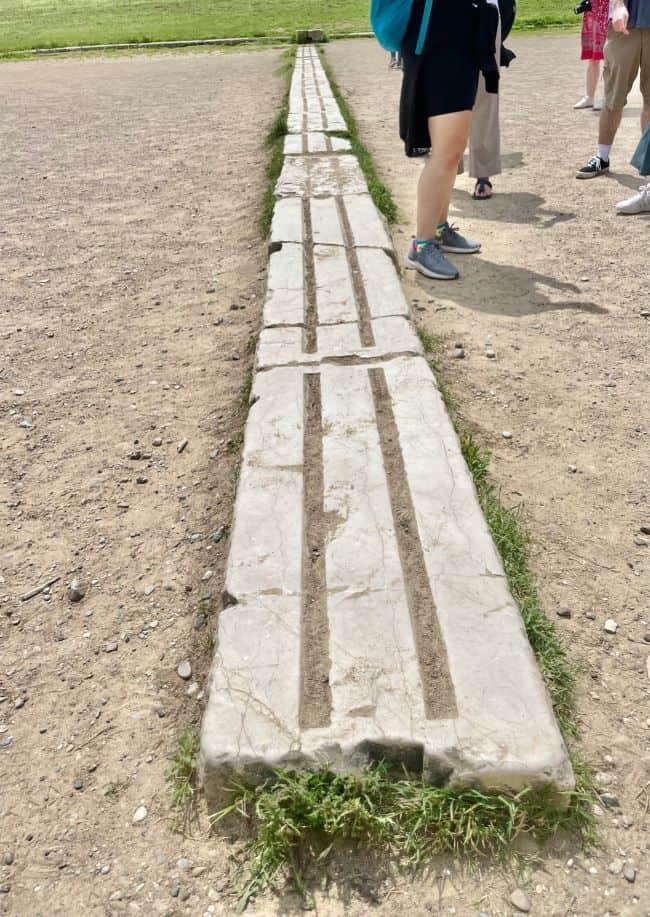
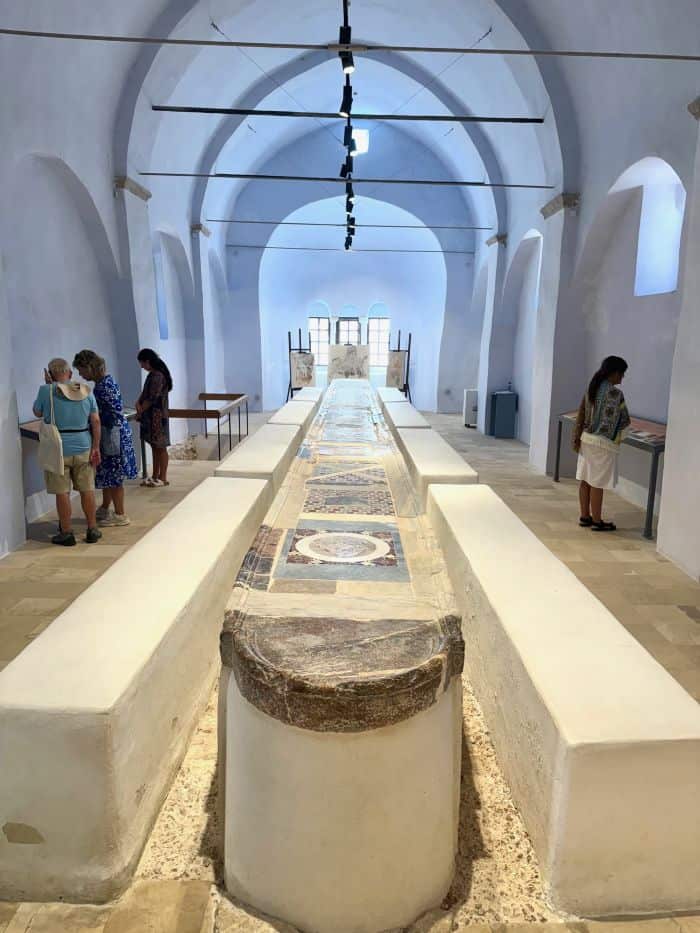
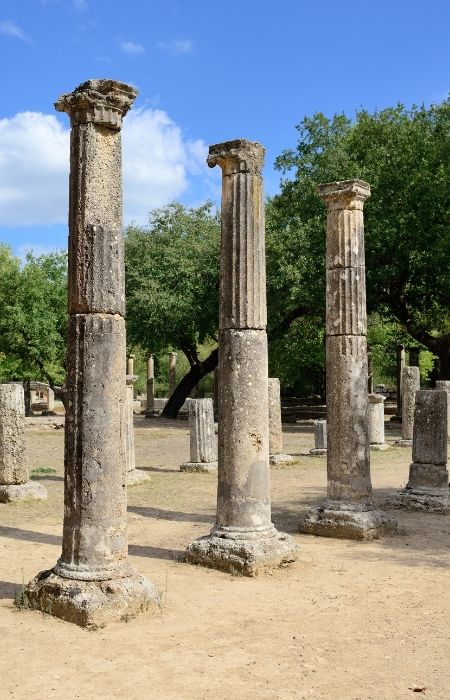
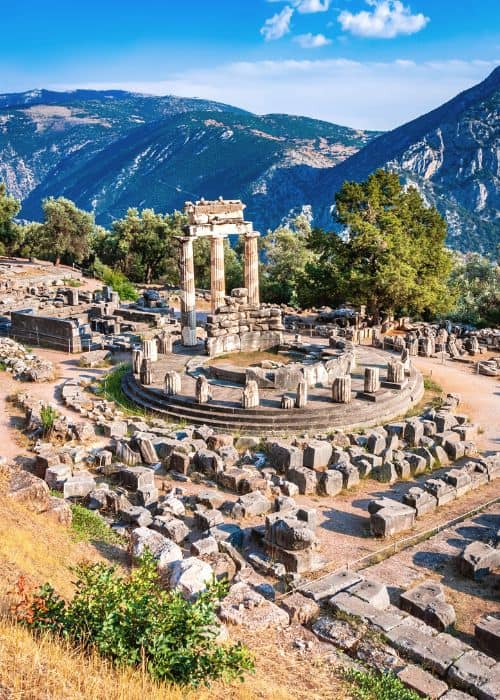
• World-class archaeological sites: Greece offers access to some of the most significant ancient sites globally, including the Acropolis, Delphi, Olympia, Mycenae, Knossos and Ancient Messene. These sites provide well-preserved examples of early engineering, urban planning, art and religious practice.
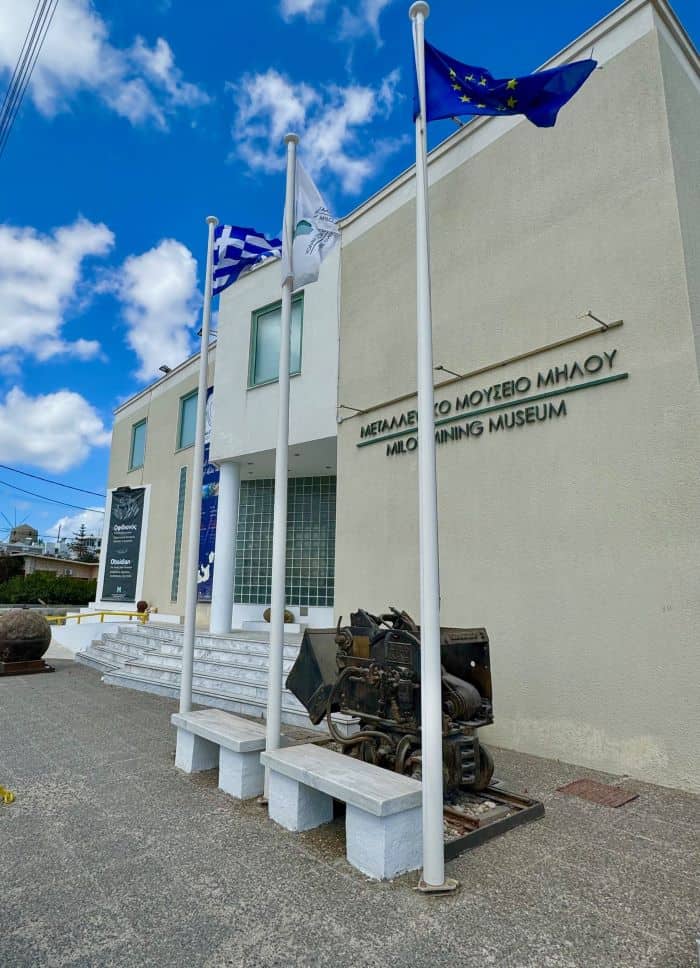
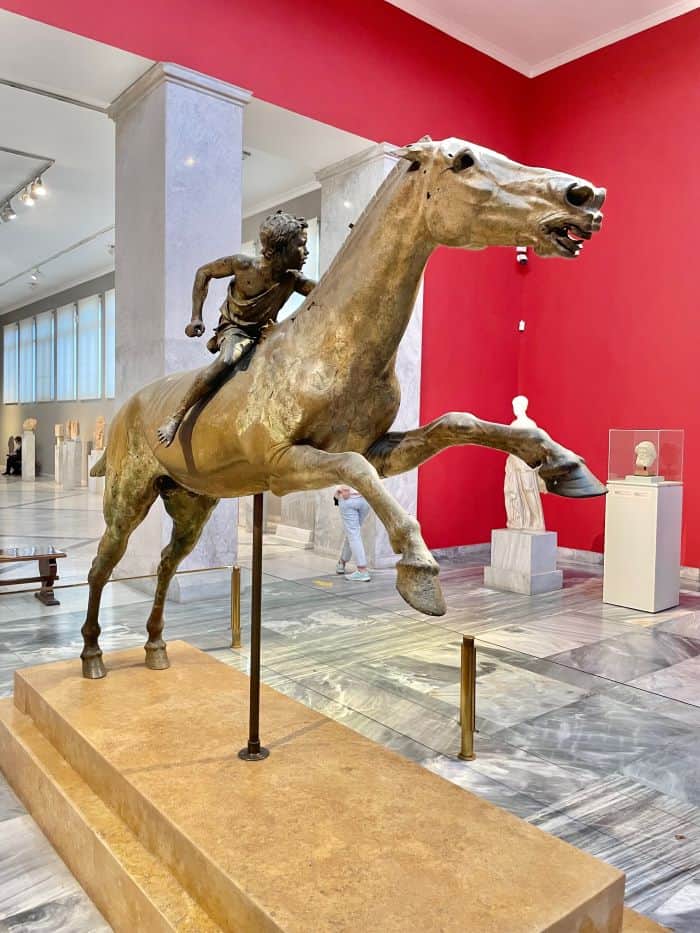
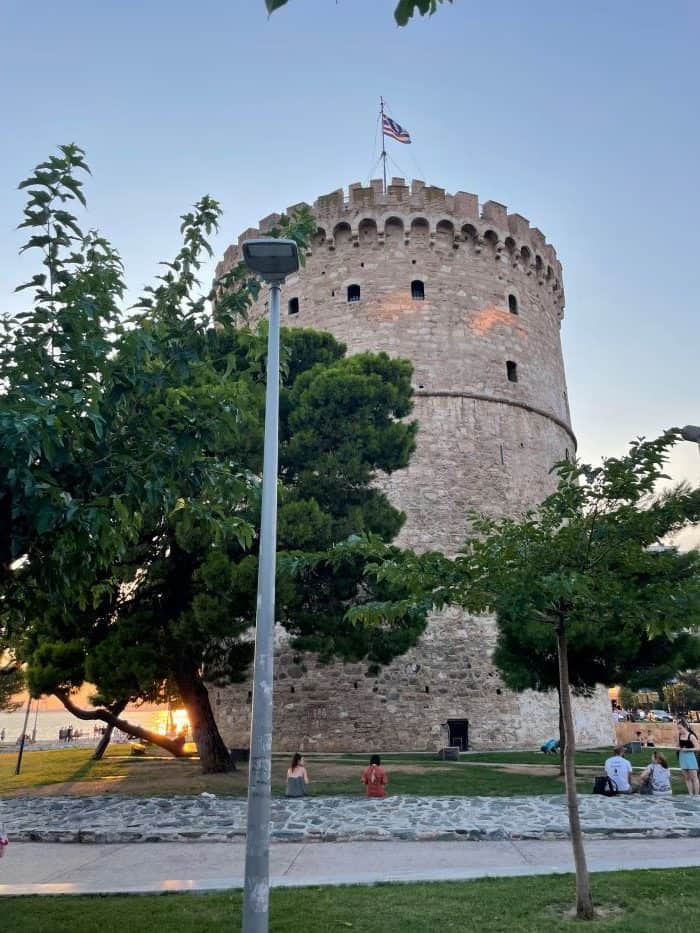
• Active archaeological discovery: Excavations are ongoing nationwide. It is common for new finds to emerge during construction works, particularly in Athens and Thessaloniki. Many metro stations and public buildings contain curated displays of artefacts uncovered during development.
• Influence on Western culture: Greek history and mythology continue to underpin modern language, literature, philosophy, political systems and scientific terminology. Visitors frequently recognise concepts, symbols and narratives that have shaped Western civilisation.
• Cultural continuity: Elements of ancient customs remain visible in aspects of modern Greek culture, religion and regional traditions. While contemporary Greece is a modern European nation, its heritage remains deeply embedded in daily life.
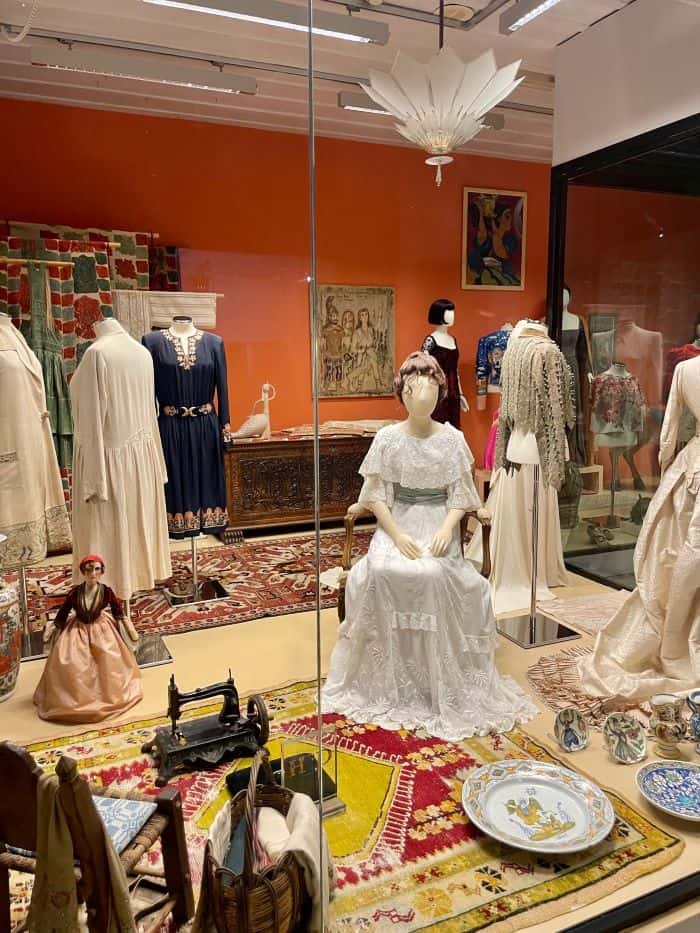
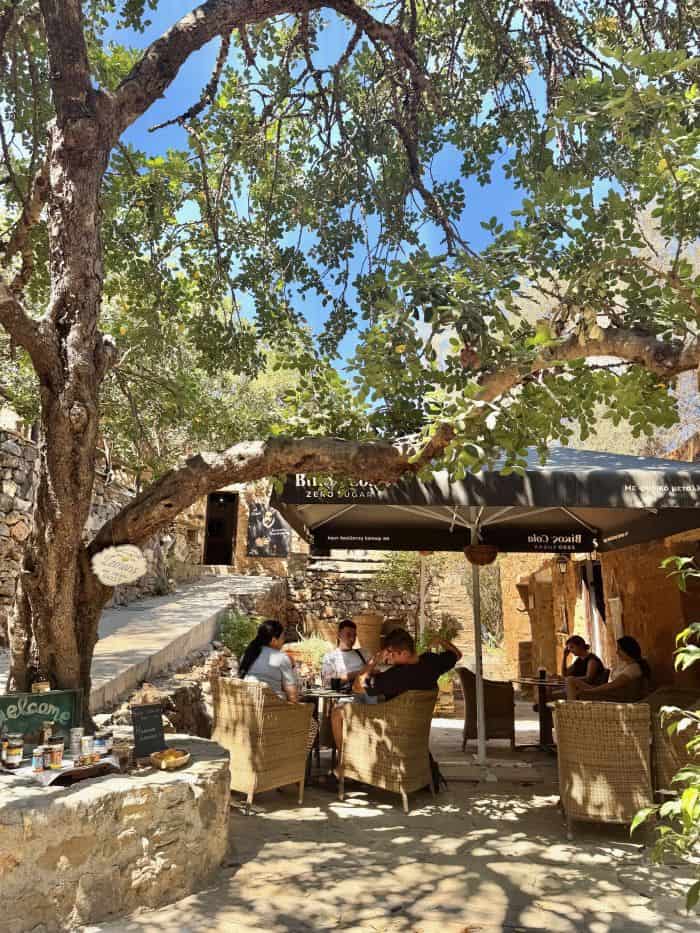
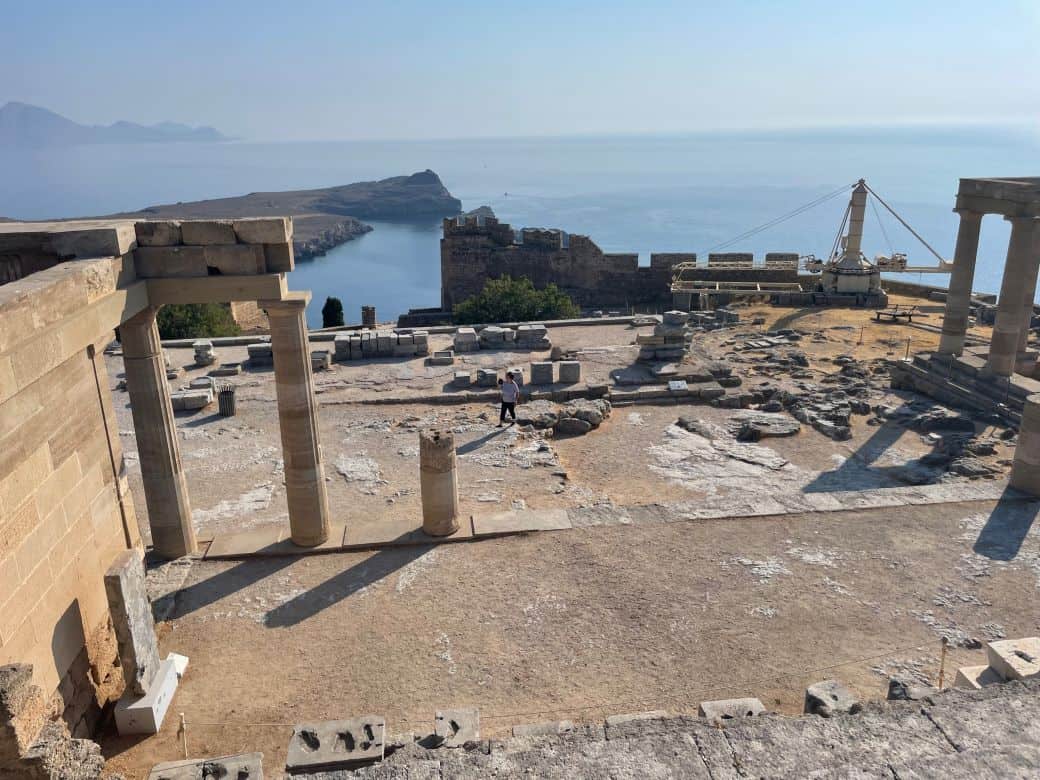
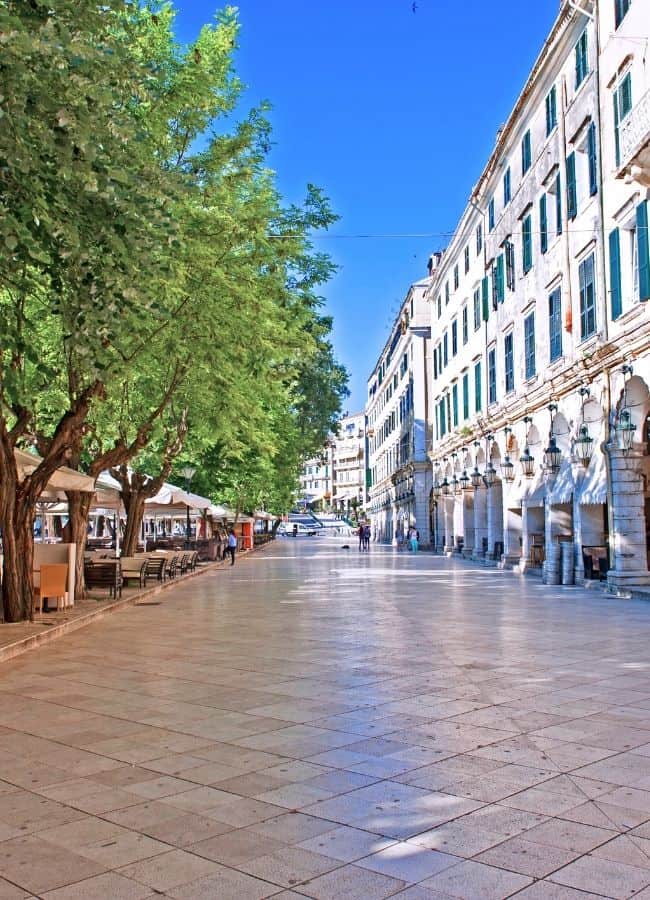
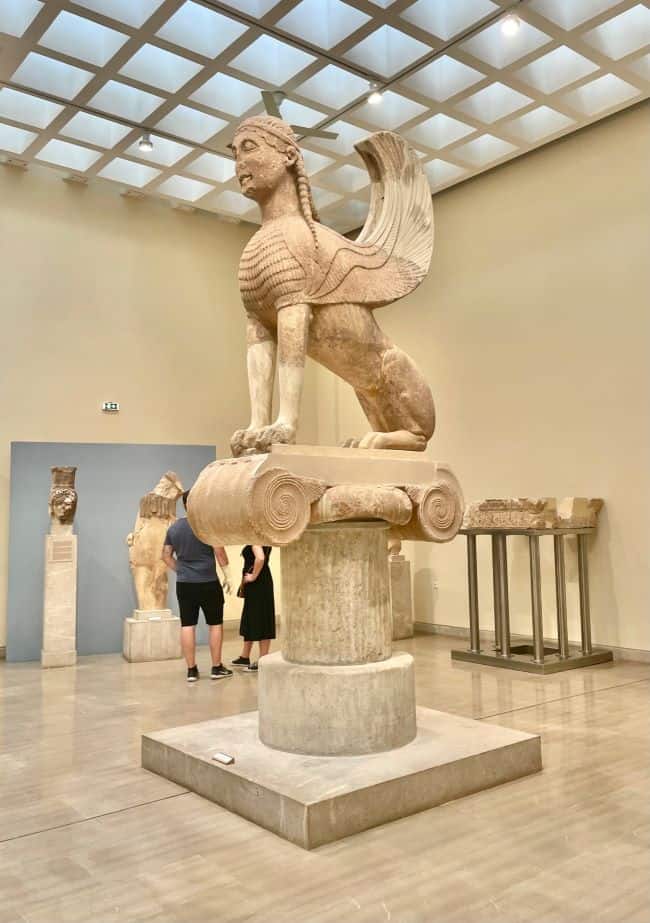
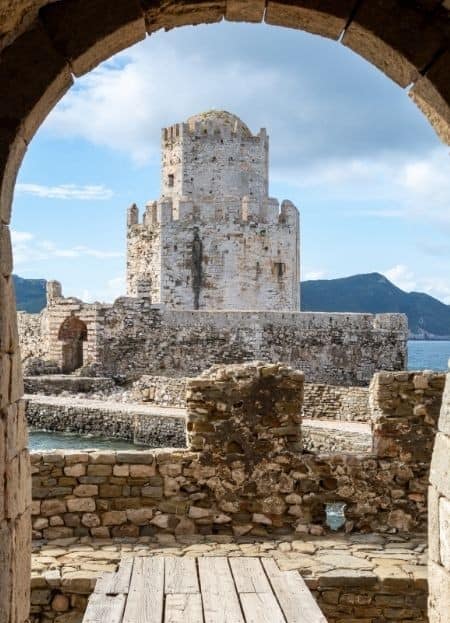
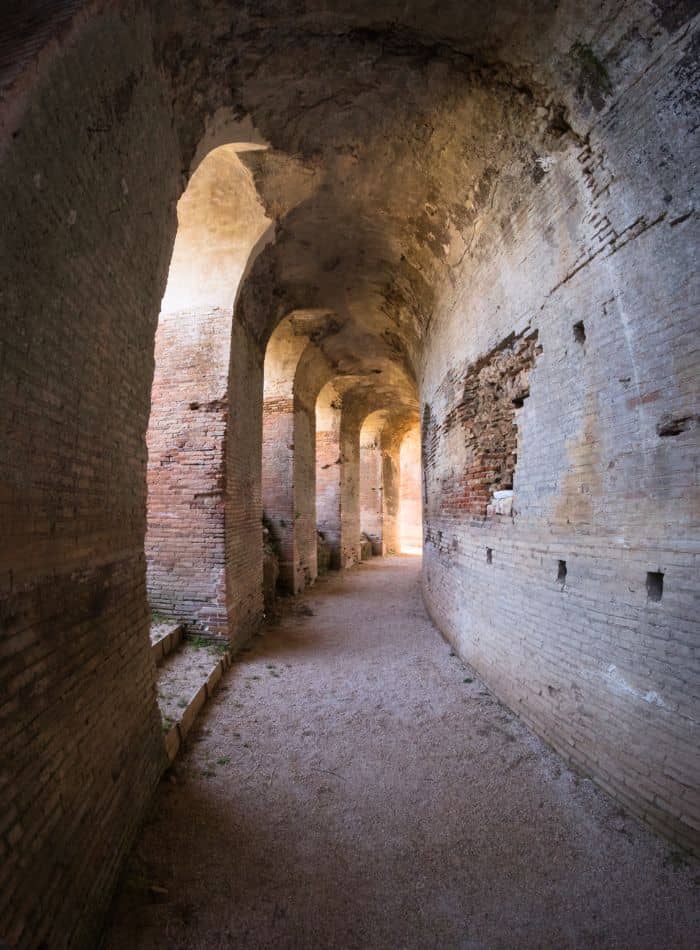
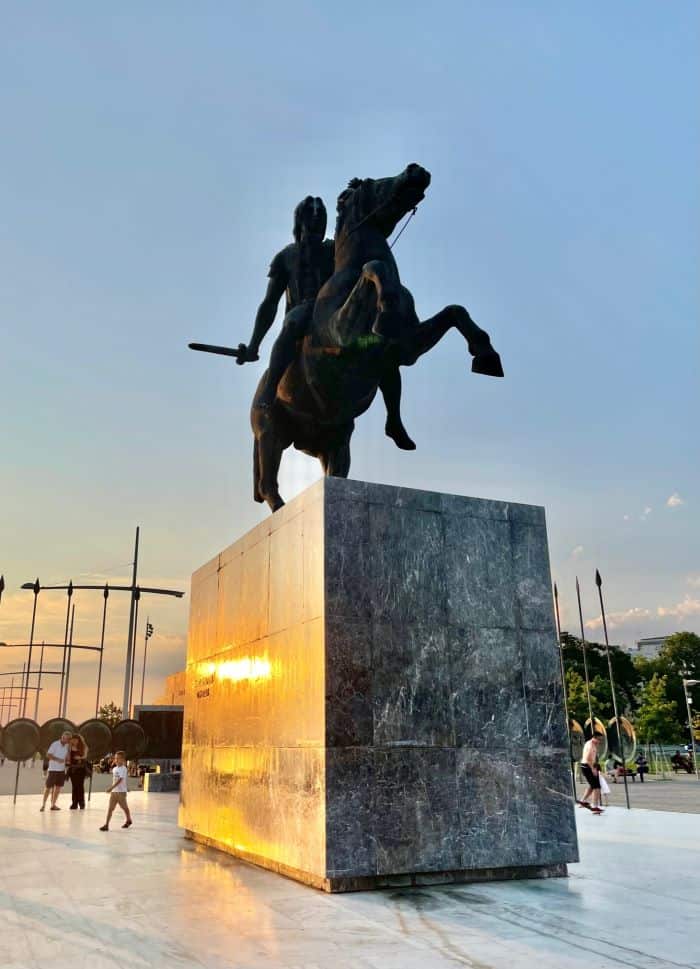
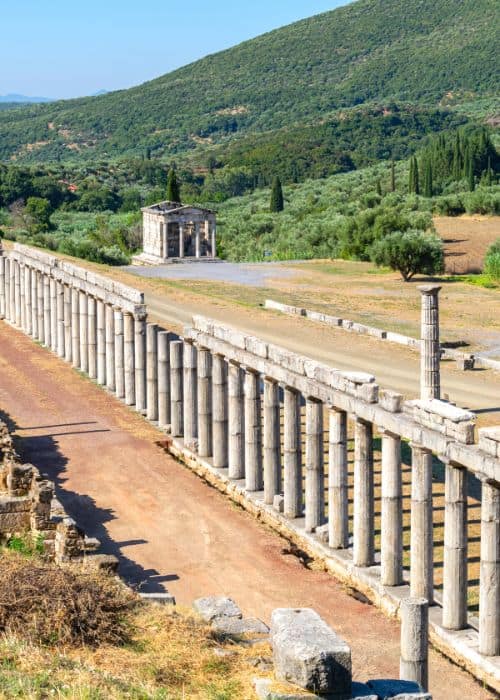
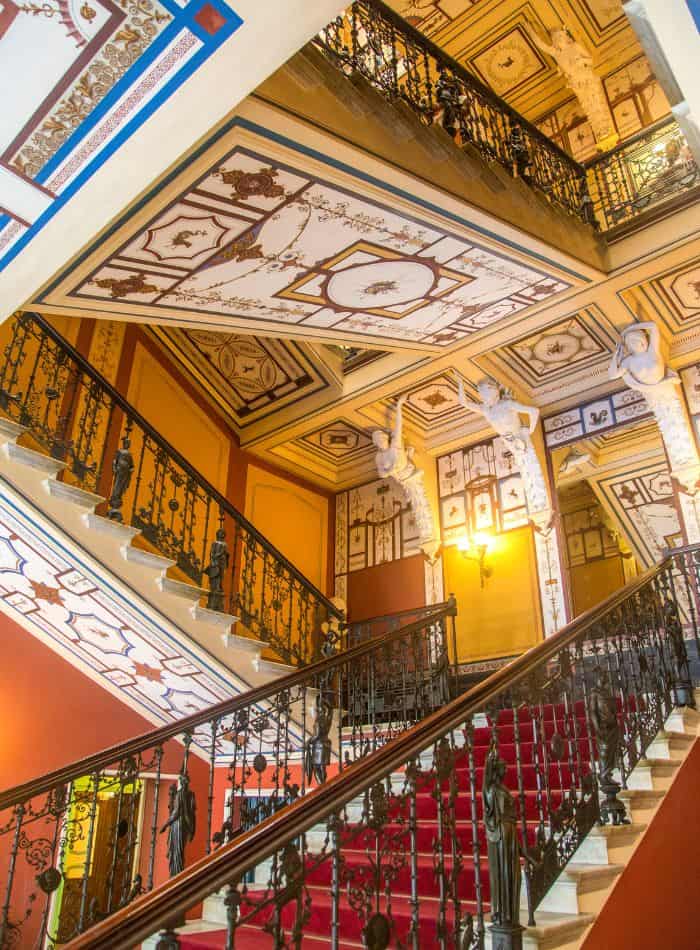
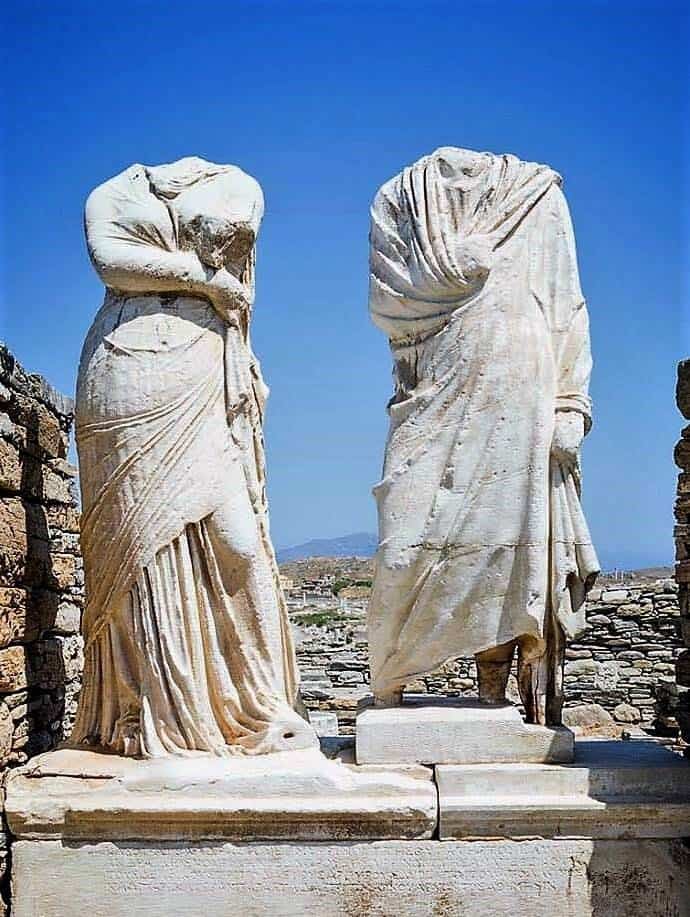
Best time to visit Greece or History
April – November
Where to go?
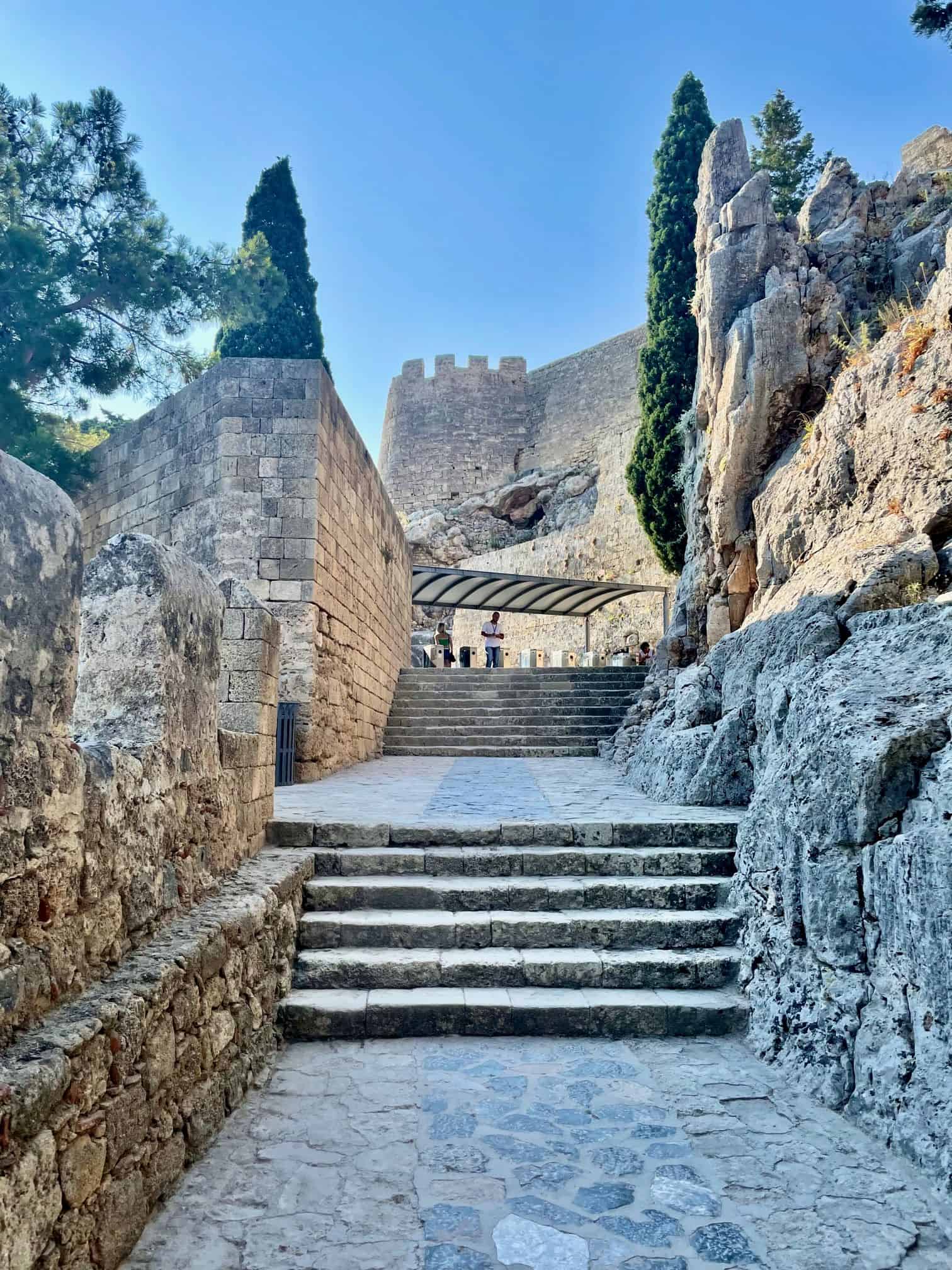
Most of the key sites are on the Mainland, though some islands, such as Rhodes, Samos, Kos, Crete, and Delos, also host significant sites.
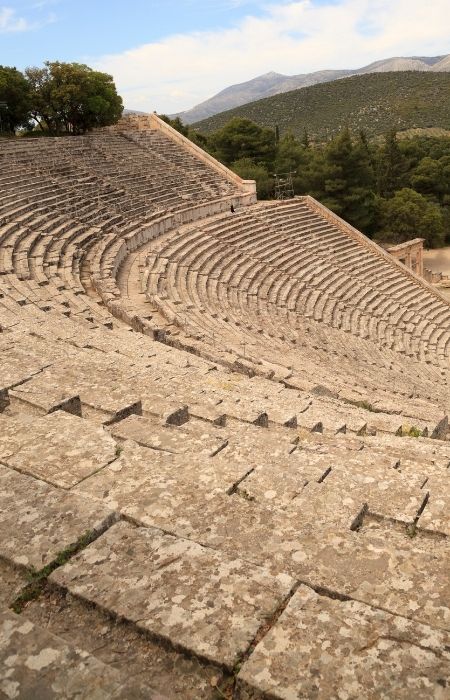
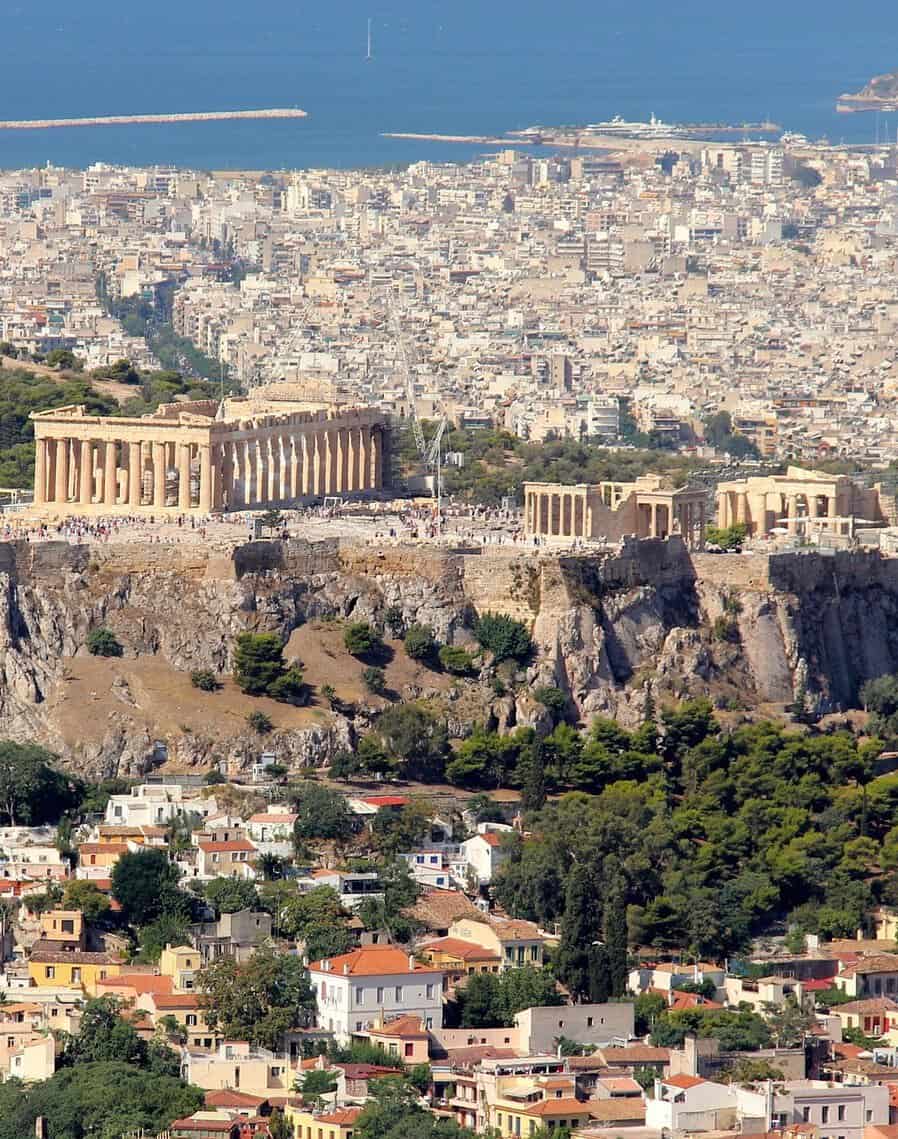
The Acropolis, Delphi, Olympia, Mycenae, Epidaurus and Knossos consistently rank among the most searched and visited sites, as they offer clear insight into the significant periods of Greek civilisation.
What is the difference between Greek history and Greek mythology?
History refers to documented events and archaeological evidence, while mythology consists of traditional stories that explain natural phenomena, convey moral lessons, and shape cultural identity. Travellers often want to understand where one ends and the other begins.
How old are Greece’s ancient sites?
Greece’s earliest organised settlements date to the Neolithic period, around 7,000 to 6,000 BC. Major civilisations followed, including the Cycladic, Minoan and Mycenaean cultures of the Bronze Age, well before Classical Athens. By the time the Parthenon was built in the 5th century BC, Greece had already undergone thousands of years of cultural development.
YOU MAY ALSO LIKE
