
Corfu
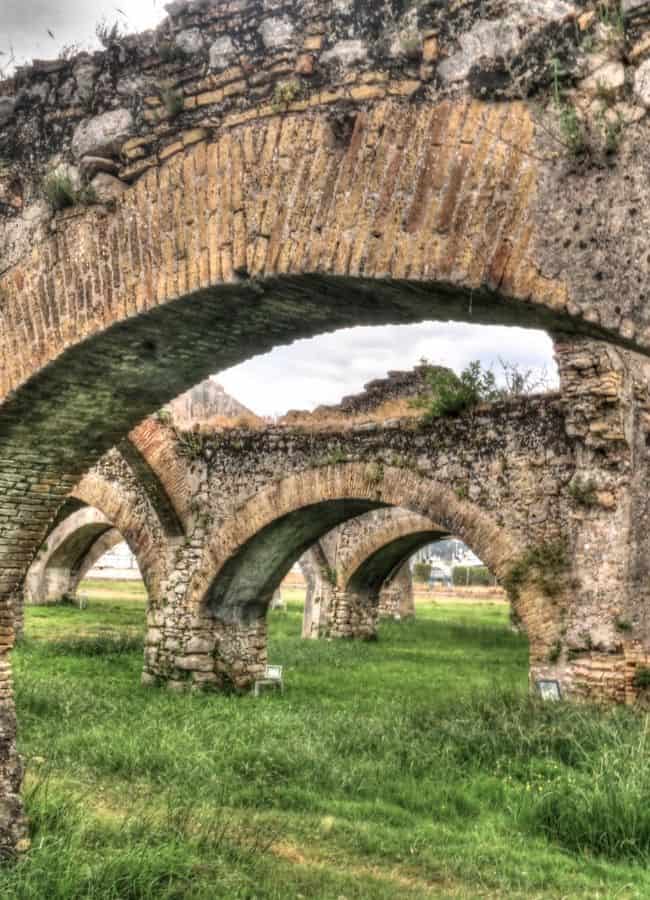
Corfu is located in the northern Ionian Sea, opposite the coast of the Greek mainland and southern Albania, and is the west most part of Greece. Occupied over time by the Italians, French and British it became part of Greece again in 1864. Its long and colourful history and the influences from the occupying countries make it a fascinating place to visit.
Northwest of Corfu there are three small islands, named Othoni Mathraki and Erikoussa respectively, known as the Diapontian islands, and to the south are the islands of Paxos and antiPaxos. Together they form the Prefecture of Corfu.
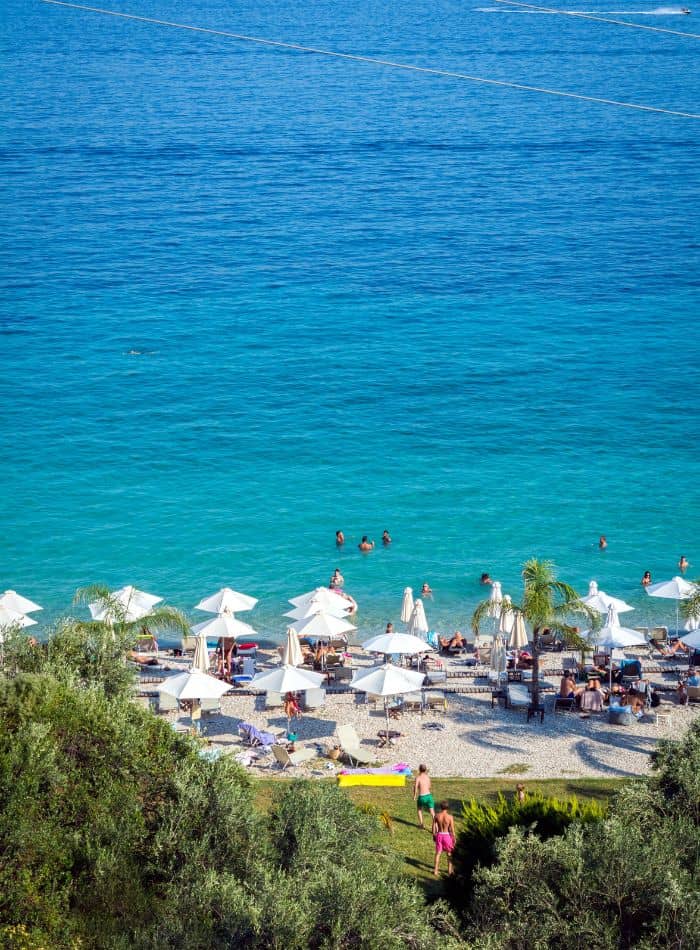
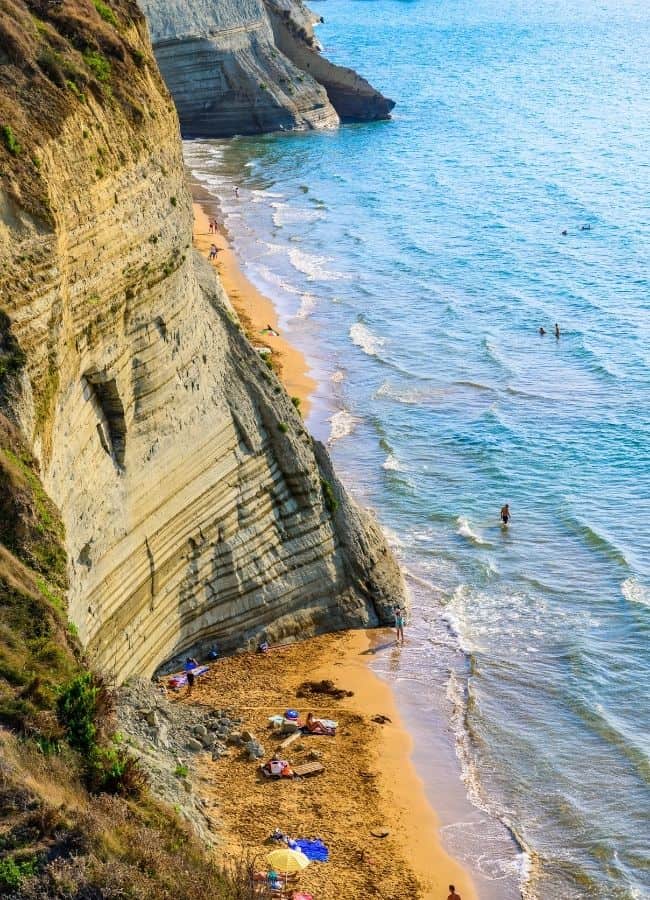
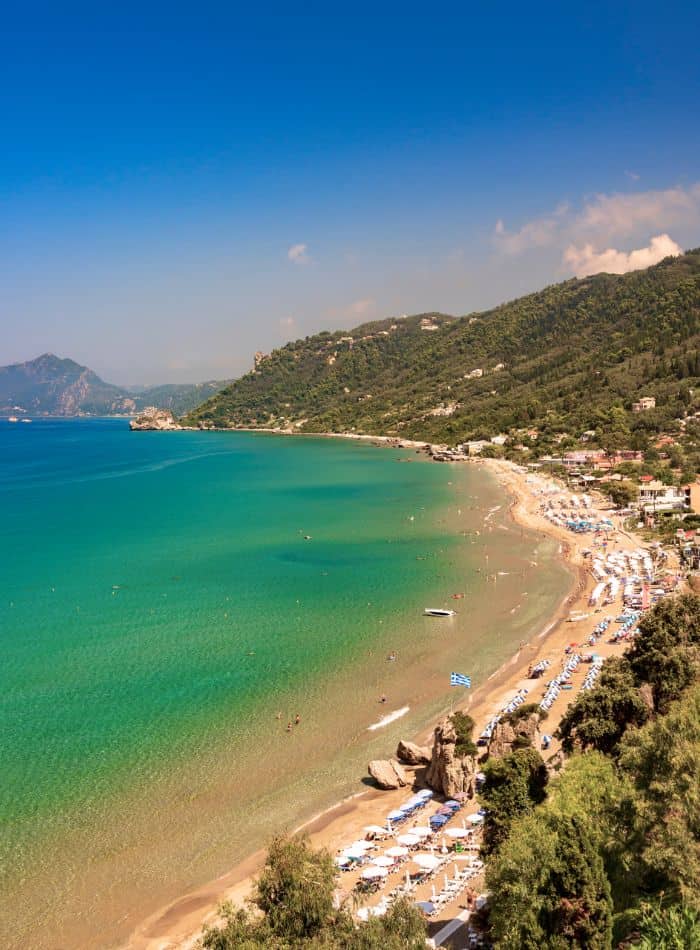
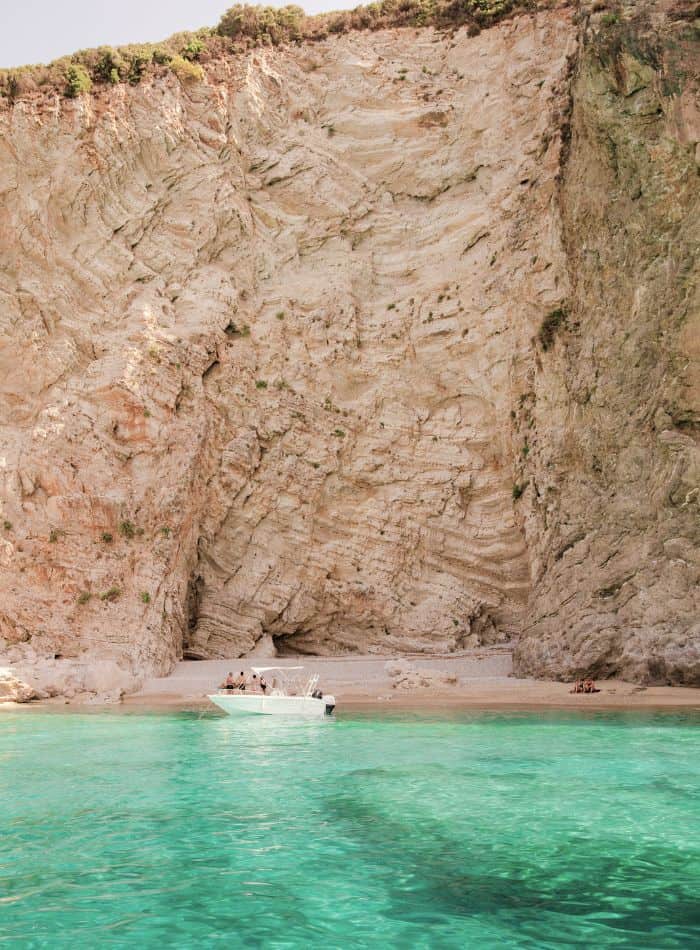
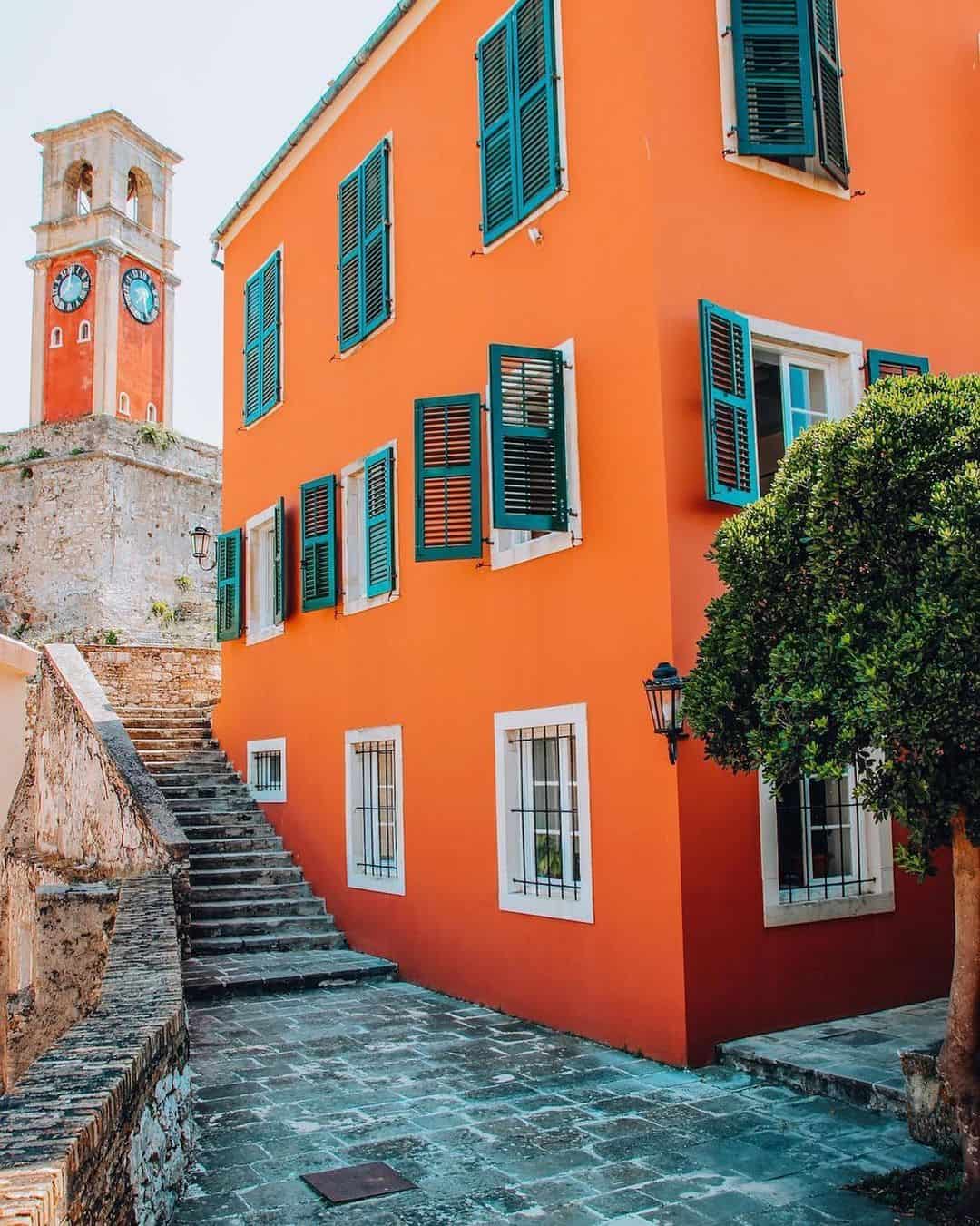
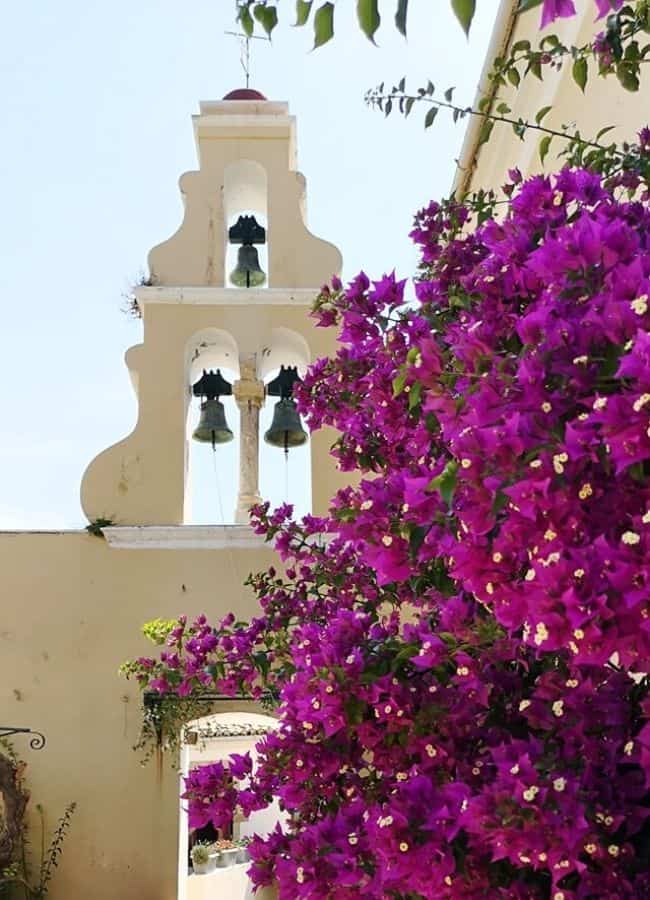
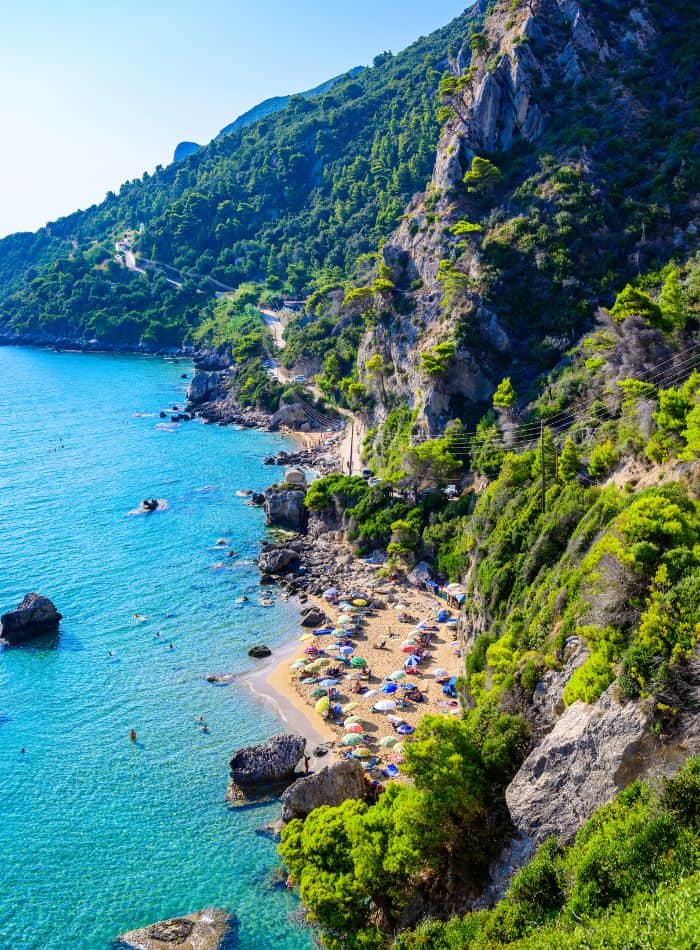
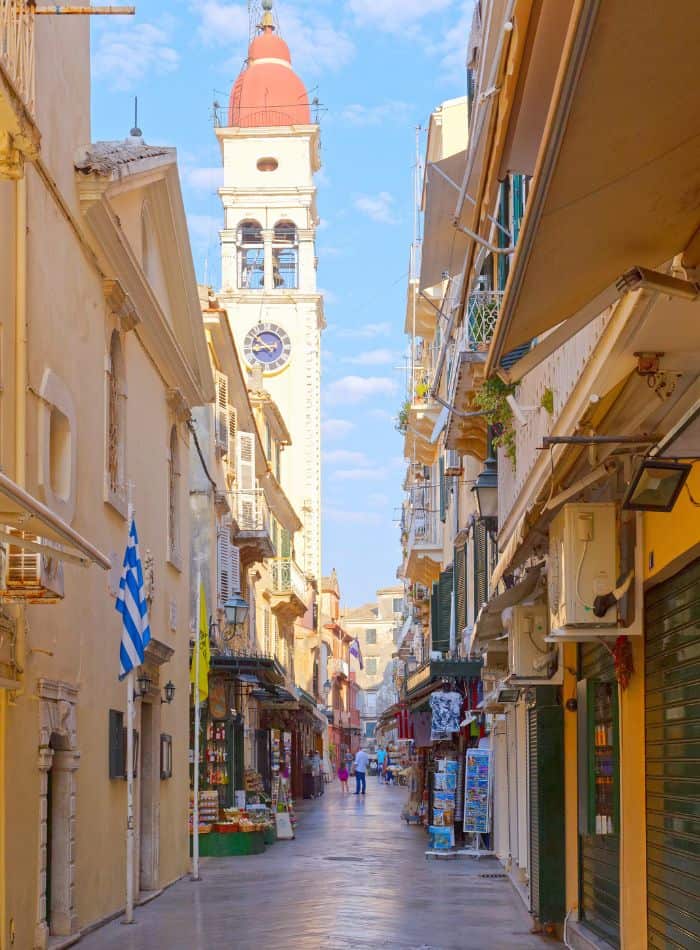
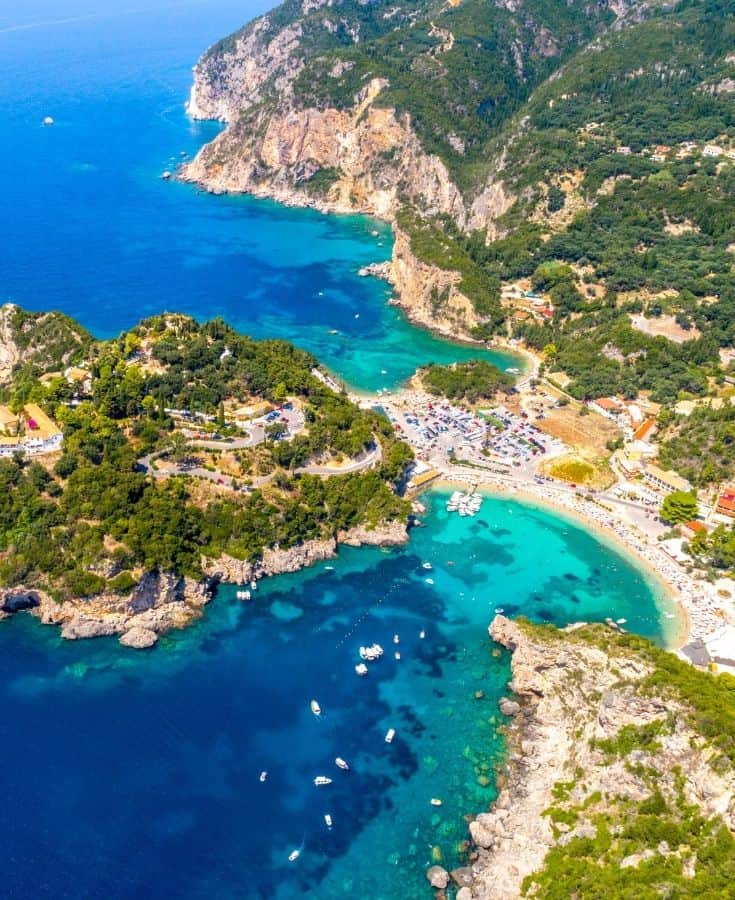
Corfu is thought by many to be one of the most beautiful islands of them all and it’s easy to see why. Its a large island with verdant green hills and mountains and offers an impressive variety of flora, deserted beaches, crystal azure water, narrow paths through thick, perennial olive trees, Byzantine churches and medieval villages.
There are many traditional Greek tavernas, modern cafes and department stores as well as modern accommodation and amusement parks. It’s a boating and water sports enthusiasts paradise and it truly does cater for everyone from big All-inclusive resorts to tiny traditional rooms in local homes.
Easter - November
3+ days
Ioanian Islands
What to expect
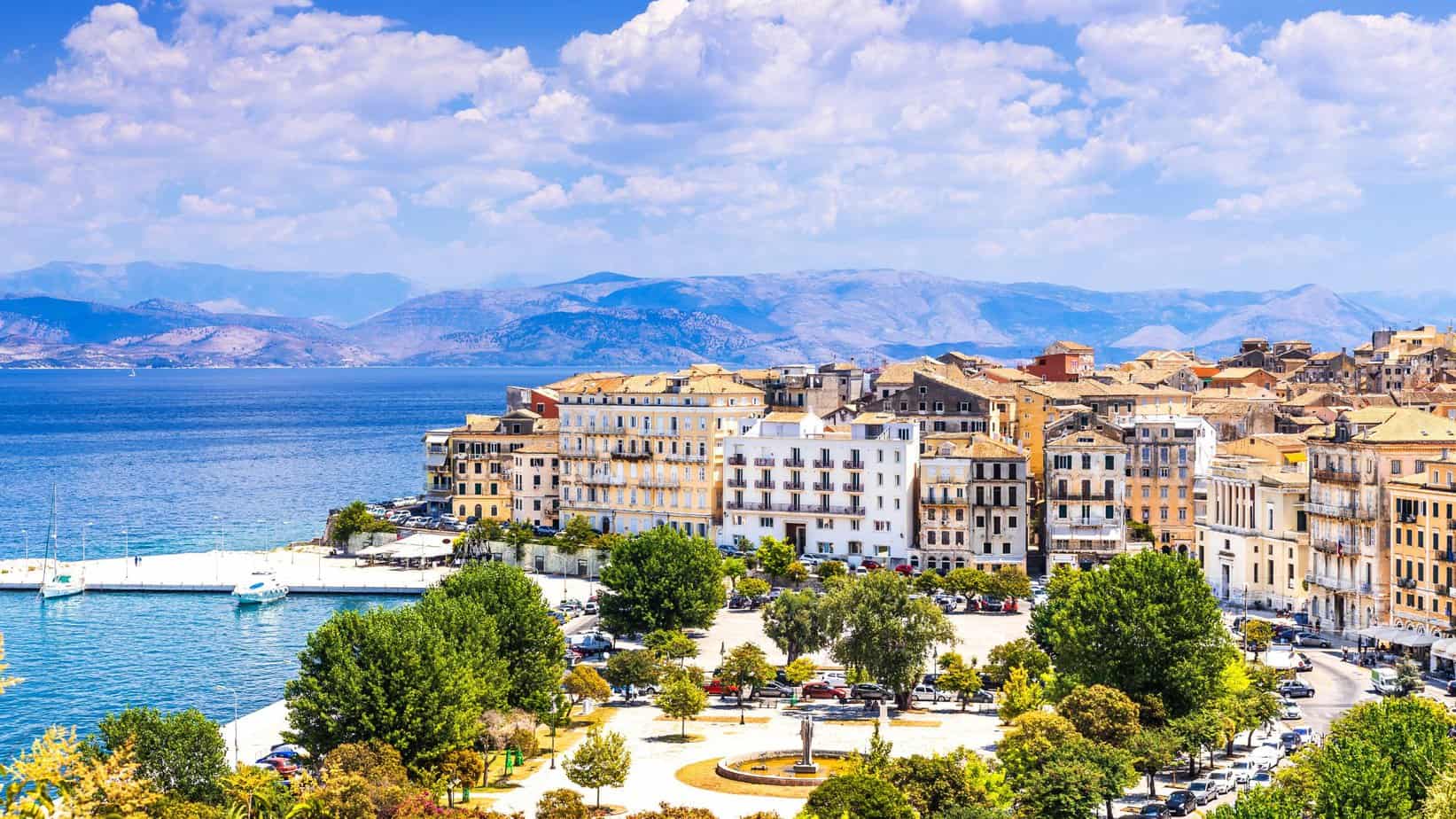
Although it’s the capital of the Ionians and a busy island, Corfu offers a polished, green, culturally rich destination with a bit of everything.
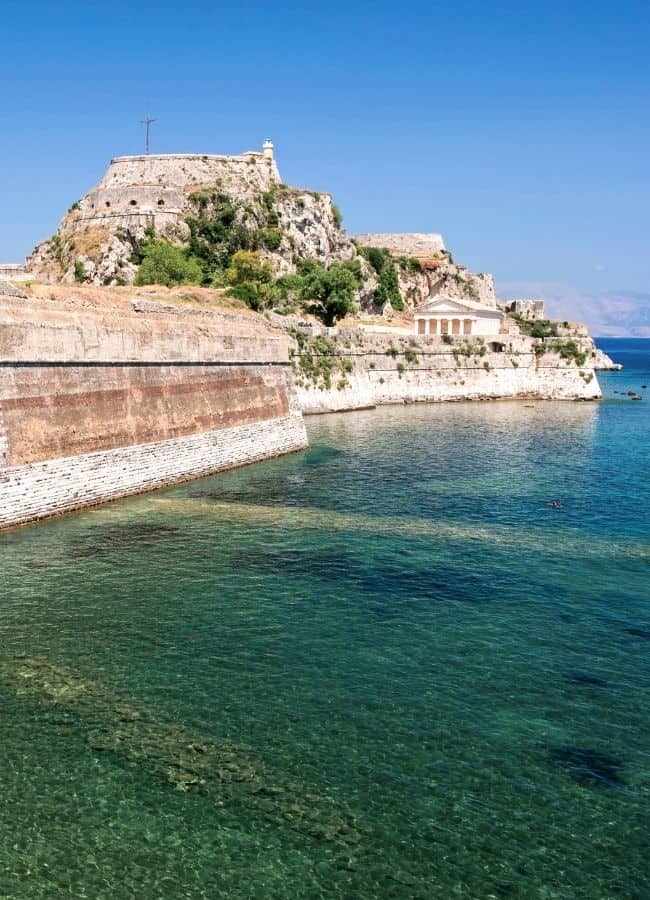
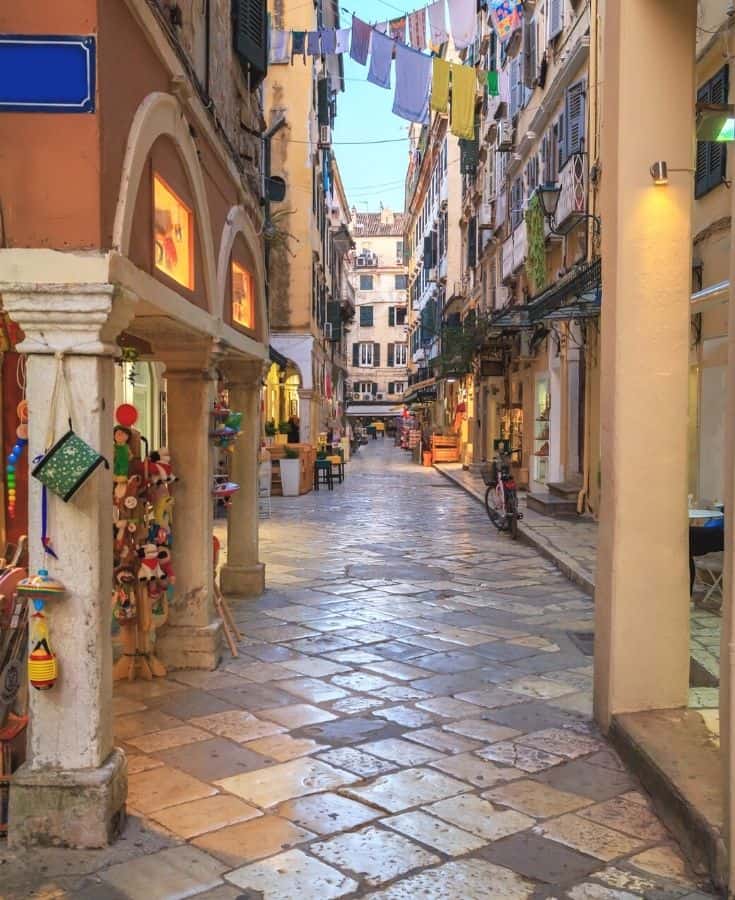
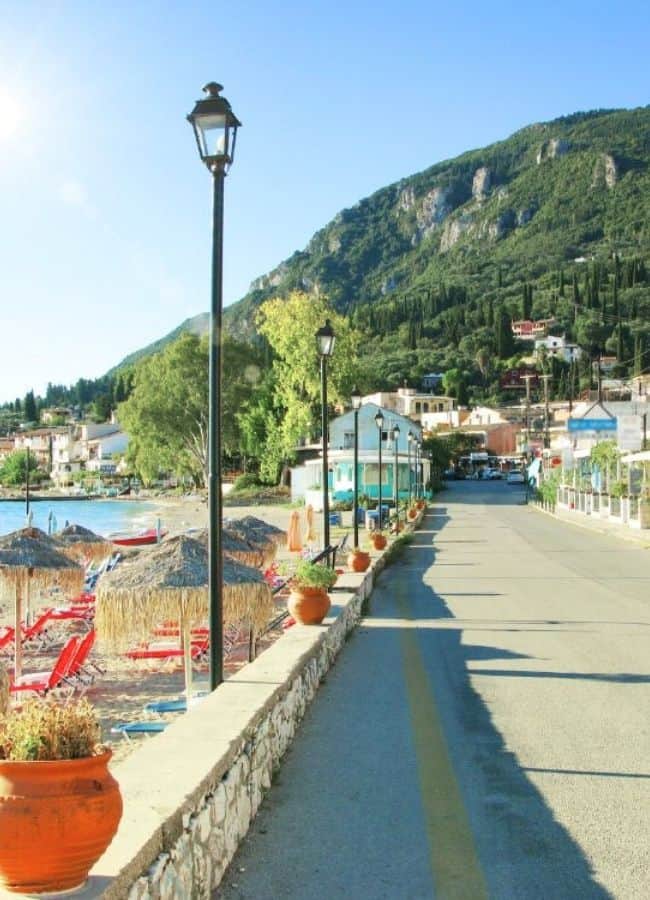
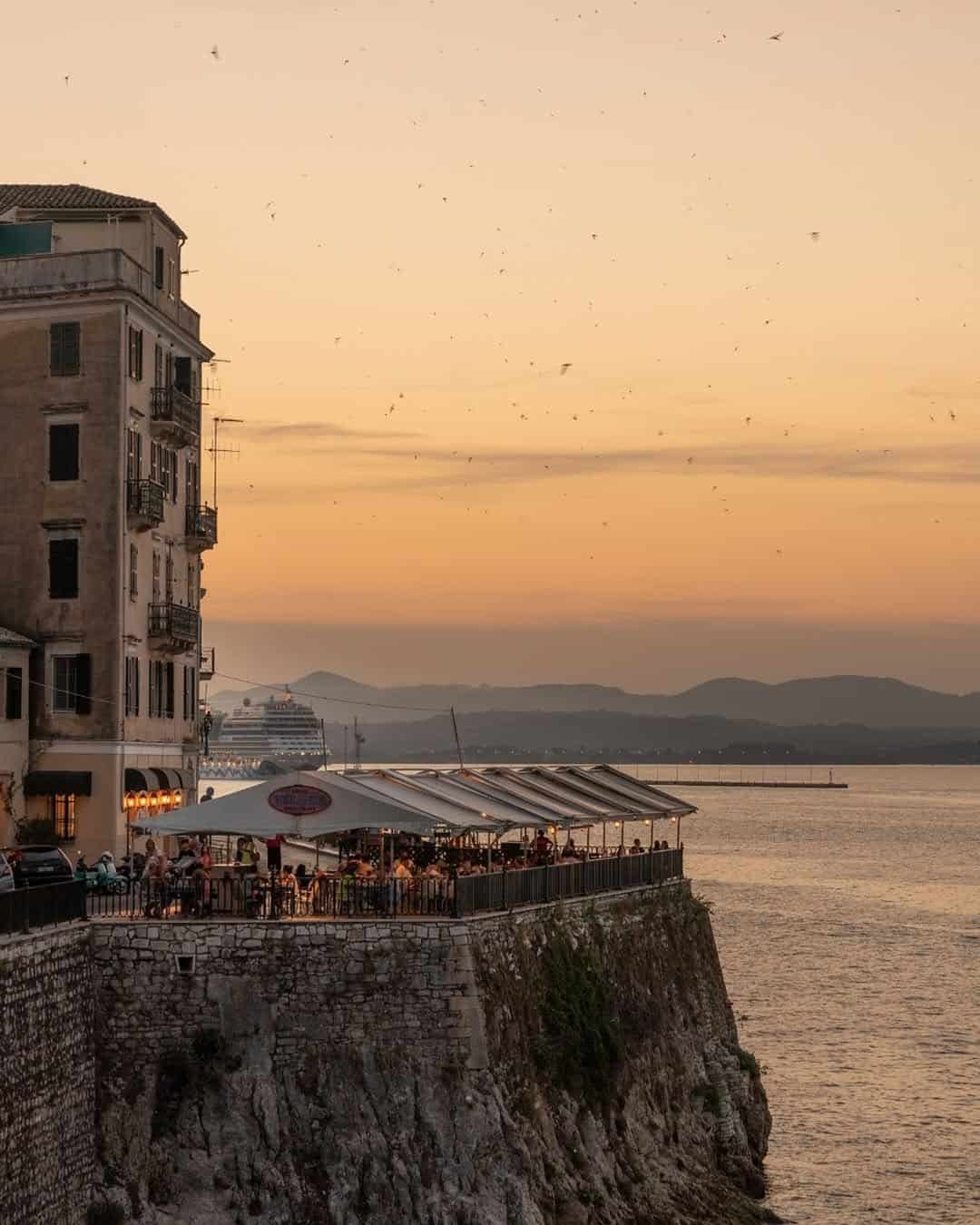
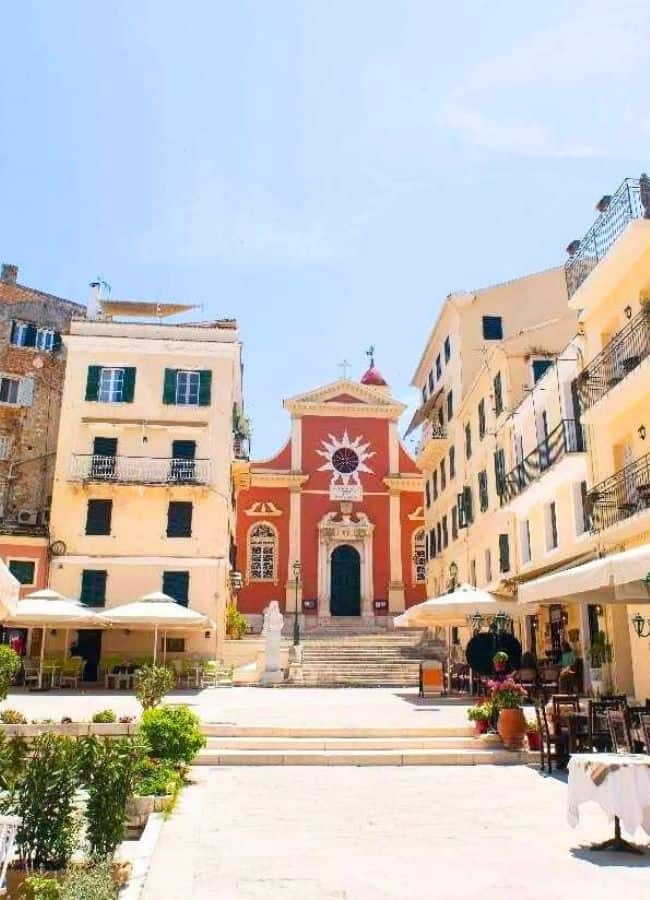
Expect Venetian architecture in Corfu Town, long sandy beaches on the west coast, calm bays on the east and plenty of lively resorts.
It is one of Greece’s most diverse islands: coastal walks, fortresses, wineries, villages and an intense local food scene built around olive oil and kumquats.
A car is practical, the scenery is lush, and the overall feel is colourful, warm and welcoming.
Language: Greek, but most people in tourist areas speak English ( and more)
Currency: Euro
Credit Cards and ATMs: You can find ATMs in all major towns and resorts, even in mini marts, travel agencies and some hotel lobbies. Visa and Mastercard are widely accepted.
Plugs: The plugs in Greece are Type C and F. The standard voltage is 230 V, and the standard frequency is 50Hz.

Best time to visit Corfu
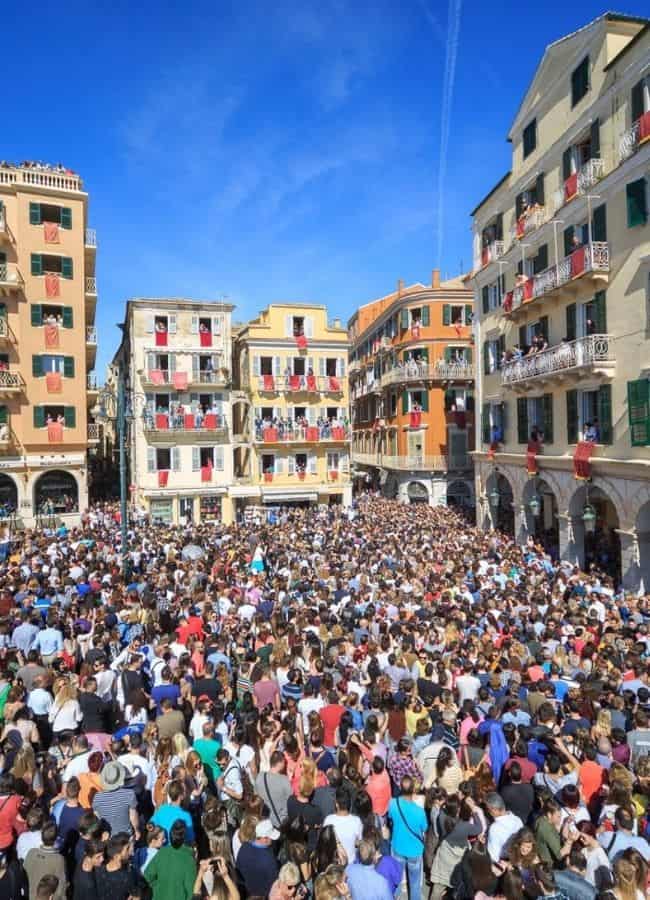
Easter is a big deal.
Otherwise May – October
How long to go for
At least 3 nights but 5 is better

How to get around Corfu
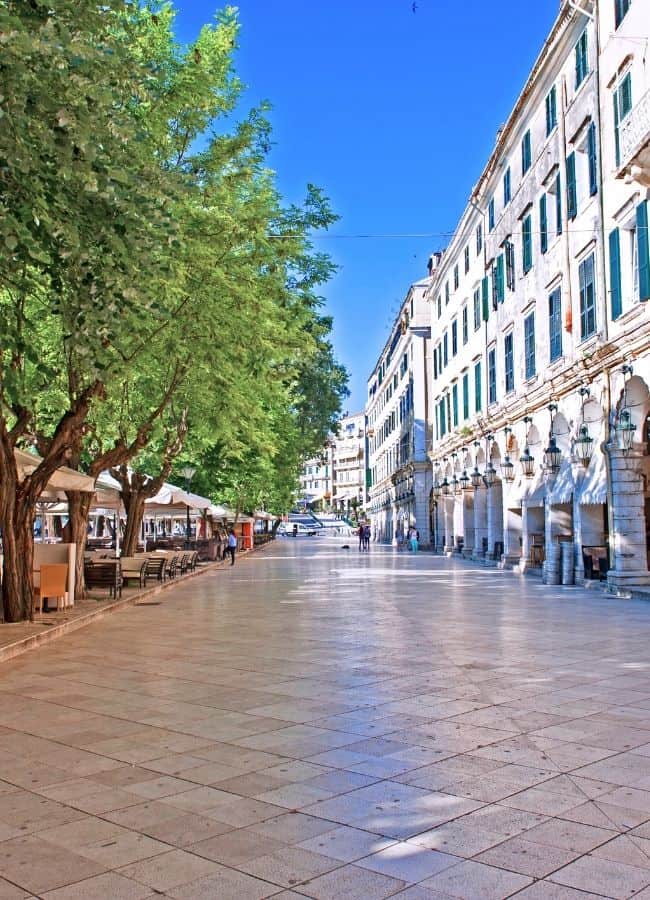
It’s a big island and things are spread out, so a car is best, although you don’t need one in Corfu Town
Where should I saty in Corfu?
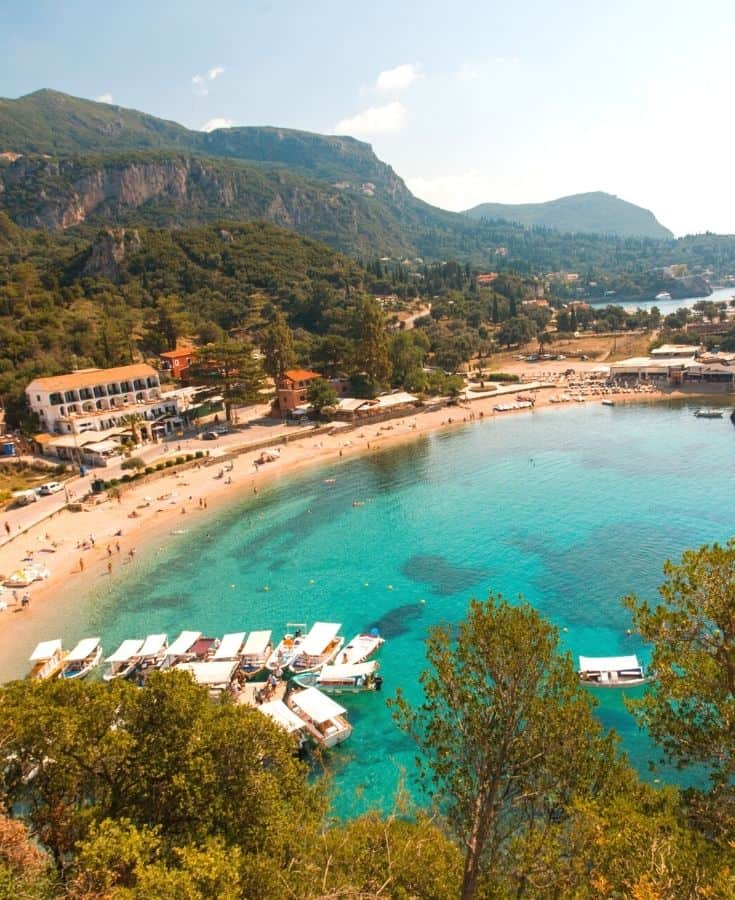
Corfu Town for culture, Paleokastritsa for scenery, Dassia and Gouvia for convenience, Sidari and Kavos for nightlife, Agios Gordios for relaxed beaches.
What are the must see highlights of Corfu?
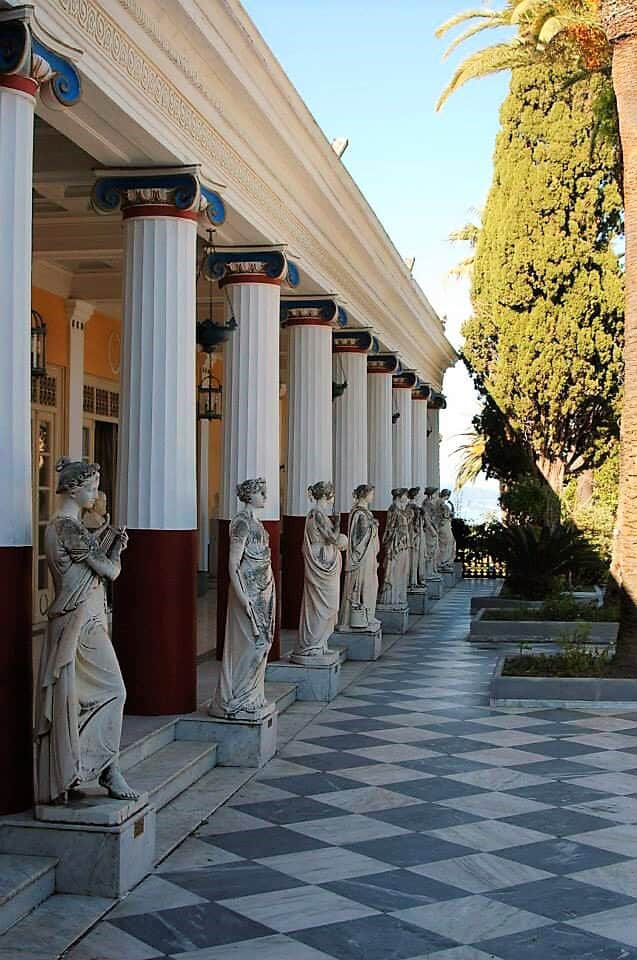
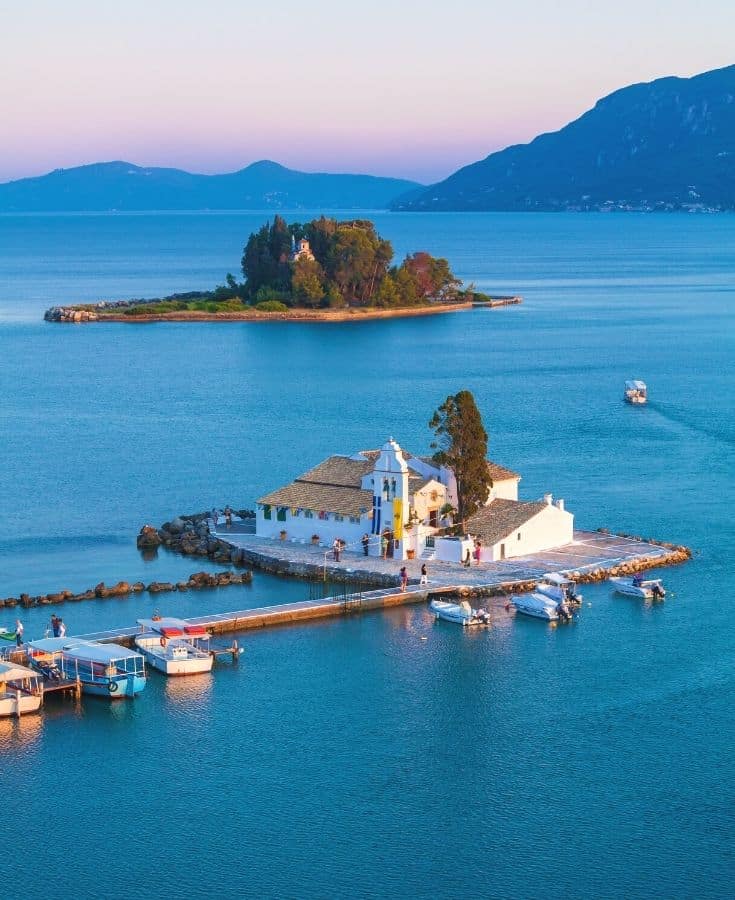
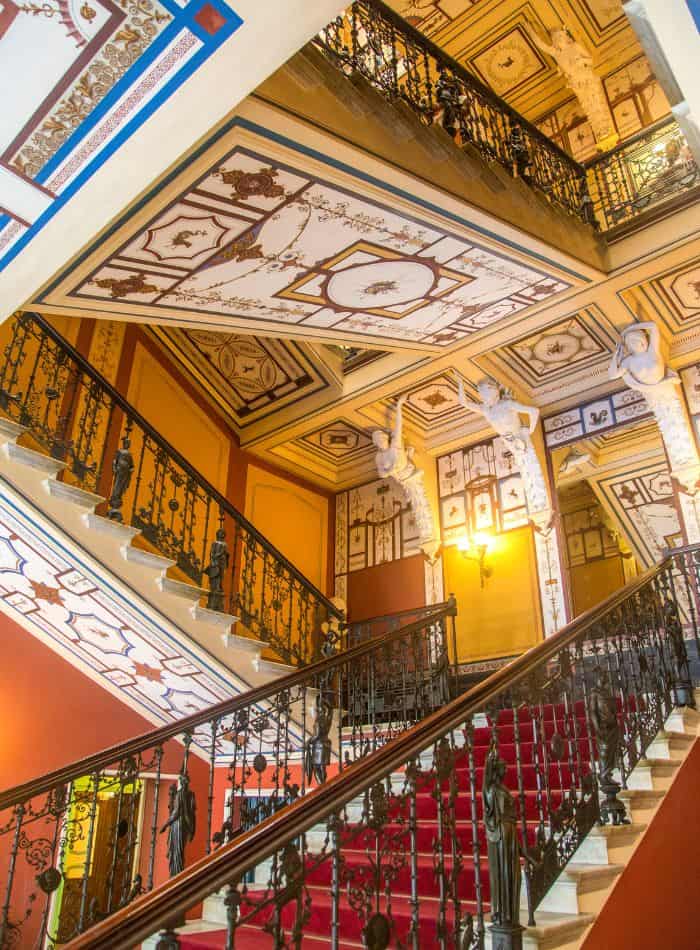
Corfu Old Town, Paleokastritsa, Angelokastro, Kanoni viewpoint, Achilleion Palace and the west coast beaches.
Do I need a car?
You don’t need one for Corfu Town, and much of it is car-free anyway.
After a few days, get a hire car as the island is large, and its best viewpoints, villages and beaches are spread out.
Is Corfu Expensive?
Overall, it is moderate. There are plenty of mid-range and even budget options, with prices rising in popular coastal areas.


YOU MAY ALSO LIKE
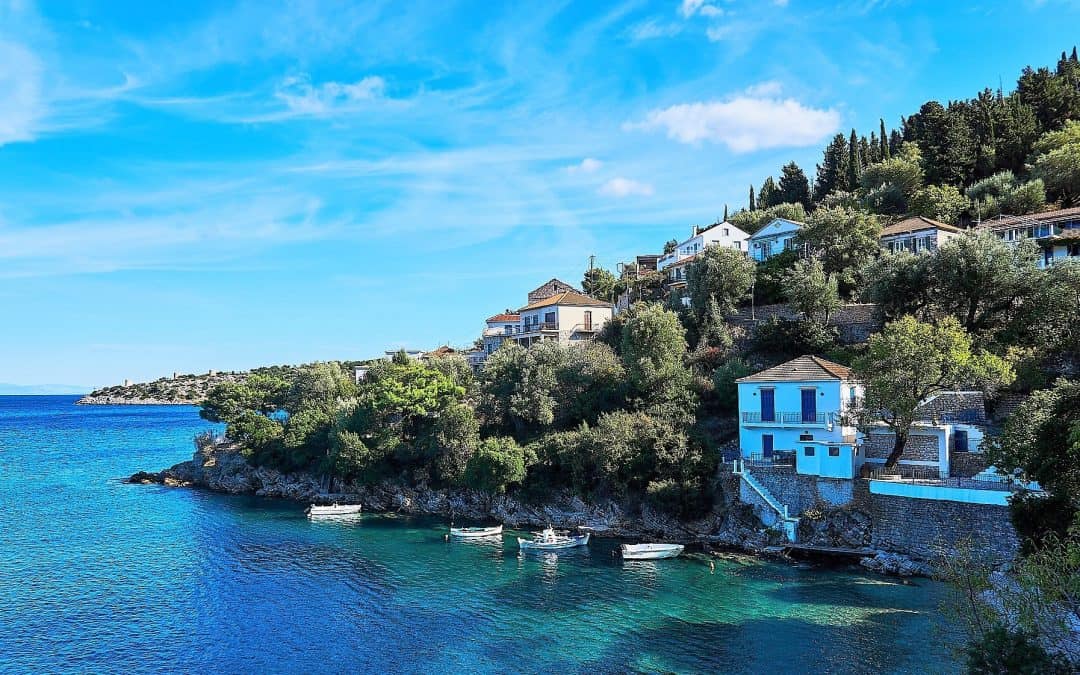
FOLLOW IN THE FOOTSTEPS OF ODYSSEUS: VISIT THE ISLAND OF ITHACA,GREECE
In Homer's The Odyssey the Trojan War hero, Odysseus, must face a 10-year battle to return to his...
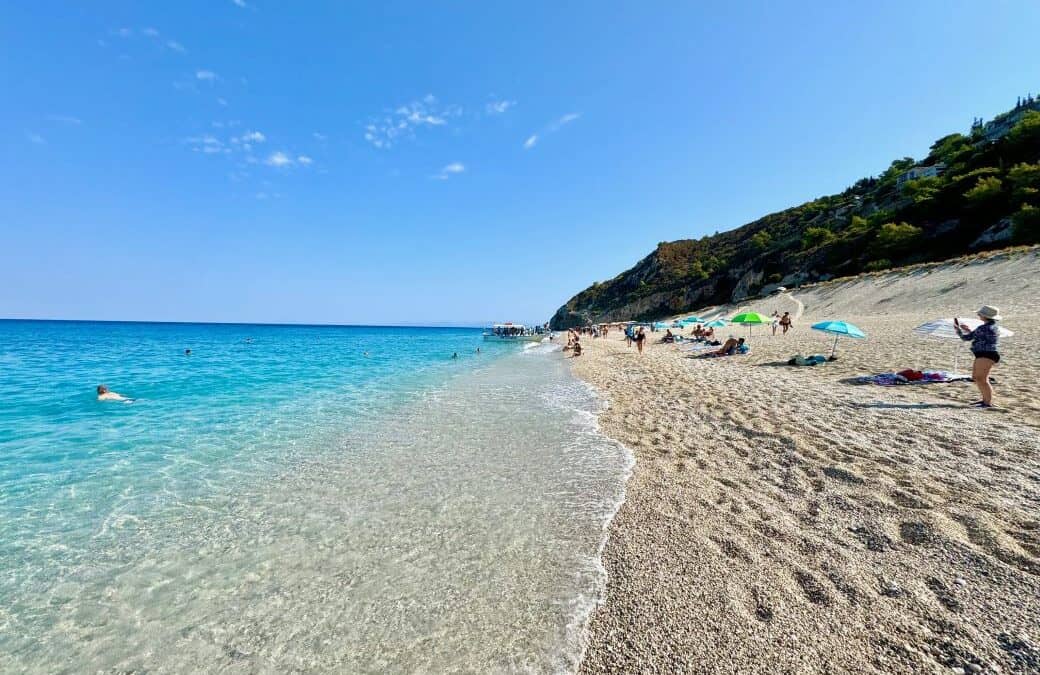
A GUIDE TO THE TOP LEFKADA BEACHES
Located in the middle of the verdant Ionian islands Lefkada offers some of the most scenic and...
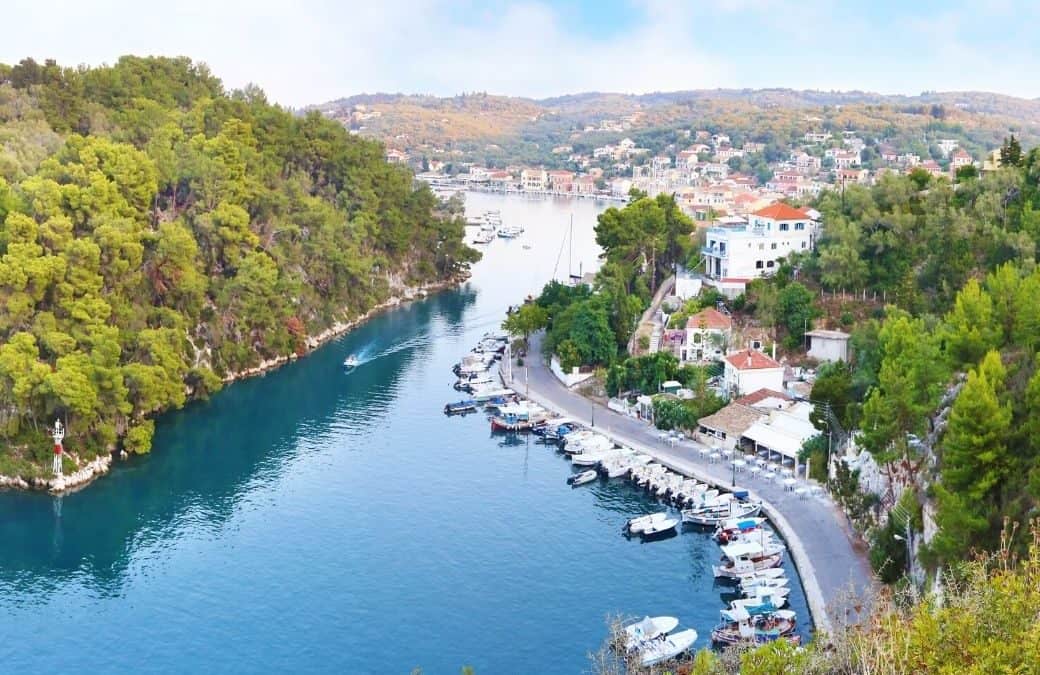
A COMPLETE GUIDE TO THE MAGICAL ISLAND OF PAXOS GREECE
Located south of Corfu in the Ionian Islands, Paxos Greece is an idyllic Greek Island that many...
FOLLOW IN THE FOOTSTEPS OF ODYSSEUS: VISIT THE ISLAND OF ITHACA,GREECE
In Homer's The Odyssey the Trojan War hero, Odysseus, must face a 10-year battle to return to his...
A GUIDE TO THE TOP LEFKADA BEACHES
Located in the middle of the verdant Ionian islands Lefkada offers some of the most scenic and...
A COMPLETE GUIDE TO THE MAGICAL ISLAND OF PAXOS GREECE
Located south of Corfu in the Ionian Islands, Paxos Greece is an idyllic Greek Island that many...
