
GREEK CULTURE
Greek culture makes itself known immediately, not through rehearsed tradition but through the way people genuinely live.
It is warm, forthright and built on a social rhythm that has barely wavered in thousands of years.
Yes, food, music, dancing and religion are core pillars. Still, they sit alongside equally powerful forces: family loyalty, the unwritten rules of philoxenia, the national love of conversation, and a language that relies as much on tone and hand gestures as it does on words.
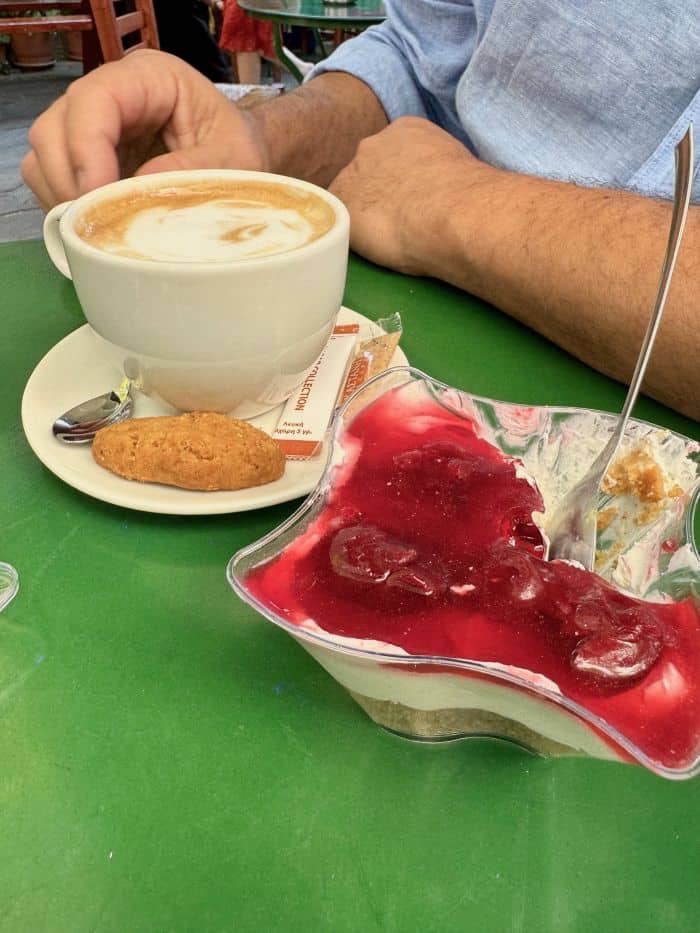
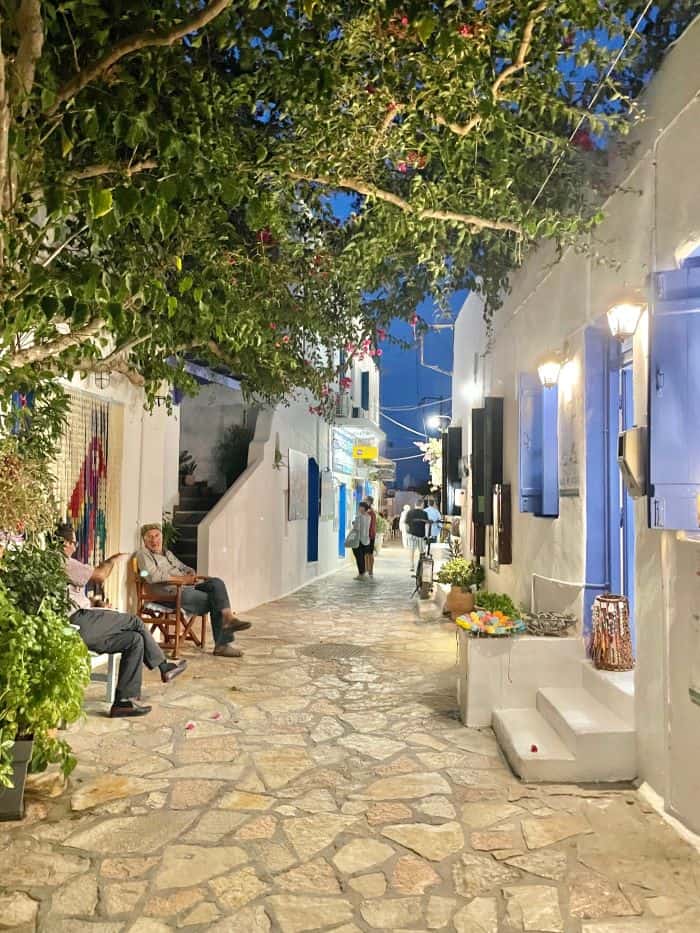
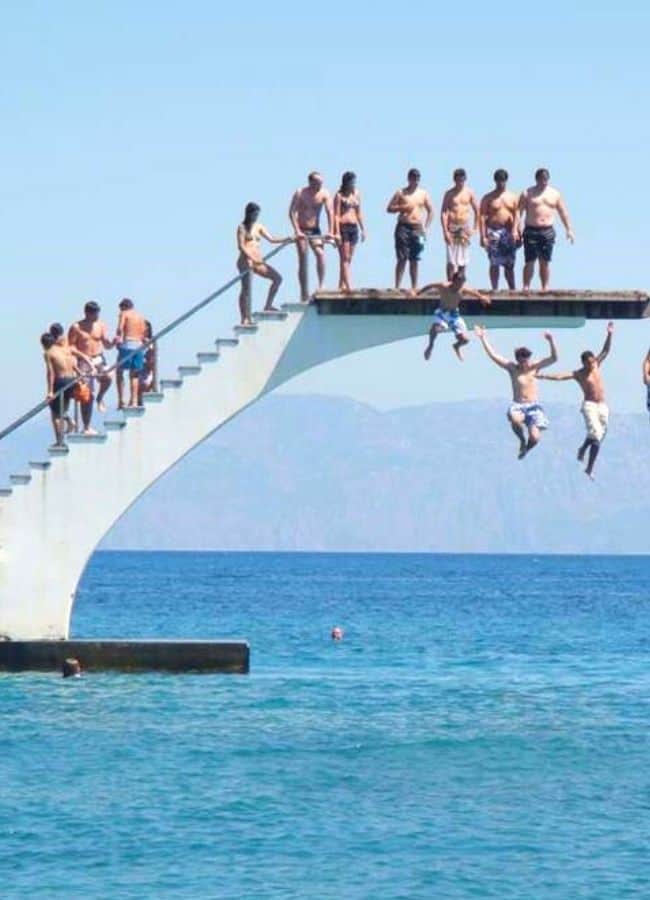
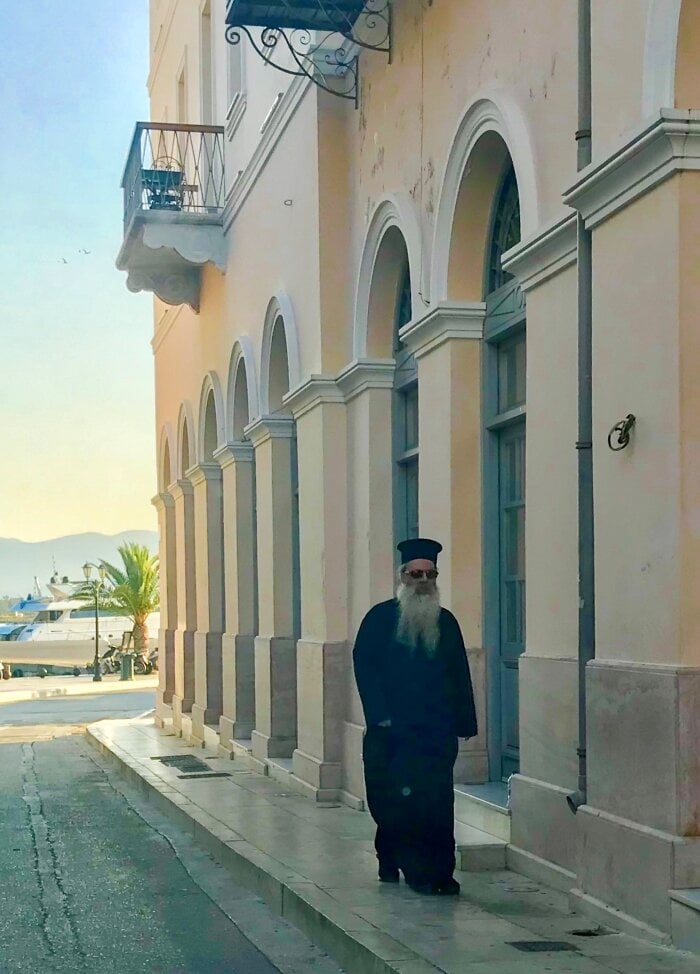
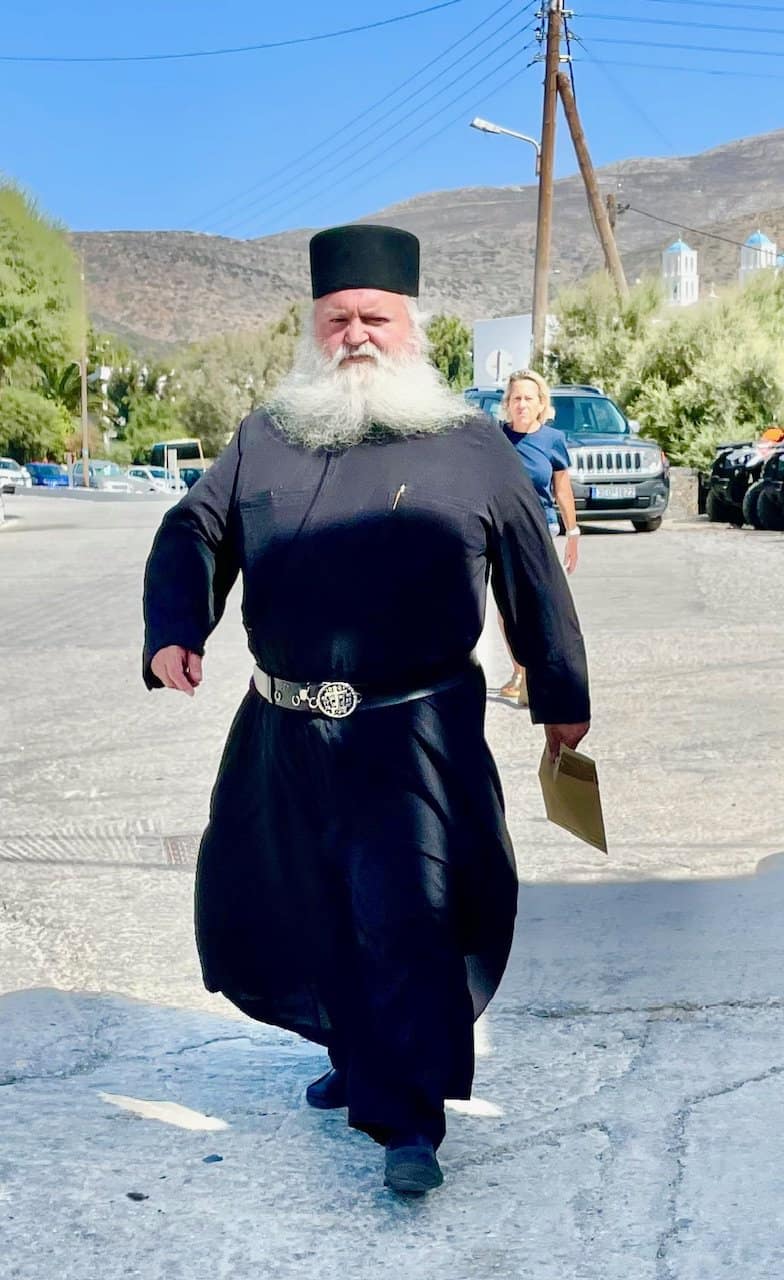
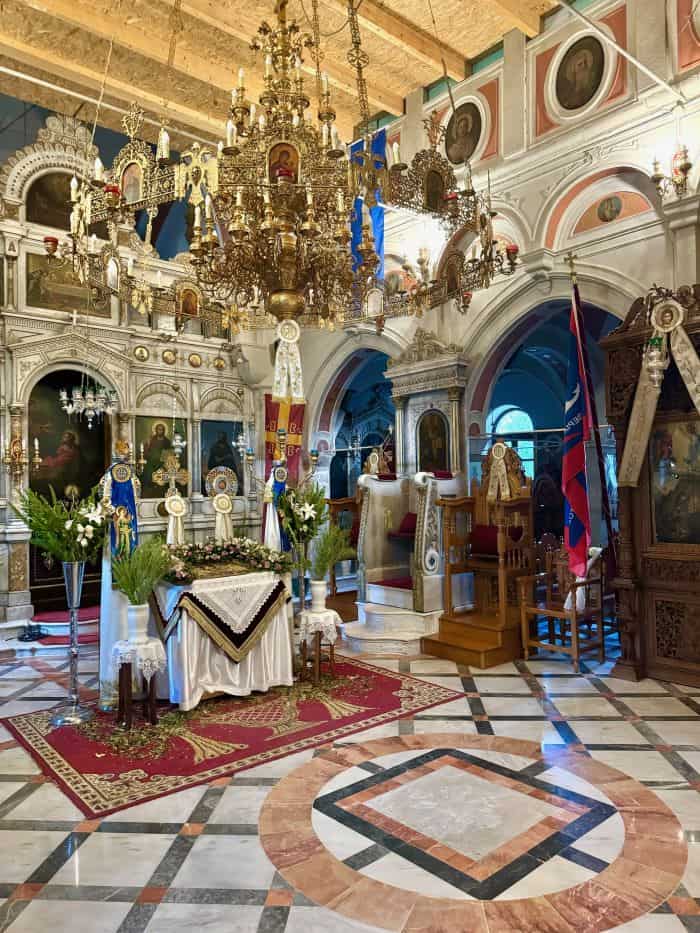
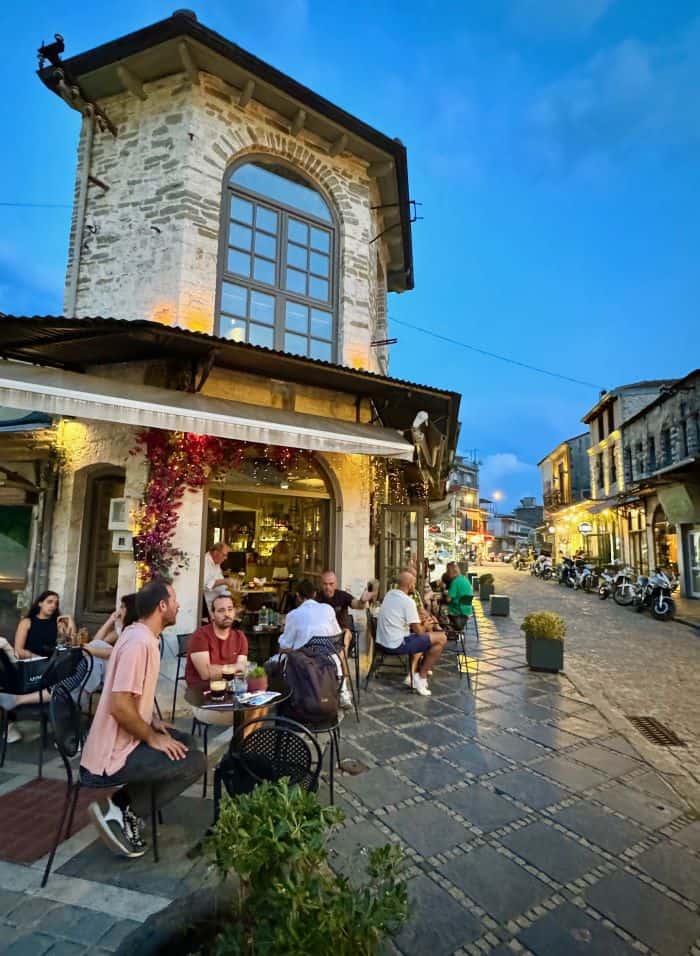
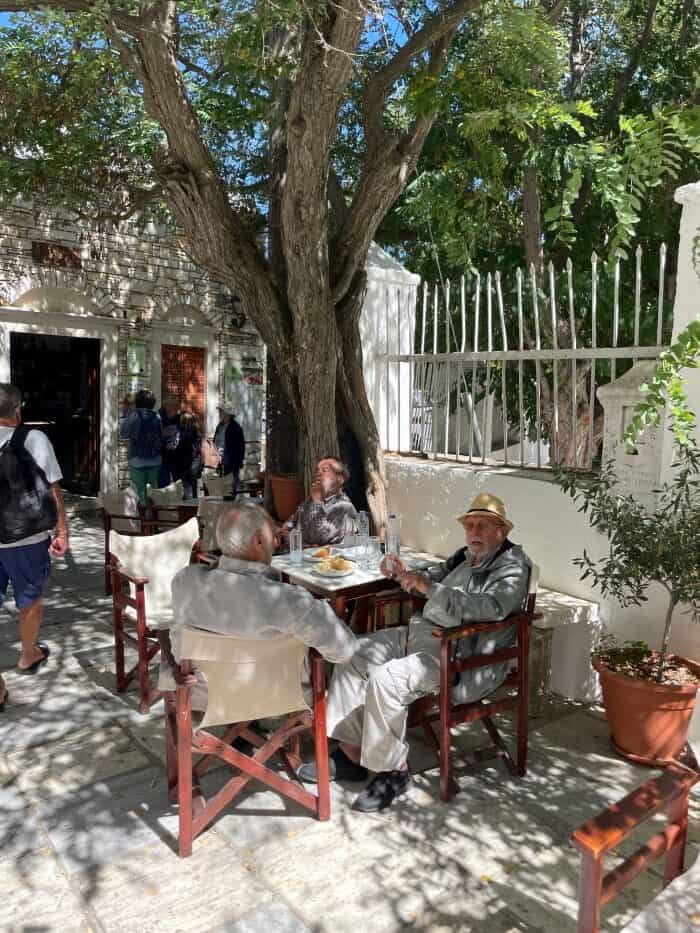
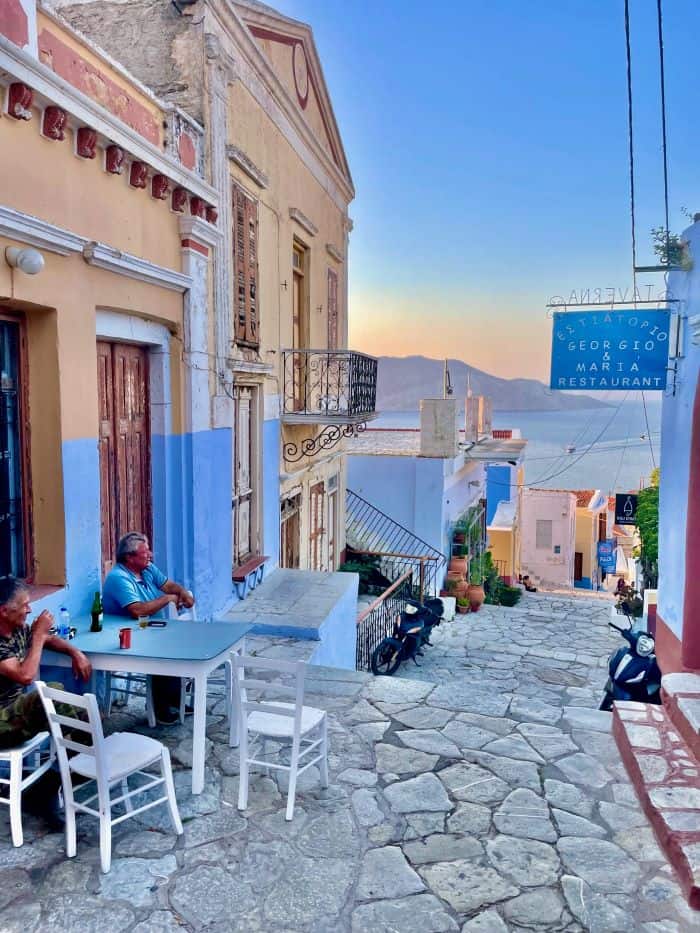
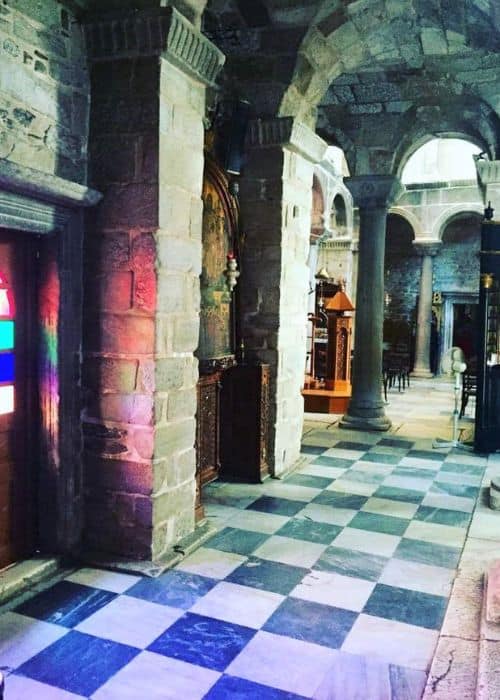
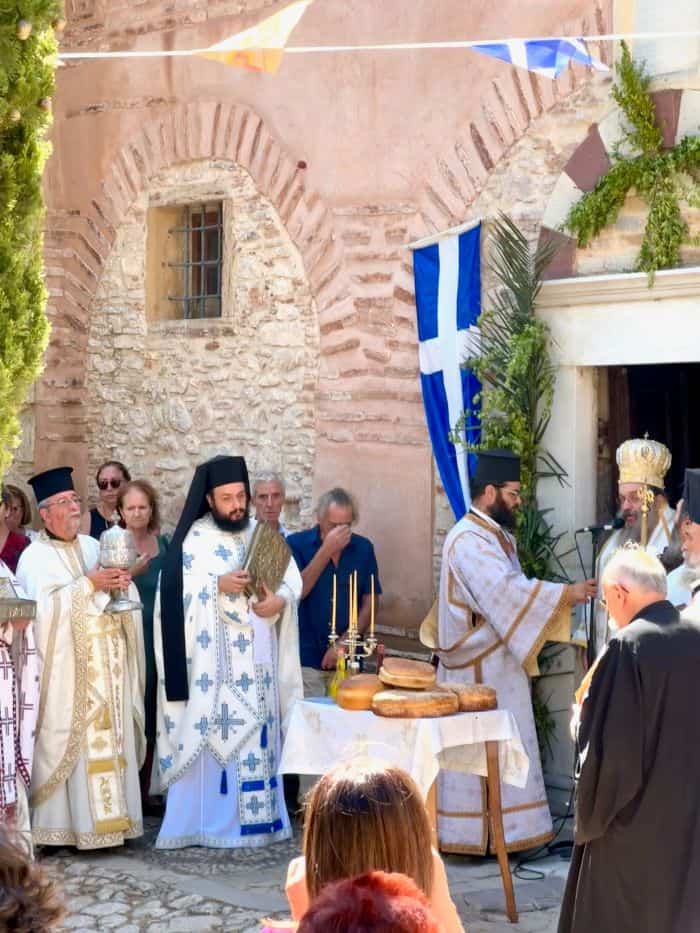
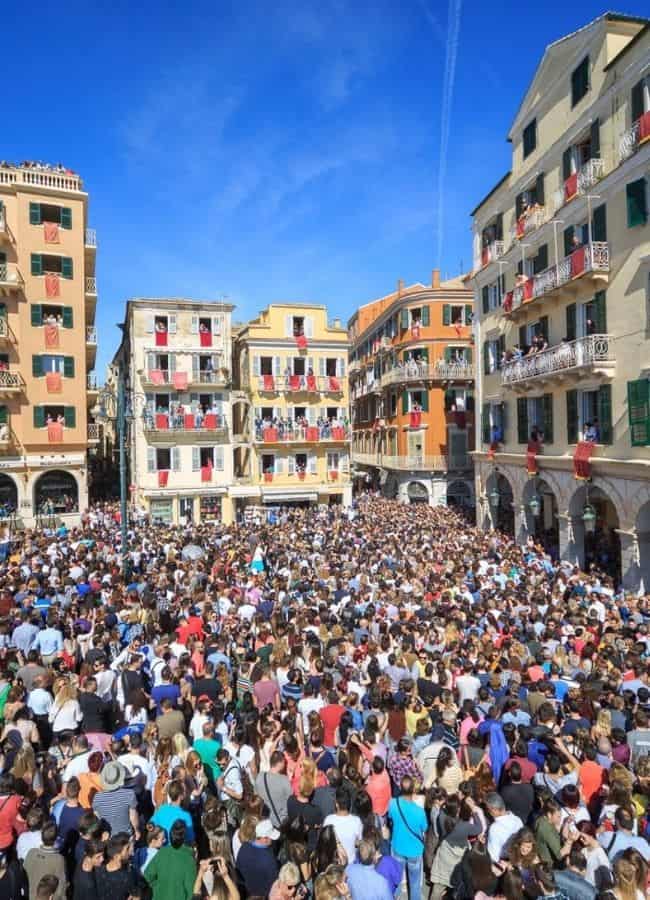
You notice it in the small details first. Multi-generational families gather in cafés long after midnight. Neighbours treat each other like extended relatives. Festivals, even in tiny villages, draw everyone into a shared celebration that can roll on until sunrise. Coffee is not a drink; it is a social event. Meals are not timed; they are experienced. Arguments sound heated, but usually end in laughter. Churches sit at the heart of communities, even for people who rarely attend services, and customs like name days and afternoon quiet hours still quietly shape everyday life.
Greece manages to feel both ancient and modern, traditional and restless, familiar and unpredictable.
It is not curated for visitors, and it does not tone itself down. Instead, it offers culture as it actually is: layered, communal, humorous, emotional and deeply tied to land, history and identity.
Most travellers arrive with postcard images and leave understanding something far richer, because Greek culture is not something you observe from a distance. It pulls you in, sits you at the table, hands you a plate and tells you a story.
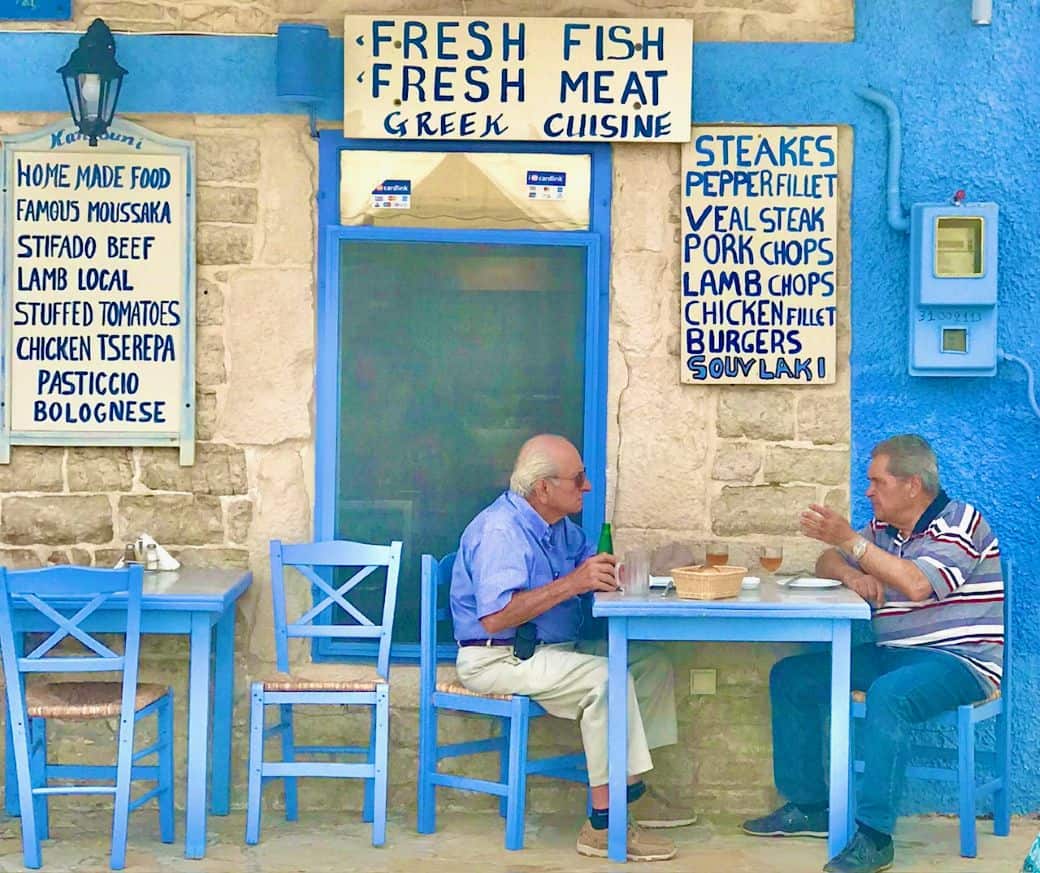
What to expect from:
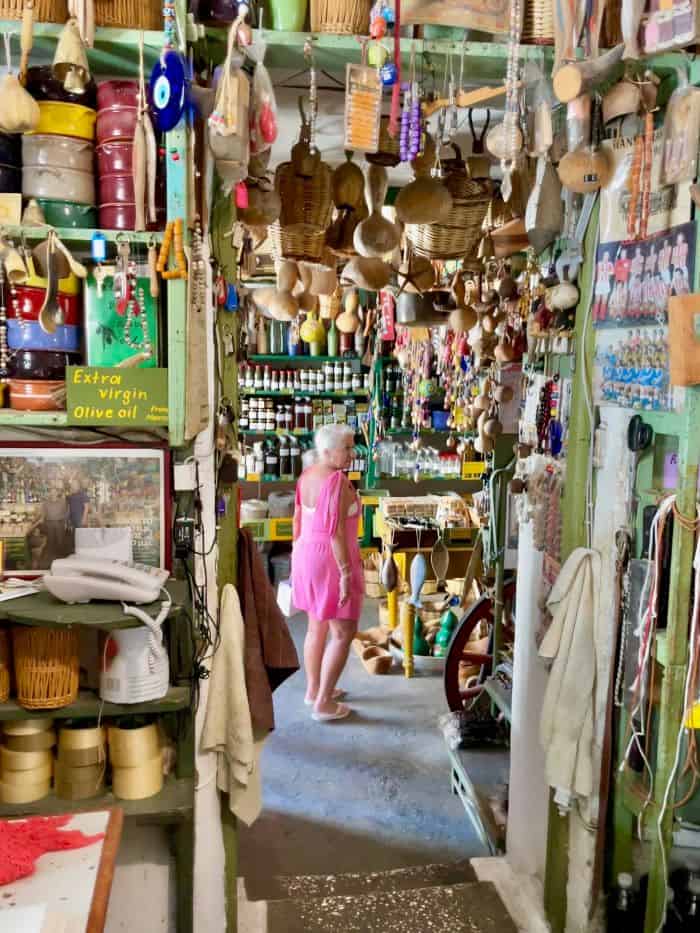
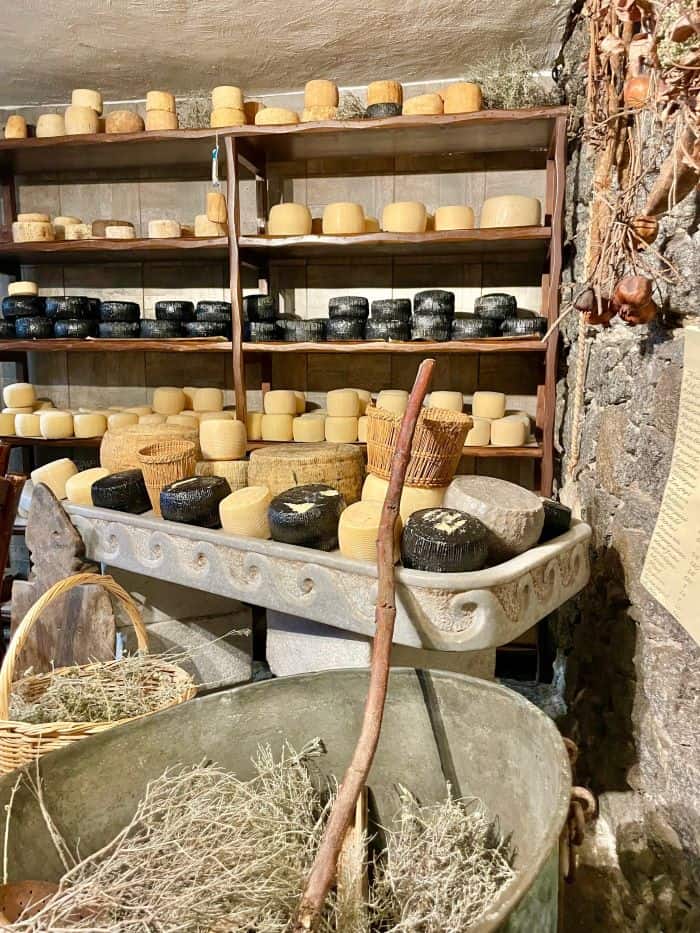
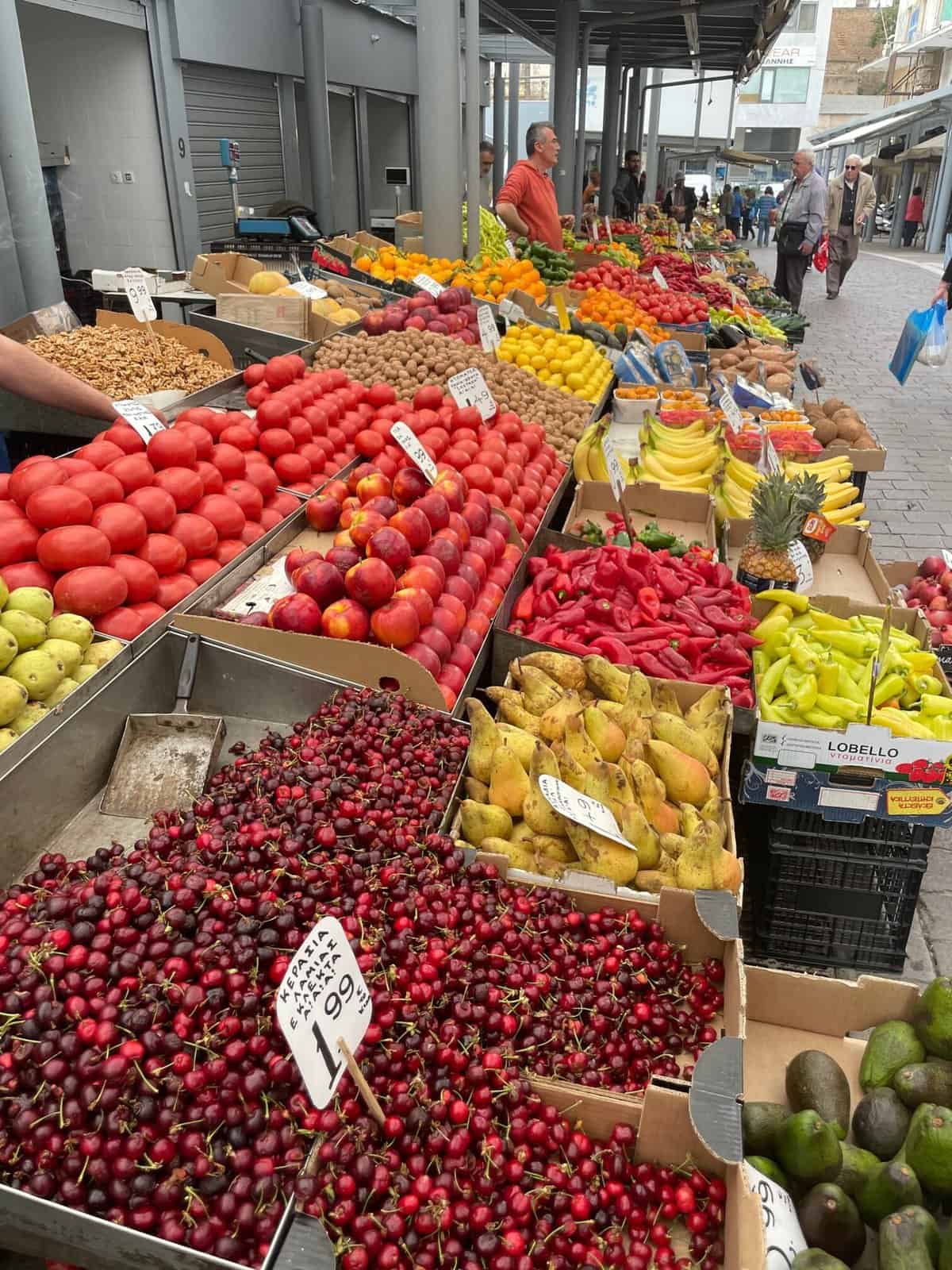
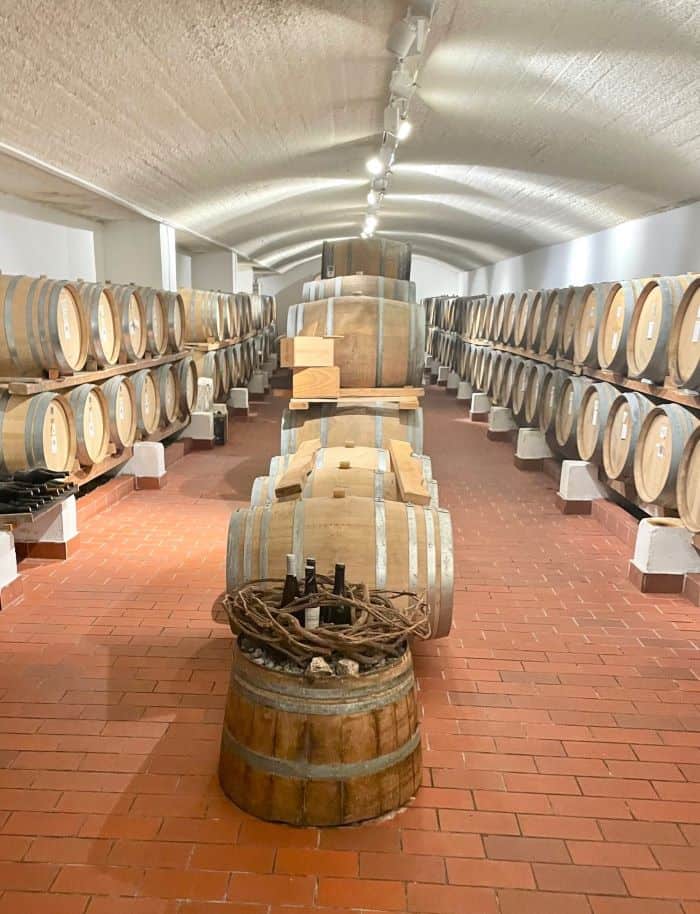
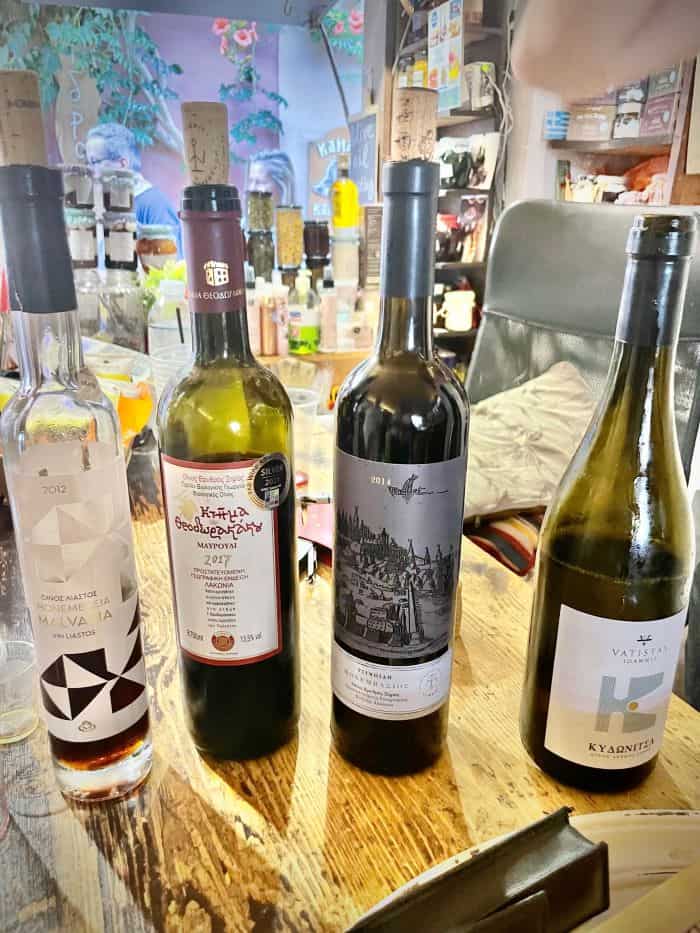
Greek food
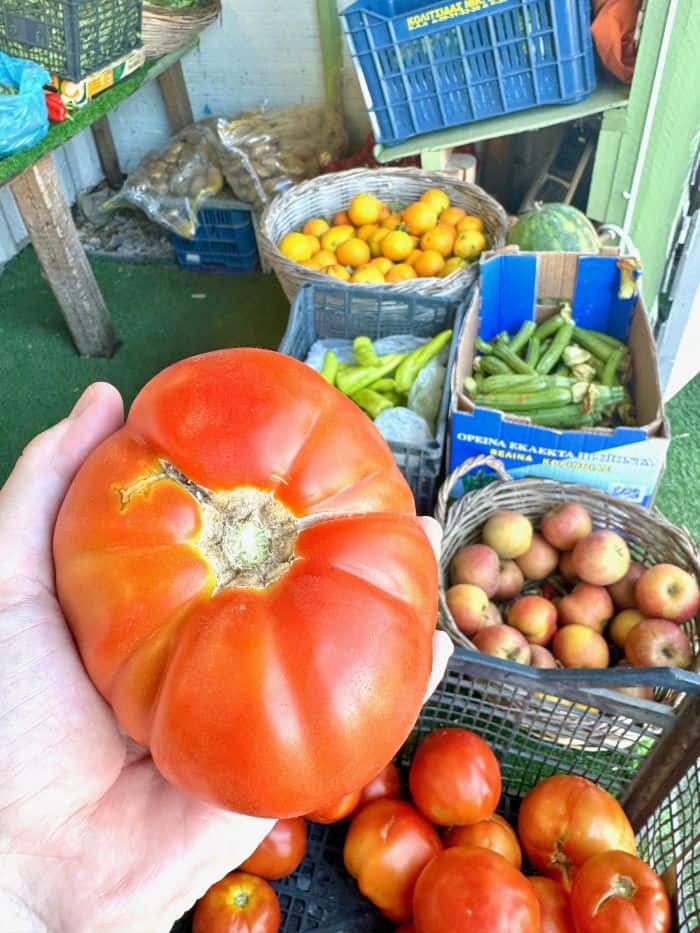
• Generous portions, fresh local produce, and simple dishes packed with flavour
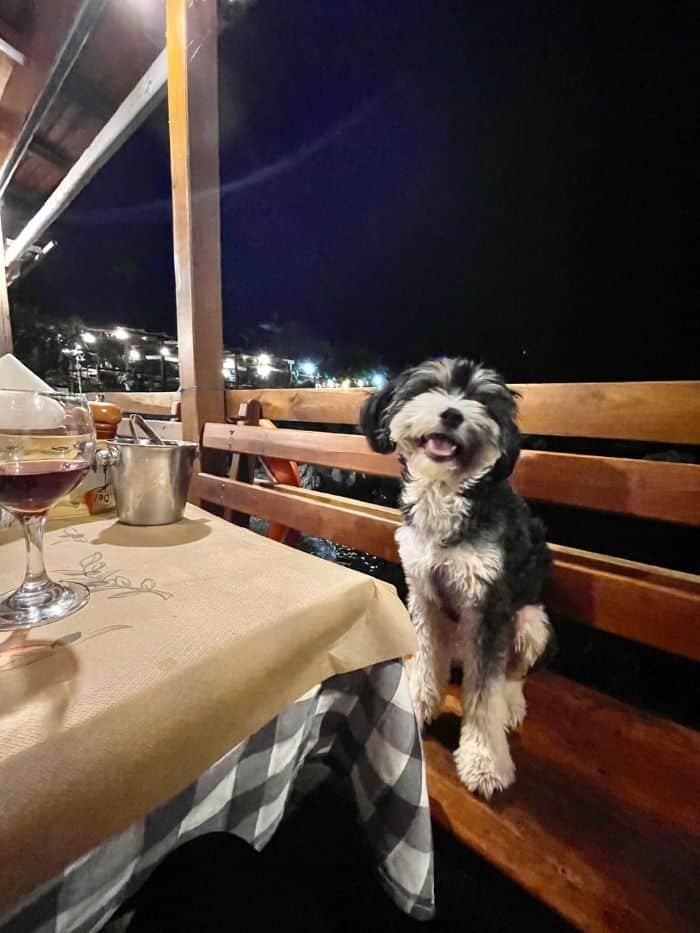
• Long meals where no one rushes you to leave, ever
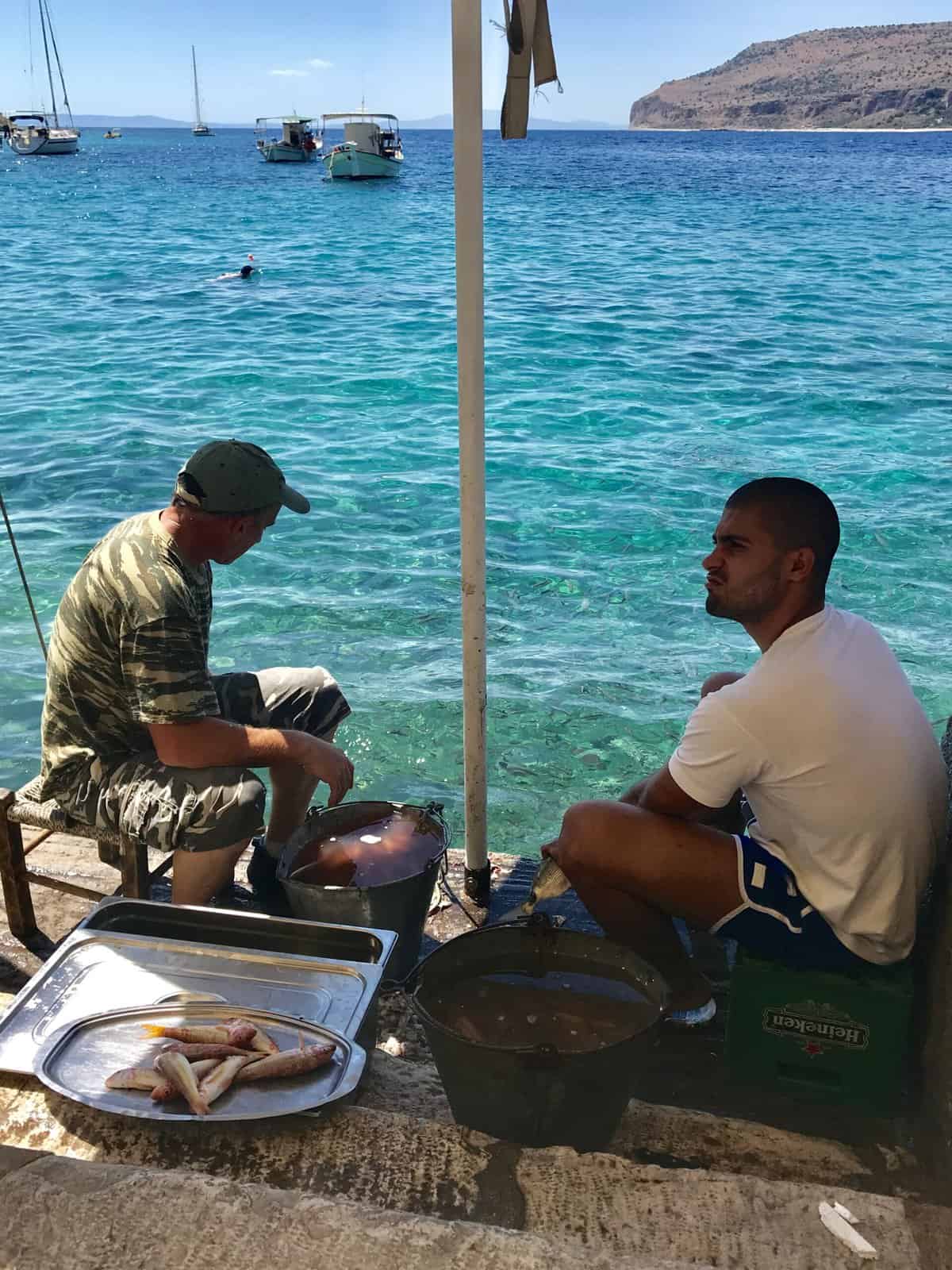
• Seafood on the islands, meat and pies in the mountains, and olive oil everywhere
• Prices vary by island and season, but quality is consistently high
Greek music
• A mix of traditional folk, island tunes, bouzouki classics and modern pop
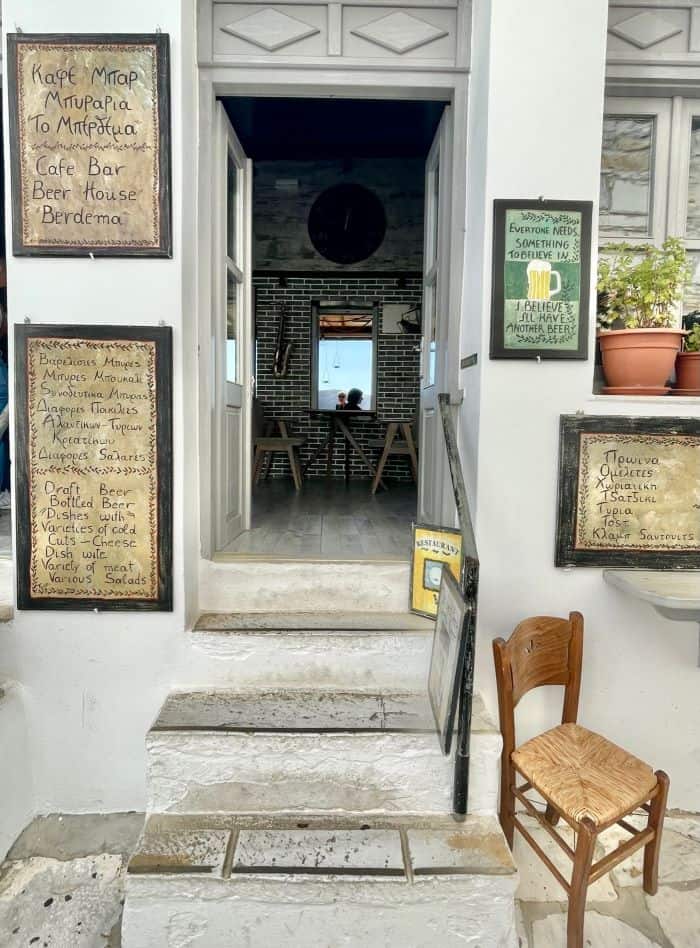
• Live music in tavernas, especially on weekends
• Songs that often tell stories of love, loss or sheer joy
• People may sing along loudly, and no one will blink
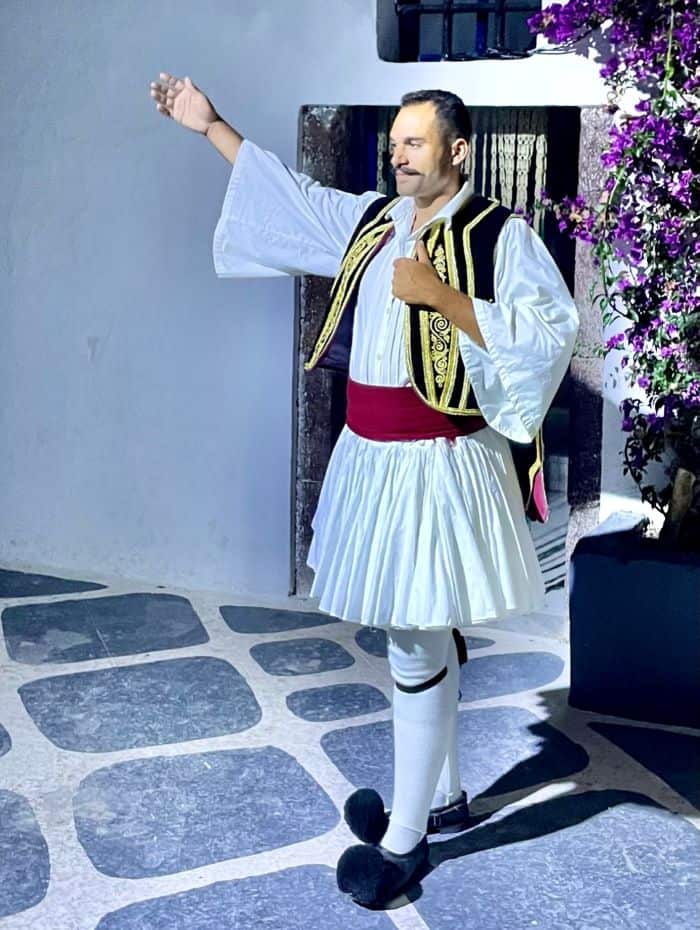
Greek dancing
• Circle dances that anyone can join, even if you have no rhythm
• Spontaneous dancing at festivals and family gatherings
• Steps that look harder than they are, and locals are happy to teach you
• A strong sense of community and collective celebration
Festivals ( Paniyiri)
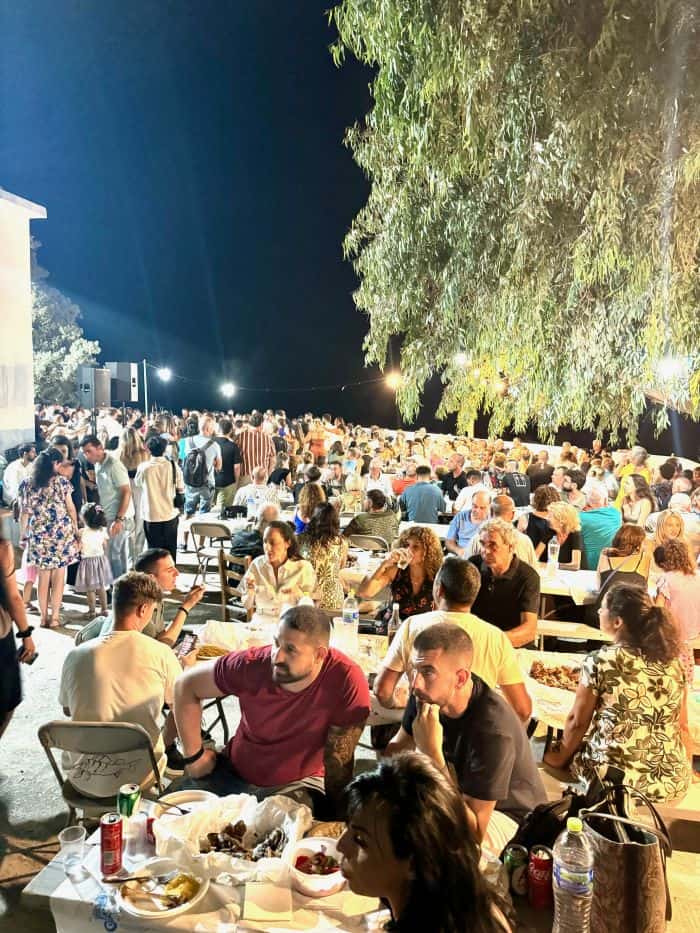
• Late night events with food, music and dancing that can last until sunrise
• Entire villages turning out, including kids, grandparents and visitors
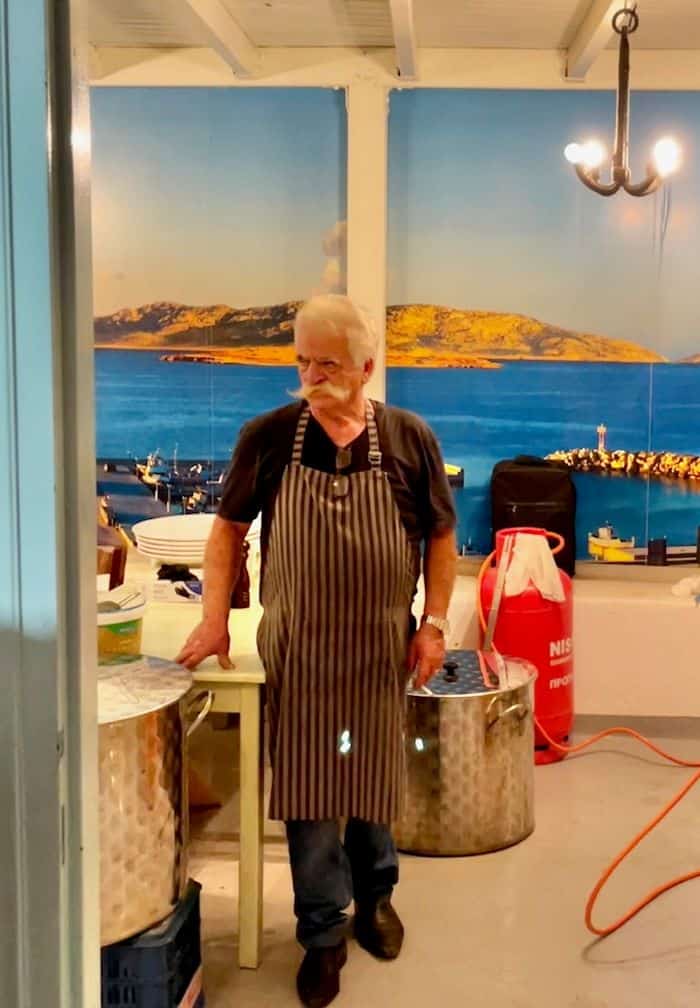
• Traditional dishes cooked in enormous quantities
• A welcoming atmosphere where outsiders are encouraged to join in
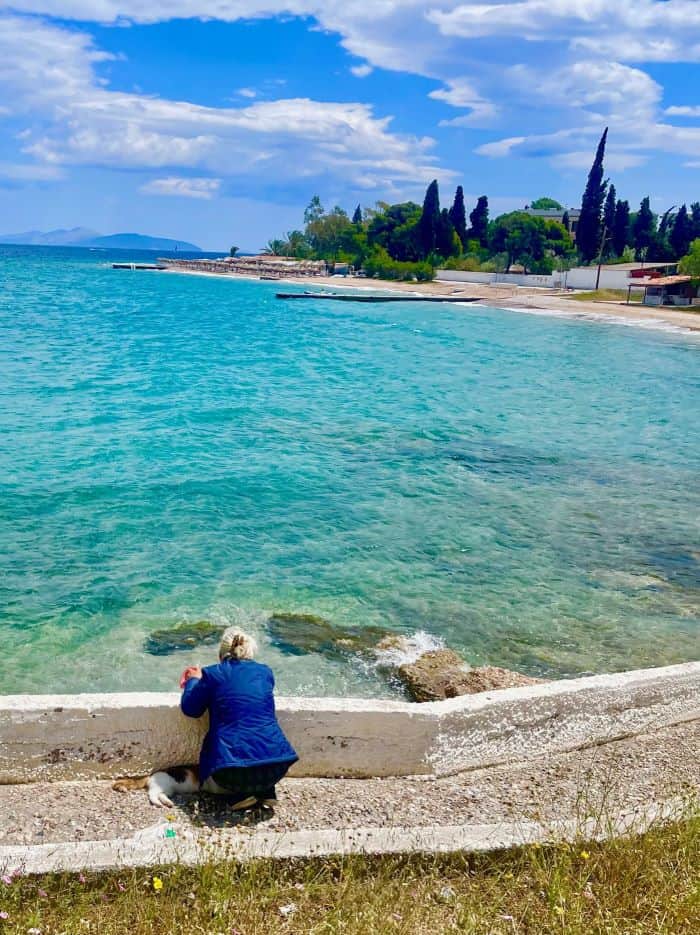
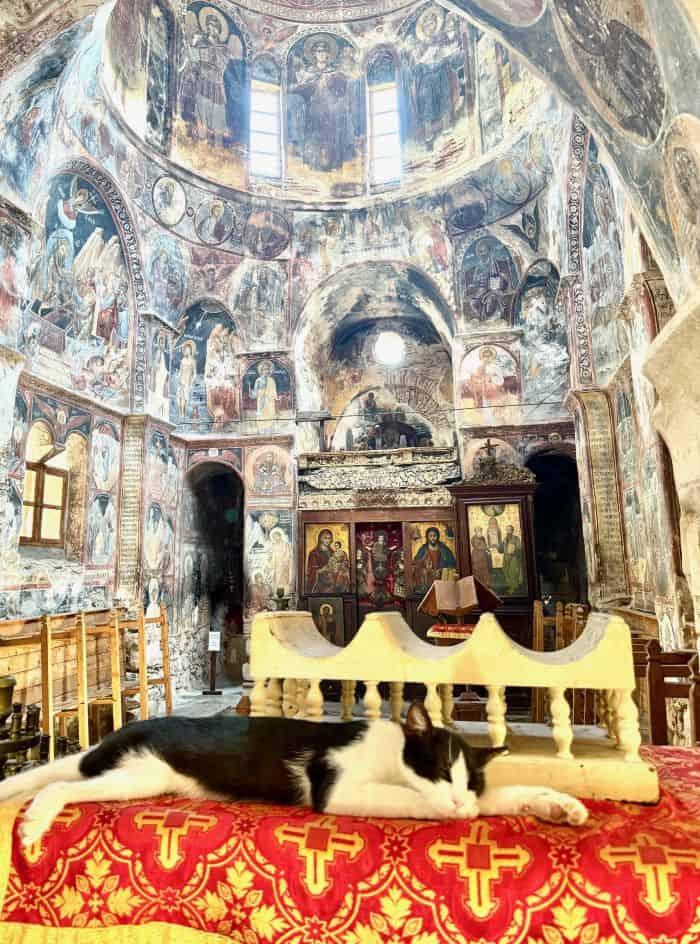
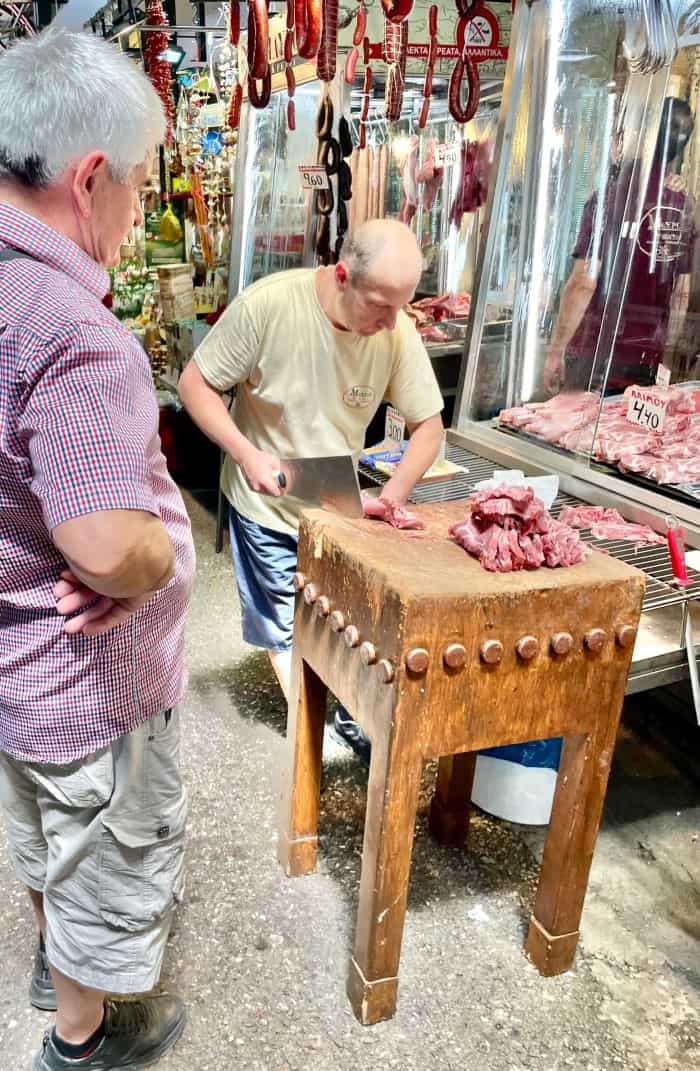
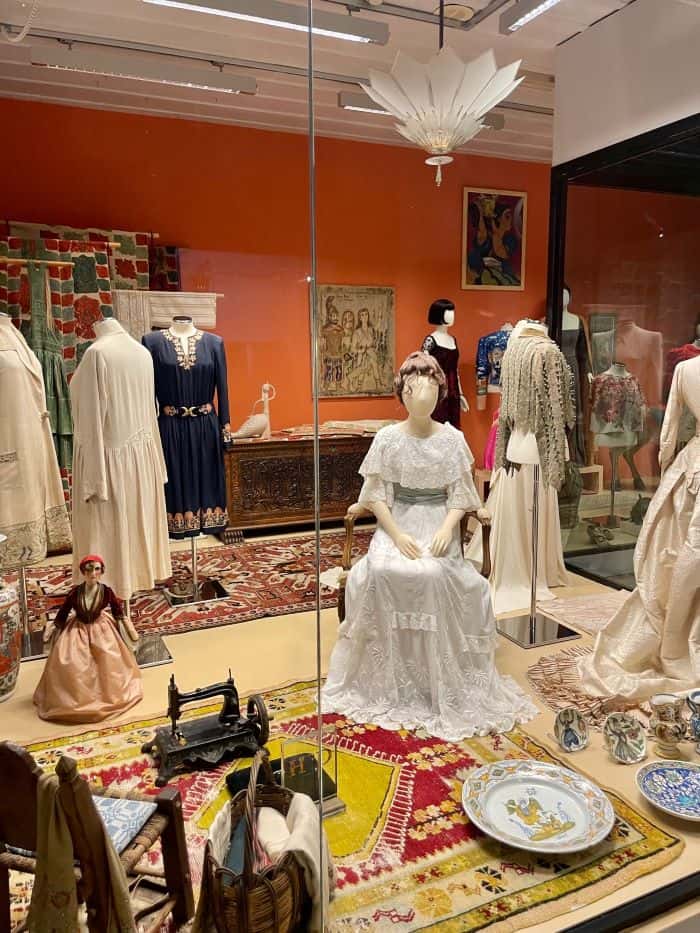
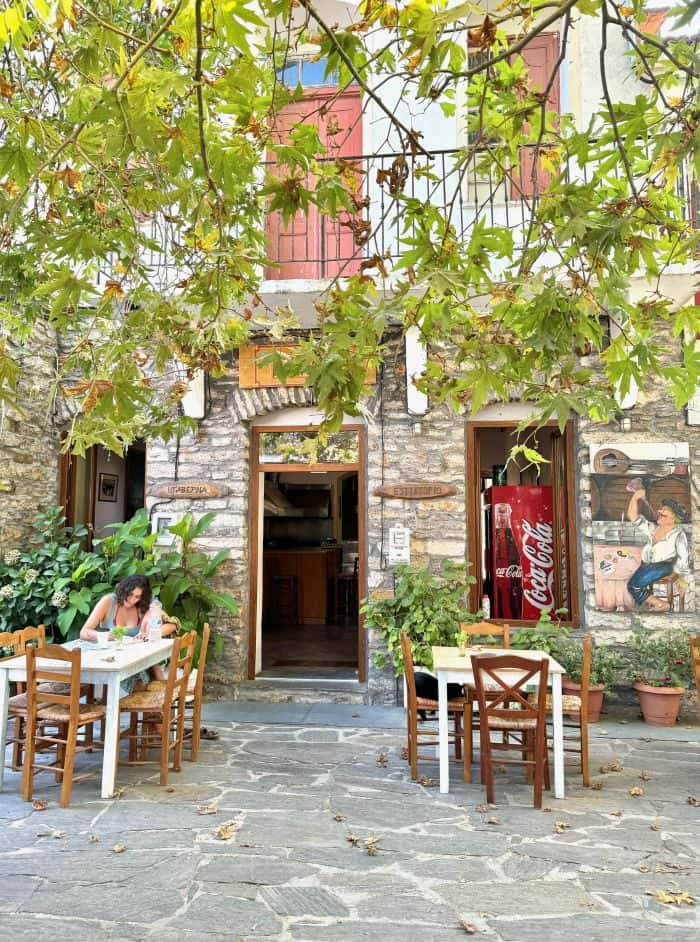
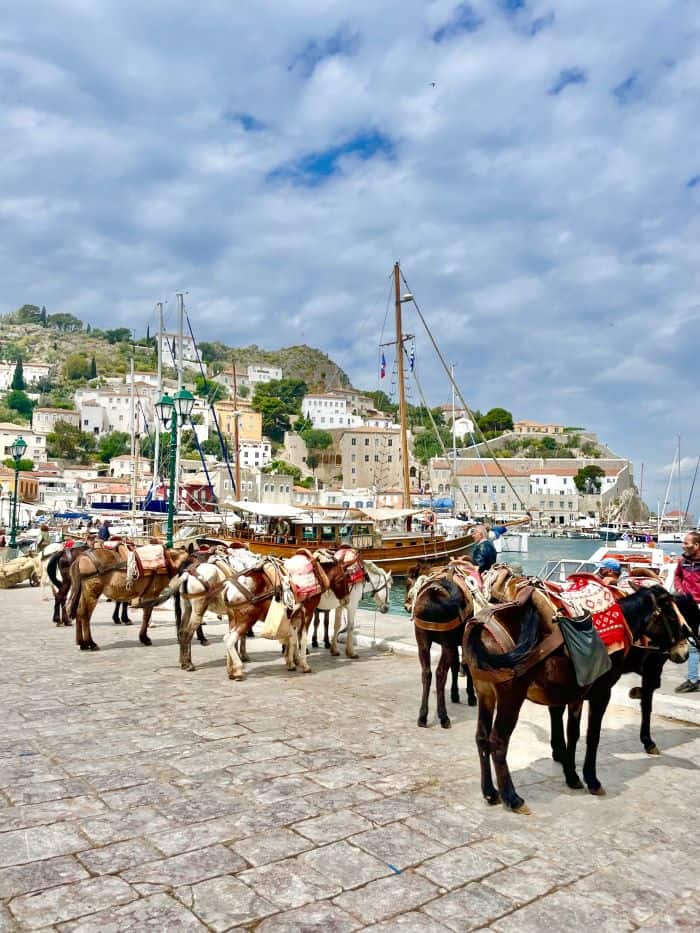

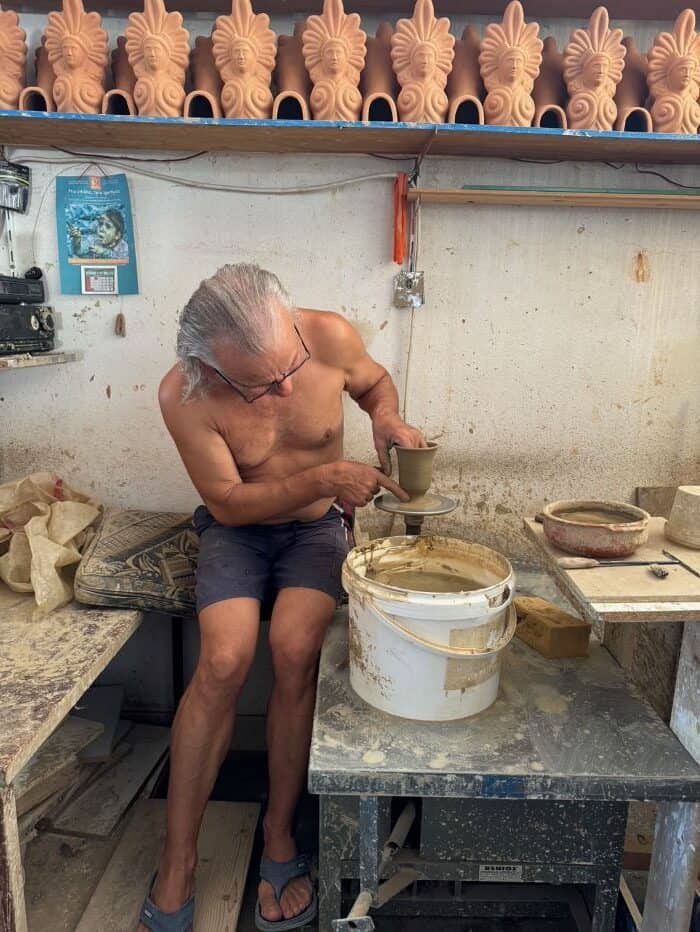





What to expect from:
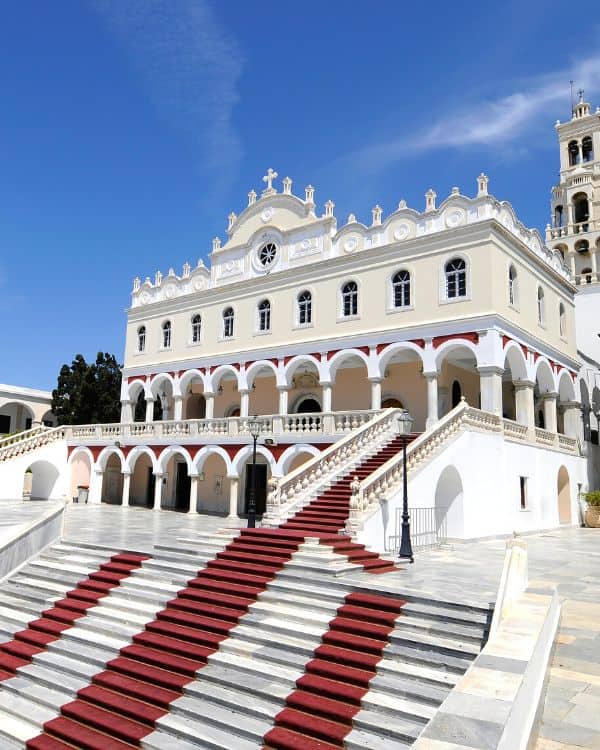
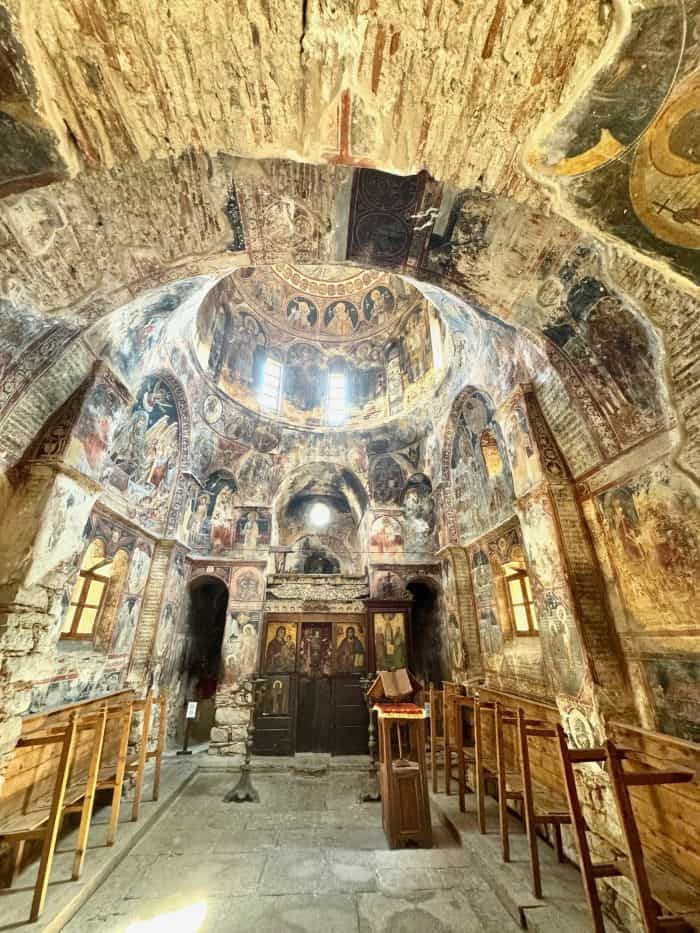
Religion
lANGUAGE
• Direct communication, with plenty of humour and hand gestures
• English is spoken widely in tourist areas but less in rural regions
• A few Greek words, even poorly pronounced, instantly earn goodwill
• Locals speaking quickly and loudly, which is passion, not aggression
Family Life
• Strong multi-generational involvement in day-to-day decisions
• Family gatherings that revolve around food and run for hours
• Opinions offered freely, whether requested or not
• A sense of community that often extends to neighbours and close friends
Customs & Etiquette
• Handshakes or cheek kisses, depending on how well you know someone
• Name days are celebrated with the same enthusiasm as birthdays
• A relaxed approach to timing but a serious respect for hospitality
• Small courtesies, such as accepting offered food or drink, are seen as polite and appreciated
